The use of thyroid supplement is pervasive in athletic horses, although its effects on measures of performance are not known. This study sought to determine whether supra-physiologic doses of levothyroxine affect the velocities at which blood lactate was greater than 4 mmol/L (VLa4) and heart rate was over 150 (V150) and 200 (V200) beats per minute, respectively. Additionally, a survey of post-race blood samples was also conducted to determine whether high thyroxine concentrations were common in racehorses.
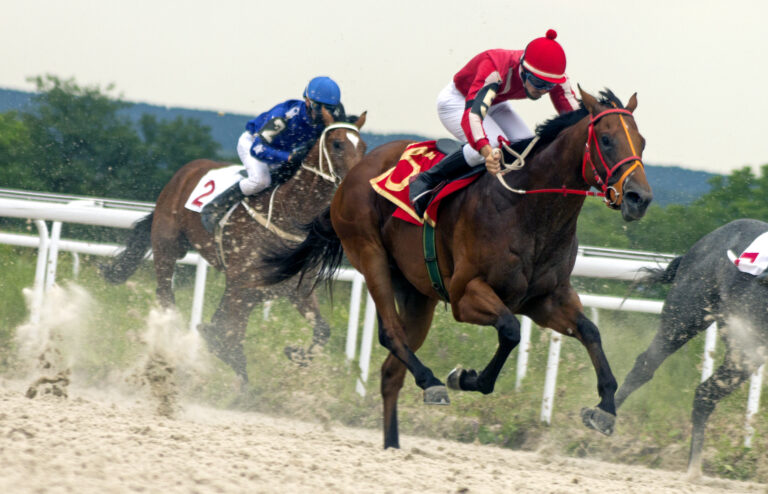
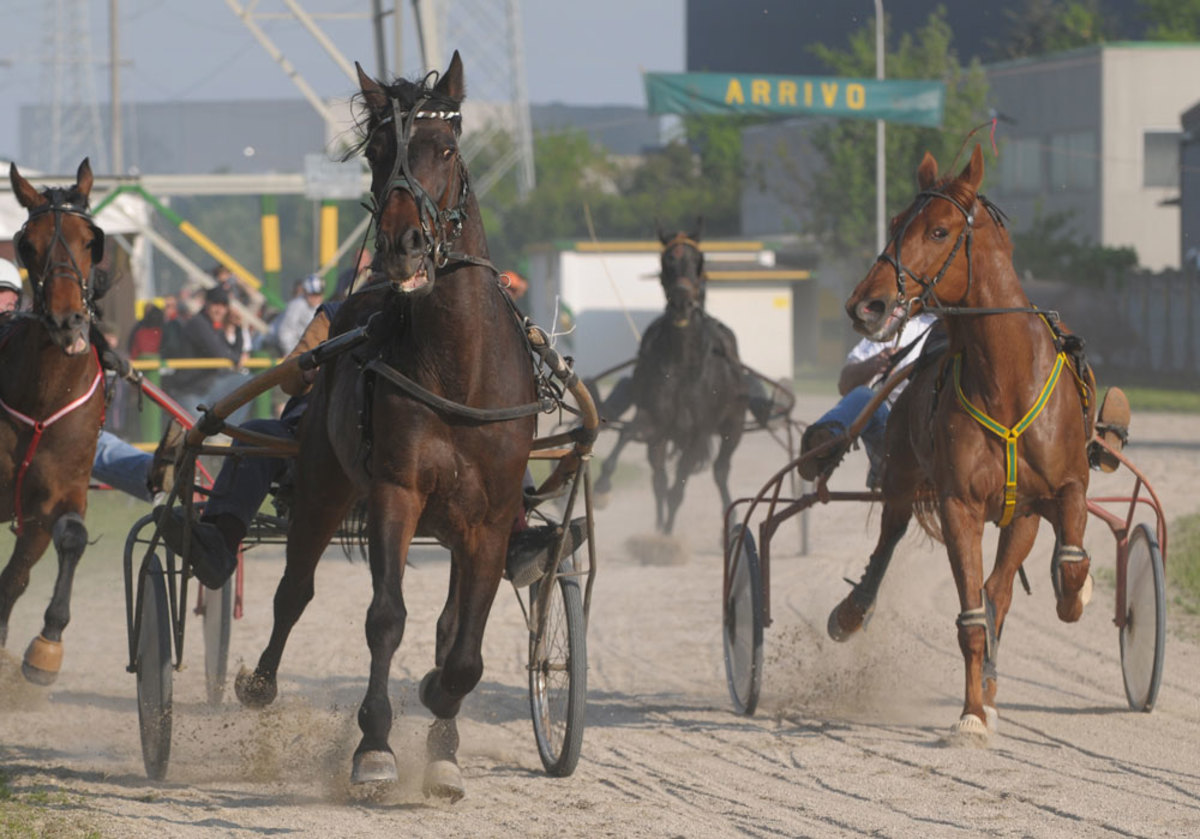
First, T4 concentrations were determined in 50 post-race blood samples taken at a single Standardbred meet. Second, six healthy Standardbred racehorses were trained to fitness and randomized to one of three treatments: carrier, 0.1 mg/kg thyroxine or 0.25 mg/kg thyroxine for 2 weeks. Horses completed a standardized exercise treadmill test (SET) to fatigue on the last day of treatment. Serum free and total thyroxine and triiodothyronine were determined on the day of SET testing. Blood lactate and ECG data were collected during the SET at 6, 8, 10, 11, and 12 m/s and during recovery. The effect of treatment and SET on heart rate and blood lactate was examined
The median T4 value in the post-race blood samples was 2.00 ug/dL (reference range 1.5-4.5 ug/dL). The study showed that 3/50 horses (6%) had concentrations above the reference range and 8/50 (16%) had concentrations below the reference range.
Levothyroxine at 0.25 mg/kg resulted in higher heart rates during SET (199 ± 30, 223 ± 17 and 239 ± 9 bpm at 6, 8 and 10 m/s respectively) and recovery (144 ± 20 and 119 ± 15 at 5 and 15 min) as compared to placebo (176 ± 18, 203 ± 10 and 219 ± 6 beats/min at 6, 8 and 10 m/s and 126 ± 5, 102 ± 11 at 5–15 minutes, respectively).
Three of six horses developed cardiac arrhythmias, including atrial fibrillation.
Bottom Line: Supra-physiologic thyroxine supplementation caused a decreased V200 during a standard exercise test and might result in cardiac arrhythmias.
This research was titled “A randomised, controlled trial to determine the effect of levothyroxine on Standardbred racehorses” was authored by Kritchevsky, J.; Olave, C.; Tinkler, S.; Tropf, M.; Ivester, K.; Forsythe, L.; and Couetil L.
You can access this research here.
![[Aggregator] Downloaded image for imported item #18386](https://s3.amazonaws.com/wp-s3-equimanagement.com/wp-content/uploads/2025/09/30141347/EDCC-Unbranded-12-scaled-1-768x512.jpeg)