Kentucky Nocardioform Placentitis

The Kentucky Veterinary Diagnostic Laboratory released information due to a rash of Nocardioform placentitis cases in horses.

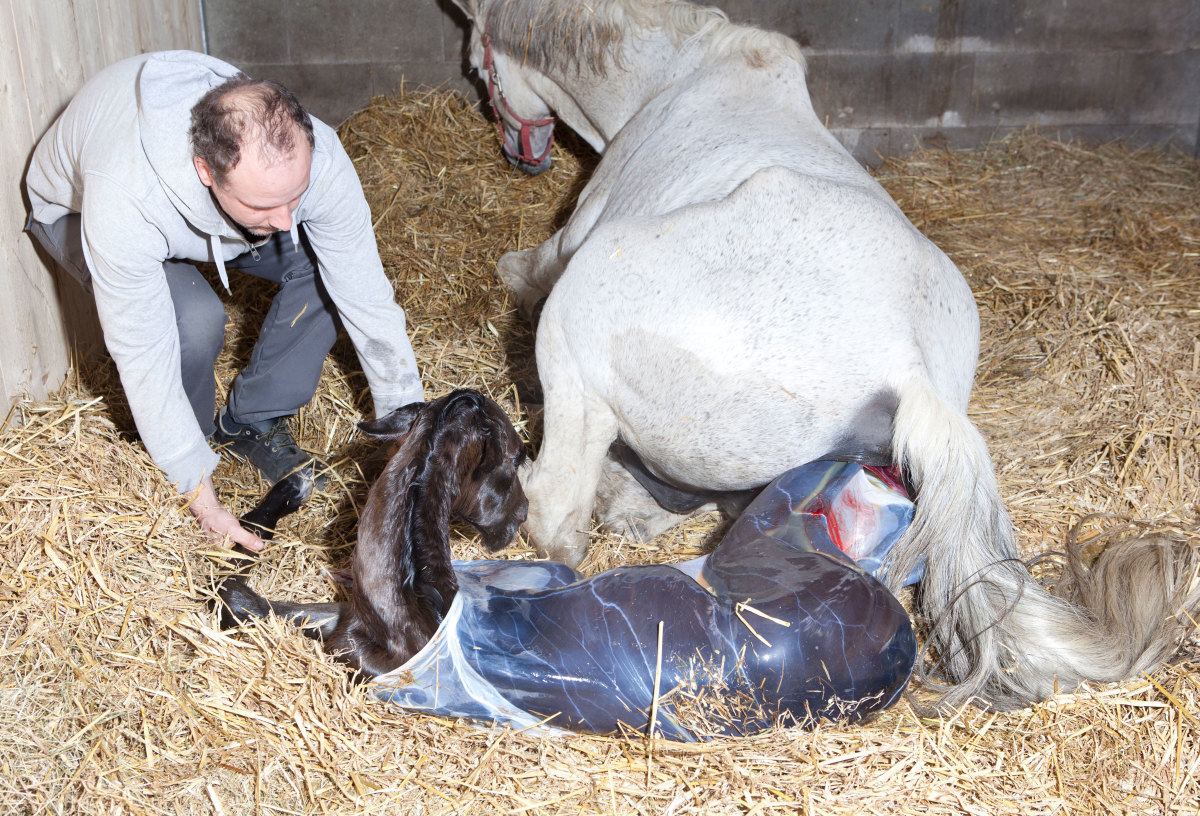
Nocardioform placentitis can cause late-term fetal loss instead of the mare producing a healthy foal. iStock/Purple Queue

The following was released by Craig N. Carter, DVM, MS PhD, DACVPM, Director & Professor, Epidemiology, Veterinary Diagnostic Laboratory, University of Kentucky:

Inasmuch as we are having a rash of Nocardioform placentitis (NP) cases in Kentucky horses, Dr. Jackie Smith, our epidemiologist, has added some new monitoring on our web site—please see the equine abortion gauges on our home page and our near-real time NP distribution map and graph for the 2019-2020 reproductive season.

See that information here.
Kentucky Veterinary Diagnostic Laboratory

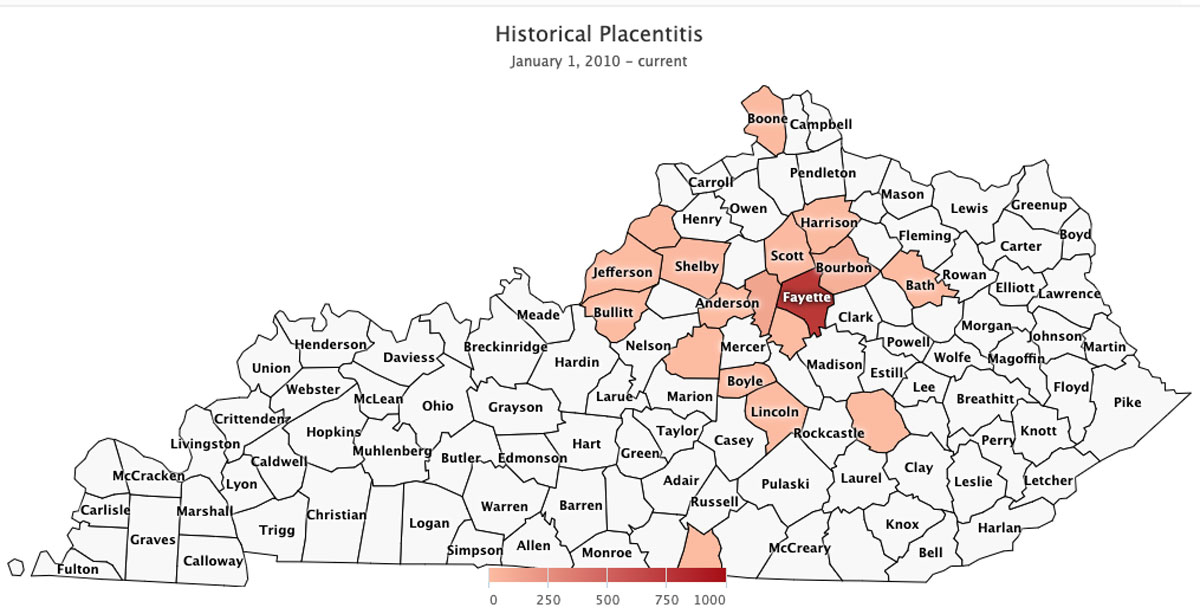
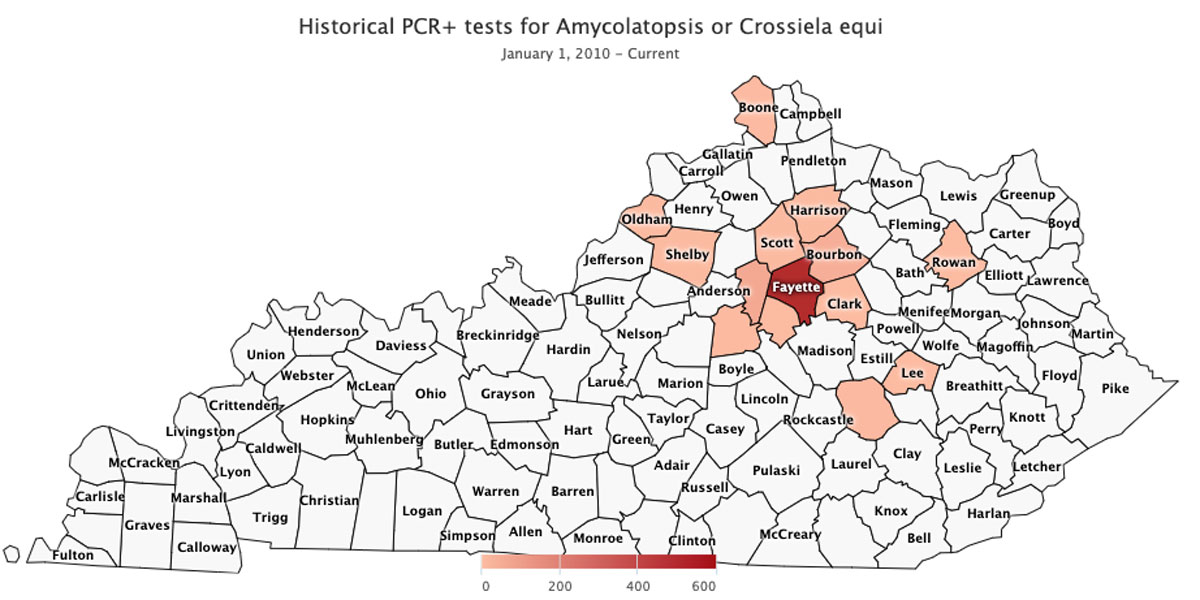
We have also been receiving requests for a historical picture of NP going back to 2010. Please follow the link below to see a summary map of all the equine bacterial placentitis cases going back to 2010 followed by a map of our positive PCR Amycolatopsis and/or Crossiela cases. In cases where the foal has been treated with antibiotics, we feel that we are not always detecting these agents.

See that information here.
Kentucky Veterinary Diagnostic Laboratory

As you can see, equine placentitis is a fairly common diagnosis each year. However, Anycolatopsis/Crossiela identifications are usually background noise with surges like we are seeing now every five years or so, often associated with drought periods.

We are meeting to discuss a funded initiative to increase our surveillance for NP in the Bluegrass region—we will keep you informed!

categories
tags
Trending Articles
Zomedica BI
New Collaboration Expands Point-of-Care PPID Diagnostics
Horse Twitch
Researchers Assess Horses’ Responses to Lip Twitching
US health policy , healthcare fund , medical research and development
The Business of Practice: What Current Economic Indicators Mean for Veterinarians
Derazil 3: Veterinarian cleaning and sterilizing granulating wound on hind leg of thoroughbred horse with iodine
Early Career Insights: How Equine Vets Can Develop Foundational Skills
Newsletter
Get the best from EquiManagement delivered straight to your inbox once a week! Topics include horse care, disease alerts, and vet practitioner updates.

"*" indicates required fields

This field is for validation purposes and should be left unchanged.
Name*
Country*

Additional Offers

Untitled
EquiManagement
Privacy Overview

This website uses cookies so that we can provide you with the best user experience possible. Cookie information is stored in your browser and performs functions such as recognising you when you return to our website and helping our team to understand which sections of the website you find most interesting and useful.