The U.S. Food and Drug Administration recently issued warning letters to Neogen Corporation and Sciarra Aeromed, Inc., following an investigation that linked a veterinary wound care product labeled as sterile, Neogen Vet HYCOAT (hyaluronate sodium sterile solution), to serious infections and deaths in horses. This incident involved at least 20 horse deaths, making it the largest number of horse deaths ever associated with a quality defect in an FDA-regulated veterinary medical product and the most deaths of any animal species linked to microbiological contamination of an FDA-regulated product labeled as sterile. Neogen initiated a voluntary recall of HYCOAT in late January 2026.
Total fatalities reflect only those deaths reported to the FDA. The total number of affected horses only includes cases reported to the FDA with sufficient identification to confirm each as a unique case. To date, the FDA has not been informed of the final case outcome for many of the injured horses.
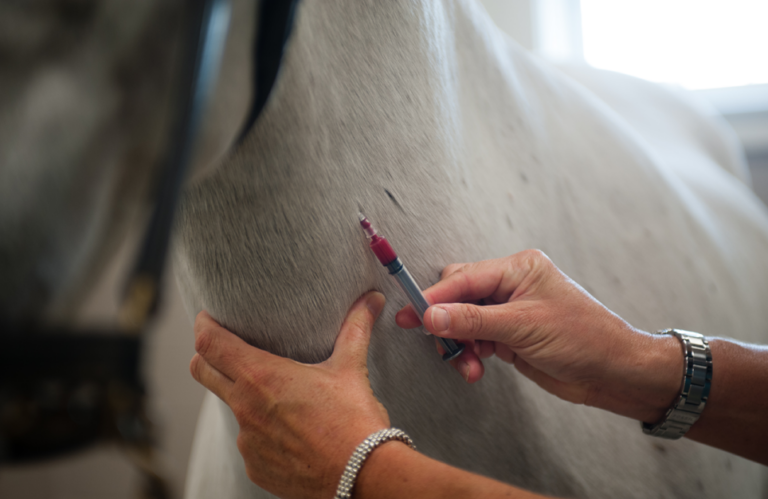
HYCOAT is marketed by the firm as a veterinary device and is labeled as a sterile topical wound management solution intended for use on surgical wounds, burns, and similar conditions. HYCOAT is packaged in a glass vial with a septum top, the same style of packaging commonly used for sterile injectable drugs. Beginning in late 2025, the FDA received reports from veterinarians who used this product as an injection.
Although the product’s label describes it as a sterile solution, the FDA’s testing found contamination with multiple fungi, including Purpureocillium lilacinum, Paraisaria heteropoda, Gongronella lacrispora, Purpureocillium sodanum, and Isaria takamizusanensis. Injecting a fungus-contaminated solution poses a significant risk to the animal. Fungi introduced into a joint can cause infection, tissue destruction, and systemic illness. Tragically, nearly 100 horses developed serious joint infections following administration of this product, and at least 20 horses were humanely euthanized after unsuccessful treatment of the infections. Purpureocillium lilacinum, one of the fungi identified in the product, is particularly resistant to antifungal drugs, making infections caused by this organism especially difficult to treat.
Even when applied topically to wounds, as stated on the product label, a contaminated product labeled as sterile poses serious risks. Microorganisms introduced to an open wound can enter the bloodstream, potentially causing infection, cellulitis, tissue necrosis, and life-threatening sepsis.
The FDA’s investigation into the contamination and associated injuries was extensive. The agency reviewed epidemiological and clinical evidence, collected and tested product samples, and conducted an inspection of the manufacturing facility. The inspection revealed serious violations, including the manufacture of products labeled as sterile in a facility with insanitary conditions.
This incident underscores the importance of reporting adverse events associated with veterinary products. Neogen was marketing this product as an animal device and did not proactively report adverse events to the FDA. As a result, the agency was unaware of the emerging problem until veterinarians began contacting the FDA directly. Those voluntary reports from veterinarians were essential to triggering the FDA’s investigation.
The FDA encourages companies, veterinarians, and animal owners to report adverse events and product quality concerns for any veterinary product, regardless of whether the product is FDA-approved or used as directed. Every report matters. The sooner the FDA receives information about a potential safety issue, the sooner the agency can investigate and alert the public. For more information about the reporting process, visit: How to Report Animal Drug and Device Side Effects and Product Problems.
Additional Information
- Warning Letter: Neogen Corporation
- Warning Letter: Sciarra Aeromed, Inc.
- Neogen January 2026 recall announcement: Neogen Issues Voluntary Nationwide Recall of Neogen® Vet HYCOAT® Hyaluronate Sodium Sterile Solution
Stay in the know! Sign up for EquiManagement’s FREE weekly newsletters to get the latest equine research, disease alerts, and vet practice updates delivered straight to your inbox.