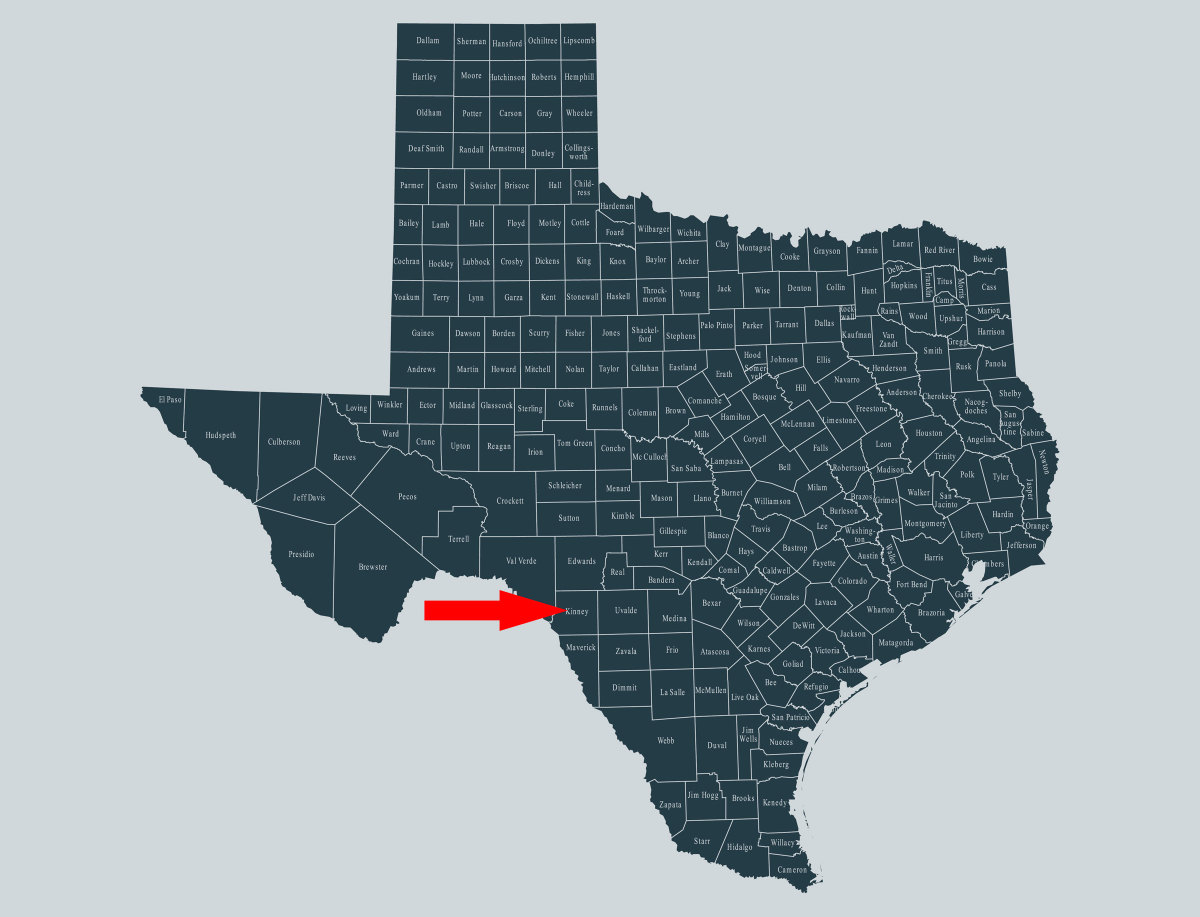
Vesicular stomatitis virus (VSV) was confirmed in horses on a Kinney County, Texas, premises on June 21, 2019. The National Veterinary Services Laboratories (NVSL) confirmed the virus as the Indiana serotype.
The horses were tested after the owner observed lesions on the horses’ muzzles and contacted a veterinary practitioner. TAHC has quarantined the premises, and there is no known exposure to other horses. The quarantine period for premises with suspect or confirmed VSV cases is 14 days from the onset of lesions in the last affected animal on the premises.
No other cases of VSV have been identified in the immediate area or elsewhere in the state.
VSV can cause blisters and sores in the mouth and on the tongue, muzzle, teats or hooves of horses, cattle, swine, sheep, goats, llamas and a number of other animals. Lesions usually will heal in two or three weeks.
Because of the contagious nature of VSV and its resemblance to other diseases such as foot and mouth disease (FMD), animal health officials urge livestock owners and caretakers to report any of these clinical signs to their veterinarians immediately.
Most animals recover with supportive care by a veterinarian.
“Known competent vectors for transmission of VSV include black flies, sand flies and biting midges,” said Dr. Andy Schwartz, Texas Animal Health Commission (TAHC) executive director. “Livestock owners should implement best practices to limit livestock exposure to insects.”
Some states and other countries might restrict movement of—or impose additional requirements for—susceptible animals from states having known cases of VSV. Before moving livestock, contact the state of destination for its requirements. For Texas export information, contact the USDA Veterinary Services in the Austin office at 301-851-3300 option 2.
“If you suspect your animal has VSV, notify your private veterinarian immediately,” said Schwartz. “VSV is not highly contagious to people, but it can cause flu-like illness if infected saliva gets into an open wound, eyes or mouth. People handling potentially infected animals should wear gloves for protection, and talk with a physician if they have questions.”
For more information from Texas about VSV visit the TAHC website.
A USDA APHIS-VS fact sheet about Vesicular Stomatitis is available at this website.
![[Aggregator] Downloaded image for imported item #19769](https://s3.amazonaws.com/wp-s3-equimanagement.com/wp-content/uploads/2026/05/31141823/EDCC-Unbranded-11-scaled-1-768x512.jpeg)