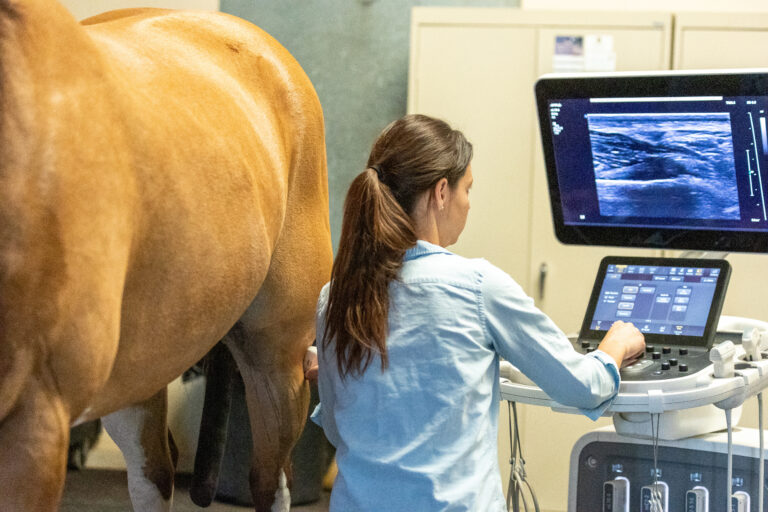
Multiple EIA Cases in Texas Horses

Equine infectious anemia (EIA) has been diagnosed in horses from McLennan, Wilson, and Ector Counties in Texas.

Equine infectious anemia (EIA) has been diagnosed in horses from McLennan, Wilson and Ector Counties in Texas. iStockPhotos.com

On July 13, 2018, Texas Animal Health Commission (TAHC) officials reported equine infectious anemia (EIA) in one McLennan County Quarter Horse. Since that time, two additional horses from the quarantined premises have been confirmed positive for EIA. 

On June 13, TAHC reported EIA in two Wilson County Quarter horses on one premises. Since that time, one additional horse from the quarantined premises has been confirmed positive for EIA. 

The positive horses have been euthanized. 

Lastly, TAHC officials confirmed EIA in one Ector County Quarter Horse.

The premises in McLennan, Wilson and Ector counties will remain under quarantine until requirements for release have been met. TAHC staff is working closely with owners and veterinarians to monitor potentially exposed horses and implement biosecurity measures.

categories
tags
Trending Articles
Jockey Breezing a Thoroughbred Race Horse for Exercise on a Sunny Day
Butyrate in the Gut Microbiota Might Enhance Equine Performance  
Derazil 3: Veterinarian cleaning and sterilizing granulating wound on hind leg of thoroughbred horse with iodine
Early Career Insights: How Equine Vets Can Develop Foundational Skills
Girl riding a horse
How to Plan a Ridden Rehabilitation Program for Horses
Maslow's hierarchy of needs
Understanding Maslow's Hierarchy of Needs
Newsletter
Get the best from EquiManagement delivered straight to your inbox once a week! Topics include horse care, disease alerts, and vet practitioner updates.

"*" indicates required fields

This field is for validation purposes and should be left unchanged.
Name*
Country*

Additional Offers

Untitled
EquiManagement
Privacy Overview

This website uses cookies so that we can provide you with the best user experience possible. Cookie information is stored in your browser and performs functions such as recognising you when you return to our website and helping our team to understand which sections of the website you find most interesting and useful.