UPDATE March 31, 2022: The horse identified as a clinical suspect from the EDCC on March 22 tested positive for wild-type EHV-1 on PCR. An additional 9 suspect horses exhibiting neurologic signs have been identified among the exposed horses at the quarantined facility. The facility remains under official quarantine. State animal health officials continue to monitor the situation. At this point, two horses have been confirmed with EHV-1, nine are suspected and 39 are exposed.
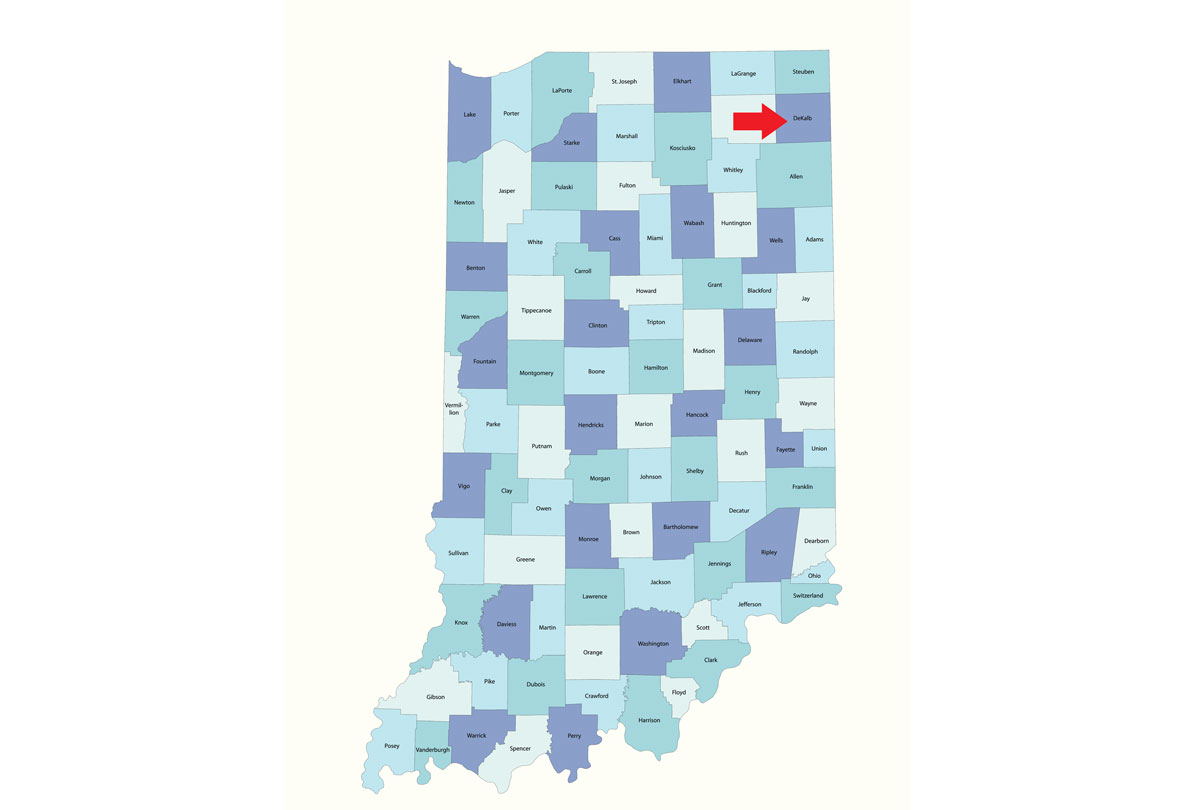
The Indiana State Board of Animal Health confirmed a positive case of equine herpesvirus type 1 (EHV-1) with neurologic signs in DeKalb County. One other horse on the premises is suspected and 39 others were exposed.
On March 21, a 20-year-old Quarter Horse mare displayed moderate neurologic signs and was confirmed positive for EHV-1. The mare has been quarantined and isolated at a facility in DeKalb County.
Allhorses on the premises have been quarantined and are being monitored twice daily for fever (temperature over 101.5° F) or other clinical signs of illness. An epidemiological investigation has been initiated. State animal health officials will continue to monitor the situation.
For more information about neurologic equine herpesvirus (also known as equine herpesvirus myeloencephalopathy or EHM), read this Fact Sheet.
Information for this report was provided by the Equine Disease Communication Center.
![[Aggregator] Downloaded image for imported item #19458](https://s3.amazonaws.com/wp-s3-equimanagement.com/wp-content/uploads/2026/03/09142618/EDCC-Unbranded-37-scaled-1-768x512.jpeg)