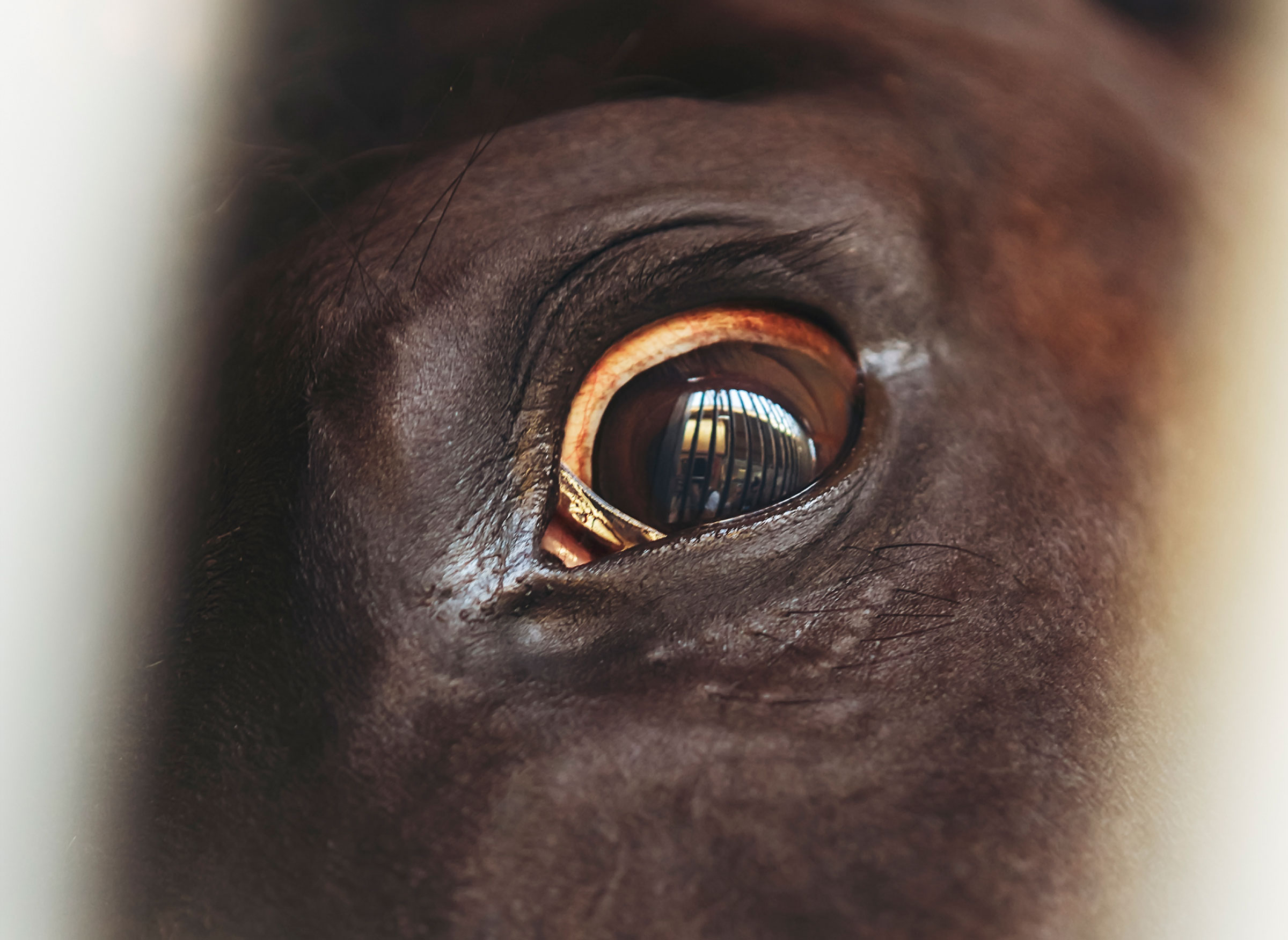
Comforting Handling During Equine Veterinary Procedures

Techniques meant to distract or comfort a stressed horse were effective in reducing problematic avoidance/stress responses in as simulated veterinary care scenario.

Trying to distract or comfort a horse that is scared makes the horse less dangerous and is more humane. iStockPhotos.com

Author’s note: Analysis of the effects of procedures and environmental stimulation on horse behavior is an important welfare topic in the equine industry. Relaxed and calm horses tend to be more tractable and willing to work with people, and not as readily provoked into displaying dangerous behaviors.

Another topic at the 2016 International Society for Equitation Science presented the use of non-confrontational methods of relieving a horse’s anxiety during aversive veterinary procedures [Watson, J.; McDonnell, S. Evaluation of the effectiveness of three non-confrontational handling techniques on the behavior of horses during a simulated mildly aversive veterinary procedure]. Techniques used included: 1) scratching the withers; 2) gentle rubbing of face and eyes; and 3) feeding grain. Use of these calming methods were compared to responses in control horses in which nothing was done.

The aversive procedure tested used electric sheep shears run close to the faces of 48 horses in the study. The study concluded, “Each of these three non-confrontational handling techniques meant to distract or comfort was effective in reducing problematic avoidance/stress responses in this simulated veterinary care scenario.” 

Which of these non-confrontational techniques one chooses to use depends on an individual horse’s response to a particular situation.
categories
tags
Trending Articles
[Aggregator] Downloaded image for imported item #18391
Oregon Horse Euthanized After Contracting Strangles
Foal love
Field Placement of Transphyseal Screws in Foals With ALDs
[Aggregator] Downloaded image for imported item #18782
8 Quarter Horses Test Positive for EIA in California
horse rolling
Preventing Strangulating Lipoma Colic: New Insights on Equine Risk Factors
Newsletter
Get the best from EquiManagement delivered straight to your inbox once a week! Topics include horse care, disease alerts, and vet practitioner updates.

"*" indicates required fields

This field is for validation purposes and should be left unchanged.
Name*
Country*

Additional Offers

Untitled
EquiManagement
Privacy Overview

This website uses cookies so that we can provide you with the best user experience possible. Cookie information is stored in your browser and performs functions such as recognising you when you return to our website and helping our team to understand which sections of the website you find most interesting and useful.