During a presentation at the 2025 American Association of Equine Practitioners convention, held in Denver, Colorado, I tackled the issue of affording the changes in equine practice that are necessary to continue attracting and retaining equine veterinarians in the industry. Multiple studies have shown the primary factors causing equine practitioners to leave equine practice include lifestyle and number of work hours, emergency on-call duty, low salaries and compensation, challenging work-life balance, and practice cultures. Practices have taken note, and many have adopted four-day workweeks, less frequent emergency duty, higher salaries, better benefits, flexible hours, and healthier practice cultures.
Unfortunately, each of these necessary new paradigms have the potential to decrease practice revenue production and profitability. To mitigate this result, I recommend that practices increase fees, expand their usage of staff, adopt scheduling efficiencies, embrace technology, modernize financial policies, consider new ways to offer emergency care, increase team engagement, and develop systems for management.
Raise Fees
As far as fees are concerned, judicious annual increases are generally warranted and essential to ensure we’re covering increases in the cost of providing professional services. Annual increases in fixed costs such as insurance, licensing fees, or utilities must also be covered through fee increases. However, passing these costs on to clients will simply keep the practice from falling behind; to cover the costs of new paradigms, we need to make additional changes.
Utilize Staff
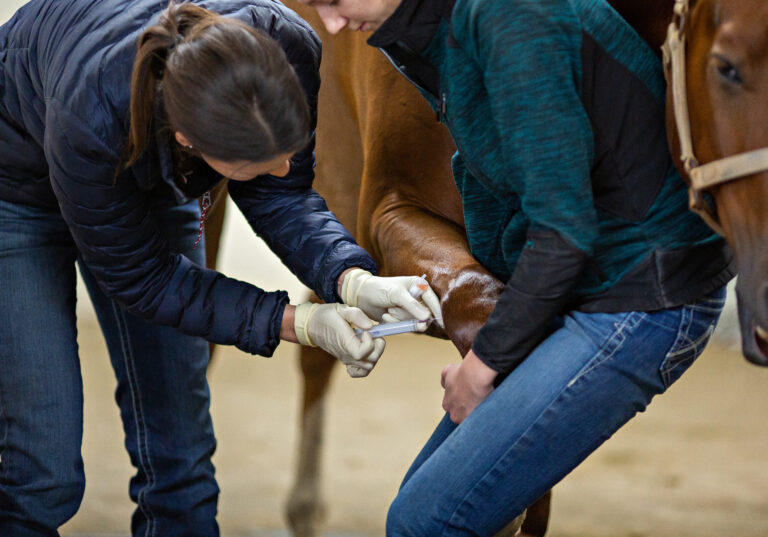
Hiring and fully utilizing staff for tasks not requiring a veterinarian is an important step. Equine practices lag far behind companion practices in total staff-to-veterinarian ratios—at almost 2:1 compared to nearly 4:1 for small animal practices. The companion animal sector has figured out the advantage of using technical staff to the top of their licenses. When veterinarians stick to doing work only veterinarians can do, revenue increases. Equine practices should aspire to delegate all nonveterinarian tasks to their staff.
Adopt Scheduling Efficiencies
Ambulatory practice is inefficient by nature, so finding ways to see more patients per day is critical in supporting the revenue needed for new paradigms. Geographically efficient appointment schedules can help in this regard. Most ambulatory practices try to have regular days in certain quadrants of the practice area to minimize wasted driving time. If a haul-in facility is available, scheduling can become much more efficient with clients trailering in for appointments. Some practices have adopted policies requiring most emergencies to be seen at the clinic. When providing ambulatory services to clients, it is important that trip charges account for the costs of operating, maintaining, and replacing veterinary vehicles, as well as the time spent driving.
Embrace Technology
Embracing technology is critical. From AI scribes that can create medical records while you talk through your exam to communication platforms that allow all team members to be synchronously fully informed, technology can significantly improve efficiency in practice. Even something as simple as learning how to fully use and maximize your practice management software can be remarkably helpful.
Modernize Financial Policies
In addition, instituting financial policies that prescribe payment at the time of service will markedly limit accounts receivable and eliminate the need for staff hours to create and distribute monthly invoices and statements, making collection more efficient.
Consider New Emergency Care Methods
Robust emergency fees can offset the loss of revenue from seeing fewer emergencies if alternative providers are used, and practitioners are often more productive when they have fewer emergency responsibilities. In larger practices, dedicated emergency staff members can preserve that after-hours revenue while not requiring excessive hours from veterinarians seeing elective appointments.
Increase Employee Engagement
Employee engagement reflects the strength of the mental and emotional connection workers feel toward their team, their work, and the practice. A team that has been given clear expectations, autonomy, and accountability has been set up for success. Much research has been done on engagement, and organizational scholars often reference the concept of the Five Cs:
- Caring: Showing genuine concern for employee well-being and creating a supportive environment.
- Connection: Building strong trusting relationships and fostering a sense of belonging.
- Coaching: Mentoring employees to reach their full potential and providing opportunities for growth and learning.
- Contributing: Enabling employees to add value and make a meaningful impact.
- Congratulating: Recognizing achievements and celebrating successes.
By incorporating these concepts, practices can increase team engagement, create a healthier culture, and maximize productivity.
Develop Systems
Perhaps the biggest efficiency booster is developing systems. The most efficient practices have standard operating procedures for everything they do, medically and managementwise. Systems define the way things are accomplished in a veterinary practice, which encourages consistency and can reduce errors. Virtually every task can be broken down in a step-by-step manner. When you have systems, you have a consistent way of doing things regardless of who on the team is doing them. This makes it easier for different team members to do new tasks with confidence and success. Being successful builds pride, trust, and engagement. Having systems allows practices to function with better efficiency, productivity, and consistency.
Final Thoughts
To financially afford the necessary changes in equine practice life that today’s equine practitioners need, practices must increase their adaptability, flexibility, and openness to new ideas. By carefully adjusting service fees to meet increasing operational costs, expanding team functionality, adopting new care models and technology that increase efficiencies, and developing systems, equine practices can emerge with renewed profitability and increased client satisfaction.
Business coverage from the 2025 AAEP Convention is brought to you by CareCredit.
Related Reading
- Setting Rational Fees for Veterinary Care
- The Business of Practice: Utilizing Licensed Veterinary Technicians
- Business Briefs: Should You Build a Haul-in Facility?
Stay in the know! Sign up for EquiManagement’s FREE weekly newsletters to get the latest equine research, disease alerts, and vet practice updates delivered straight to your inbox.