Barb Crabbe, DVM, and Cara Wright, DVM, MS, IVCA, teamed up at the 2025 American Association of Equine Practitioners Convention to address the issue of moral distress in equine veterinary practice. Crabbe defined moral distress as an emotional response to a moral dilemma, when a person is forced to act in a way that they believe in morally wrong.
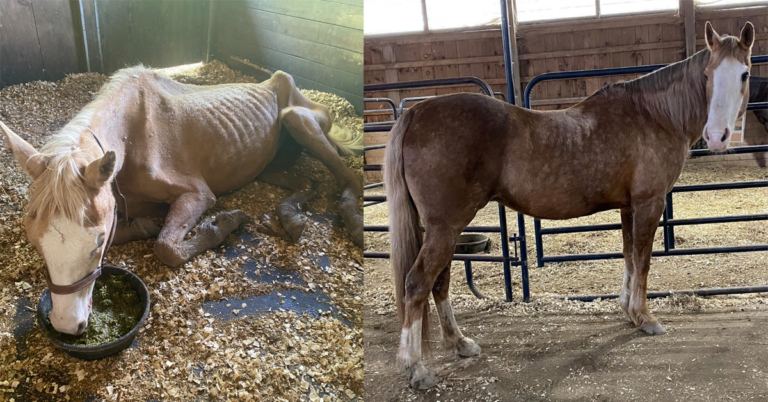
She gave an example from early in her career of being forced to euthanize an elderly horse with lice, explaining how it haunts her to this day. Moral distress occurs when you know the ethically correct action to take but feel powerless to take that action. Consequences of moral distress include dissatisfaction, burnout, and abandonment of the veterinary profession, said Crabbe.
As another example, she discussed various possibilities that could occur with a surgical colic case:
- A horse owner might be financially unable to pay for surgery, so chooses euthanasia.
- A misinformed owner who insists on continuing medical treatment while refusing euthanasia causes the horse to die on its own after suffering.
- An owner with the means to choose surgical treatment doesn’t value the horse sufficiently to spend the money.
Other examples Crabbe shared included turning away emergencies and experiencing conflicts between your ethics and the law.
Measuring Moral Distress
In 2025, Montoya et al. published a paper titled, “Moral conflict and moral distress in veterinarians: a mixed-methods approach.” In this study, they developed a pilot measure of moral distress for veterinary clinicians. The pilot scale adapted the Measure of Moral Distress for Healthcare Professionals (MMD-HP) to the veterinary context to create the Measure of Moral Distress for Veterinary Clinicians (MMD-VC). The MMD-VC comprises three subscales, including:
- Team communications that compromise patient care.
- Conflicting client interactions.
- Situations perceived as personal threats.
It includes 16 items ranked on a 0-4 scale. Crabbe described it as being a moral distress thermometer similar to the familiar 0-10 pain scale seen frequently at physicians’ offices. She said it’s important to realize that each morally difficult situation leaves a cumulative residue, which can lead to three outcomes: numbing, conscientious objection, or burnout.
Ethical Decision Frameworks
Wright said more than 90% of veterinarians experience moral dilemmas on a weekly basis, and most don’t know how to manage the emotional, physical, and spiritual effects. Often these situations follow a mismatch in values and being asked to do things you believe are wrong. In response, she recommended seeking mentorship, asking hard questions, and pursuing an ethical decision framework.
An ethical decision framework, she explained, has four components:
- Identifying all possible outcomes.
- Establishing all stakeholders’ interests.
- Formulating a spectrum of possible decisions.
- Minimizing the impact on the animal.
All possibilities should be shared with stakeholders, which requires minimizing the perfectionism tendency that sees options in black and white rather than gradients of optimal.
Take-Home Message
Practice owners have a strong impact on associates and early career veterinarians. They must model ethical behavior, offer psychological safety, respect conscientious objectors, and be thoughtful ethical dilemma mentors. Strategies to minimize moral distress in veterinarians include adopting practicewide boundaries and policies about ethically sensitive circumstances, initiating regular ethics rounds for the team, and providing mental health resources.
In closing, Wright called on colleagues to increase their ethical standards in the care they provide, and live by the words: “If you see something, say something” and “Don’t let the bad become the normal.”
Business coverage from the 2025 AAEP Convention is brought to you by CareCredit.
Related Reading
- Ethics of Emergency Care in Equine Practice
- Are You Burned Out in Equine Practice?
- Guiding the Next Generation: Mentorship in Equine Veterinary Practice
Stay in the know! Sign up for EquiManagement’s FREE weekly newsletters to get the latest equine research, disease alerts, and vet practice updates delivered straight to your inbox.
![[Aggregator] Downloaded image for imported item #18711](https://s3.amazonaws.com/wp-s3-equimanagement.com/wp-content/uploads/2025/10/20105749/EDCC-Unbranded-14-scaled-1-768x512.jpeg)