
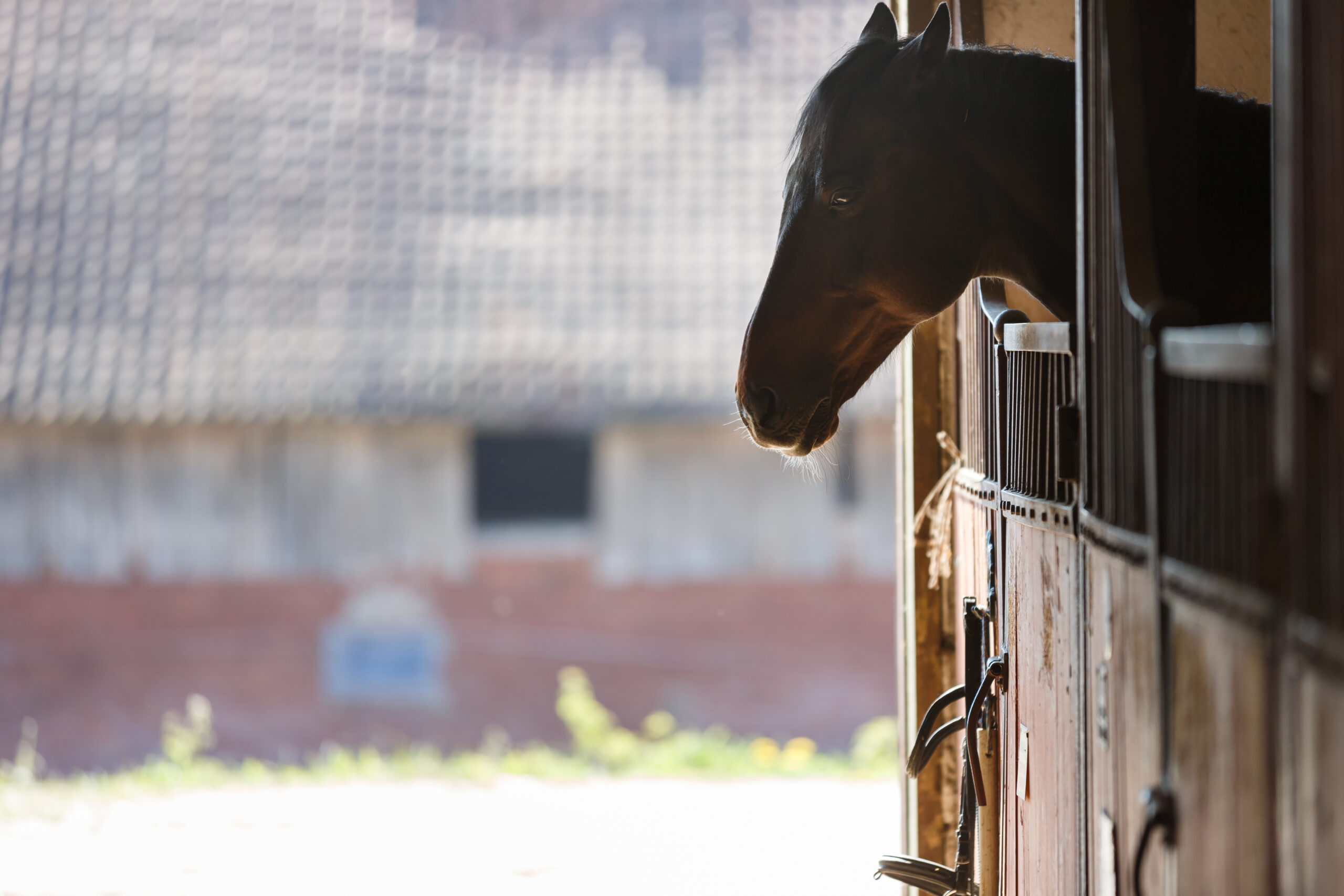
On June 8, an 18-year-old Thoroughbred gelding in Simcoe County, Ontario, tested positive for equine herpesvirus-1 (EHV-1). The horse developed edema in all four limbs on June 6. His clinical signs progressed to acute hindlimb ataxia and bladder paralysis, and he was taken to an equine referral hospital that day. He became recumbent on June 8 and was euthanized.
Fifteen additional horses have been exposed to the disease. The facility owner has implemented animal movement restrictions and biosecurity protocols.
EDCC Health Watch is an Equine Network marketing program that utilizes information from the Equine Disease Communication Center (EDCC) to create and disseminate verified equine disease reports. The EDCC is an independent nonprofit organization that is supported by industry donations in order to provide open access to infectious disease information.
EHV 101
Herpesvirus is highly contagious among horses and can cause a variety of ailments in equids, including rhinopneumonitis (a respiratory disease usually found in young horses), abortion in broodmares, and EHM.
In many horses, the first or only sign of EHV-1 infection is fever, which can go undetected. In addition to fever, other common signs of EHV-1 infection in young horses include cough, decreased appetite, depression, and a nasal discharge. Pregnant mares typically show no signs of infection before they abort, and abortions usually occur late in gestation (around eight months) but can be earlier. Abortions can occur anywhere from two weeks to several months following infection with EHV-1.
Horses with EHM usually have a fever at the onset of the disease and might show signs of a respiratory infection. A few days later, neurologic signs such as ataxia (incoordination), weakness or paralysis of the fore- and hind limbs, urine retention and dribbling, loss of tail tone, and recumbency (inability to rise) develop.
Herpesvirus is easily spread by nose-to-nose or close contact with an infectious horse; sharing contaminated equipment including bits, buckets, and towels; or clothing, hands, or equipment of people who have recently had contact with an infectious horse. Routine biosecurity measures, including hygiene and basic cleaning and disinfection practices, should be in place at all times to help prevent disease spread.
Current EHV-1 vaccines might reduce viral shedding but are not protective against the neurologic form of the disease. Implementing routine biosecurity practices is the best way to minimize viral spread, and the best method of disease control is disease prevention.
![[Aggregator] Downloaded image for imported item #19998](https://s3.amazonaws.com/wp-s3-equimanagement.com/wp-content/uploads/2026/05/29122748/EDCC-Unbranded-5-scaled-1-768x512.jpeg)
