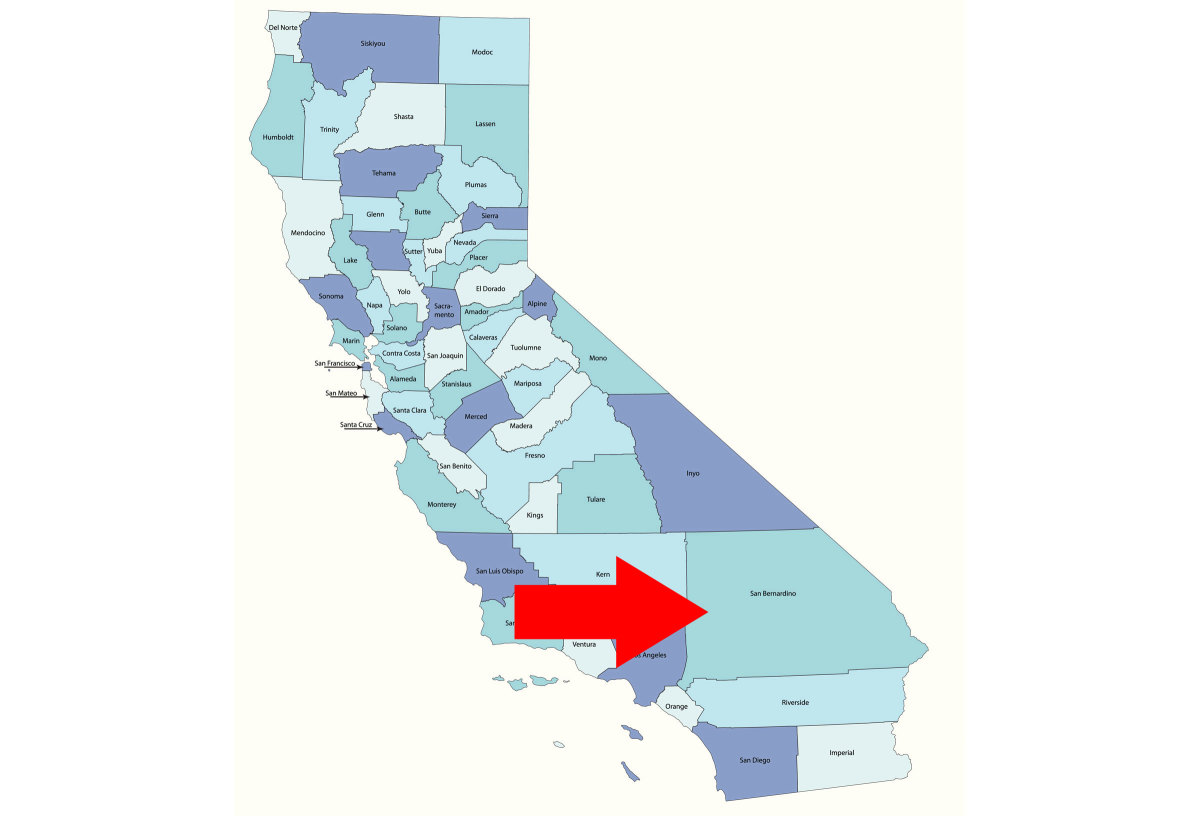
The California Department of Food and Agriculture (CDFA) has confirmed seven positive cases of equine infectious anemia (EIA) at a training facility in San Bernardino County. Officials said 19 other horses were exposed.
On January 3, 2022, a 5-year-old Quarter Horse gelding with a racing history was confirmed positive for equine infectious anemia while residing in Arizona. The gelding originated from a premises in San Bernardino County, California.
The investigation lead to the quarantine and testing of 19 exposed horses; 6 of those were confirmed positive for EIA on January 13, 2022.
The remaining horses on the San Bernardino county premises will remain quarantined until retested in 60 days.
CDFA staff continue the investigation to determine if any additional horses were exposed.
For more information on EIA, please see the CDFA website.
Arizona Update
In an update from the EDCC: The Arizona Department of Agriculture reported a confirmed case of EIA in Maricopa County. A total of 46 additional horses were exposed at the private facility. There is an official quarantine.
Editor’s note: Visit the article page for the Disease Du Jour: 2021 AAEP Infectious Disease Committee Meeting Report to see a PDF from Dr. Angela Pelzel-McCluskey of USDA/APHIS. There are topics of extreme importance to equine veterinarians and the entire industry in this report, including the iatrogenic spread of EIA and piroplasmosis in unsanctioned racing of Quarter Horses, Thoroughbreds and Standardbreds. Also check out a Disease Du Jour podcast with Pelzel-McCluskey on EIA and the modern spread through blood doping and other human causes.
Information for this report was provided by the Equine Disease Communication Center.