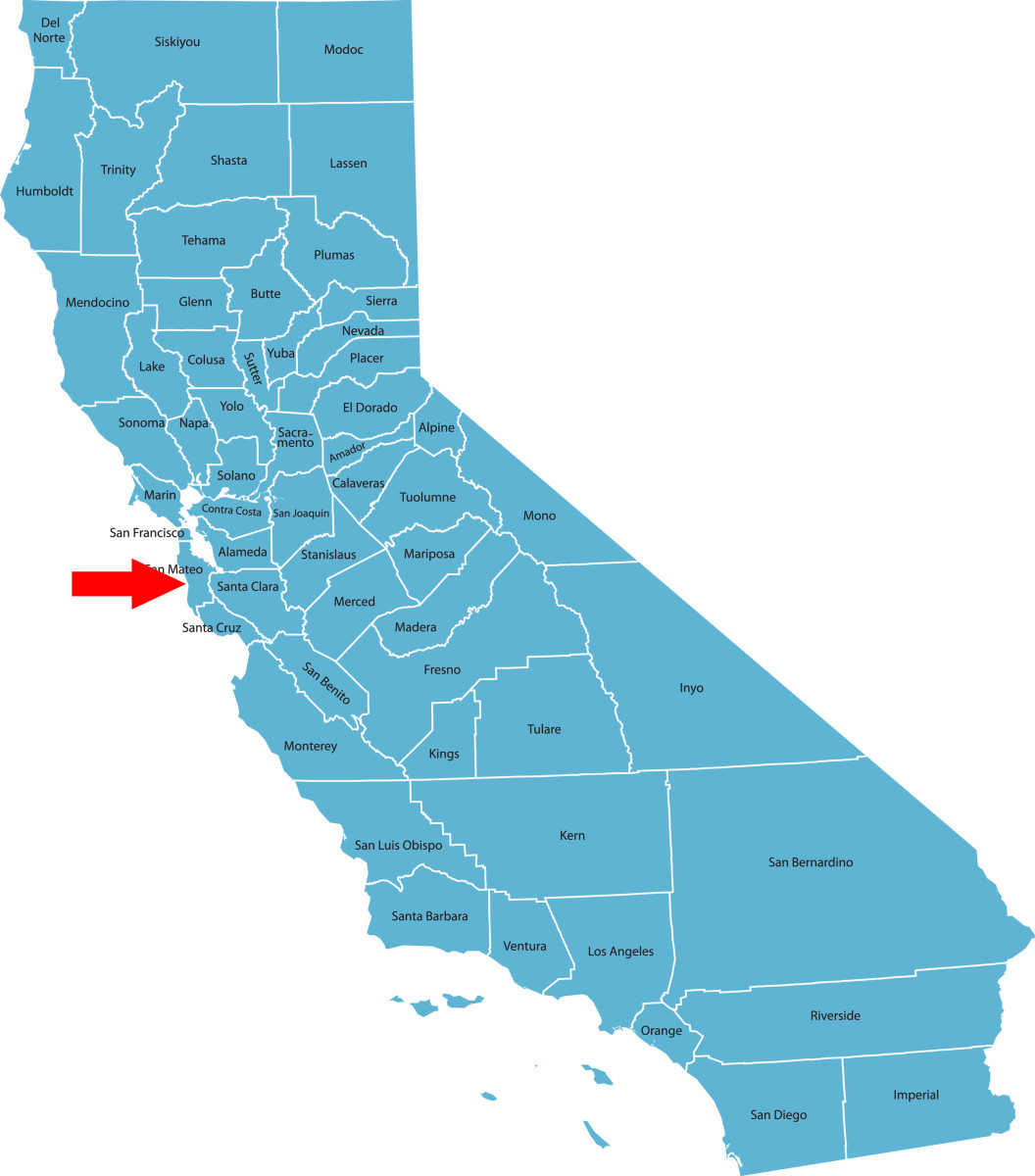
Equine Neurologic Herpesvirus in San Mateo County, CA

On one property, a horse has tested positive for EHM and another has tested positive for EHV-1.

On one property in San Mateo County, California, a pony mare has EHM and a Tennessee Walking Horse mare has a fever and tested positive for EHV-1. iStockPhotos.com

The California Department of Food and Agriculture has reported that a 15-year-old pony mare, which originated from a San Mateo County facility, began displaying neurologic signs. She has been confirmed positive for equine herpesvirus myeloencephalopathy (EHM or neurologic herpesvirus). 

A 24-year-old Tennessee Walking Horse mare from the same property had a fever and tested positive for equine herpesvirus type 1 (EHV-1). 

Both mares have been isolated, placed under quarantine and enhanced biosecurity is in effect. 

Exposed horses will be monitored for clinical signs and temperatures will be taken twice daily. Any horse displaying a fever or compatible clinical signs will be tested. 

CDFA will continue to monitor the situation and post new information as it becomes available.

For more information visit https://www.cdfa.ca.gov/ahfss/animal_health/equine_herpes_virus.html.
categories
tags
Trending Articles
Animal Hospital
Preoperative Fasting Increases Post-Anesthetic Colic Risk in Horses
Horse lay on back and having fun to roll in sand
Risk Factors for Equine Strangulating Lipoma Colic 
Black stallion isolated
CTM and RxM of the Equine Cranial Cervical Spine 
1-Bathing_BiancaMcCartyPhotography-22
New Opinions Regarding Free Fecal Water Syndrome
Newsletter
Get the best from EquiManagement delivered straight to your inbox once a week! Topics include horse care, disease alerts, and vet practitioner updates.

"*" indicates required fields

This field is for validation purposes and should be left unchanged.
Name*
Country*

Additional Offers

Untitled
EquiManagement
Privacy Overview

This website uses cookies so that we can provide you with the best user experience possible. Cookie information is stored in your browser and performs functions such as recognising you when you return to our website and helping our team to understand which sections of the website you find most interesting and useful.