Equine Strangles Reported in Indiana

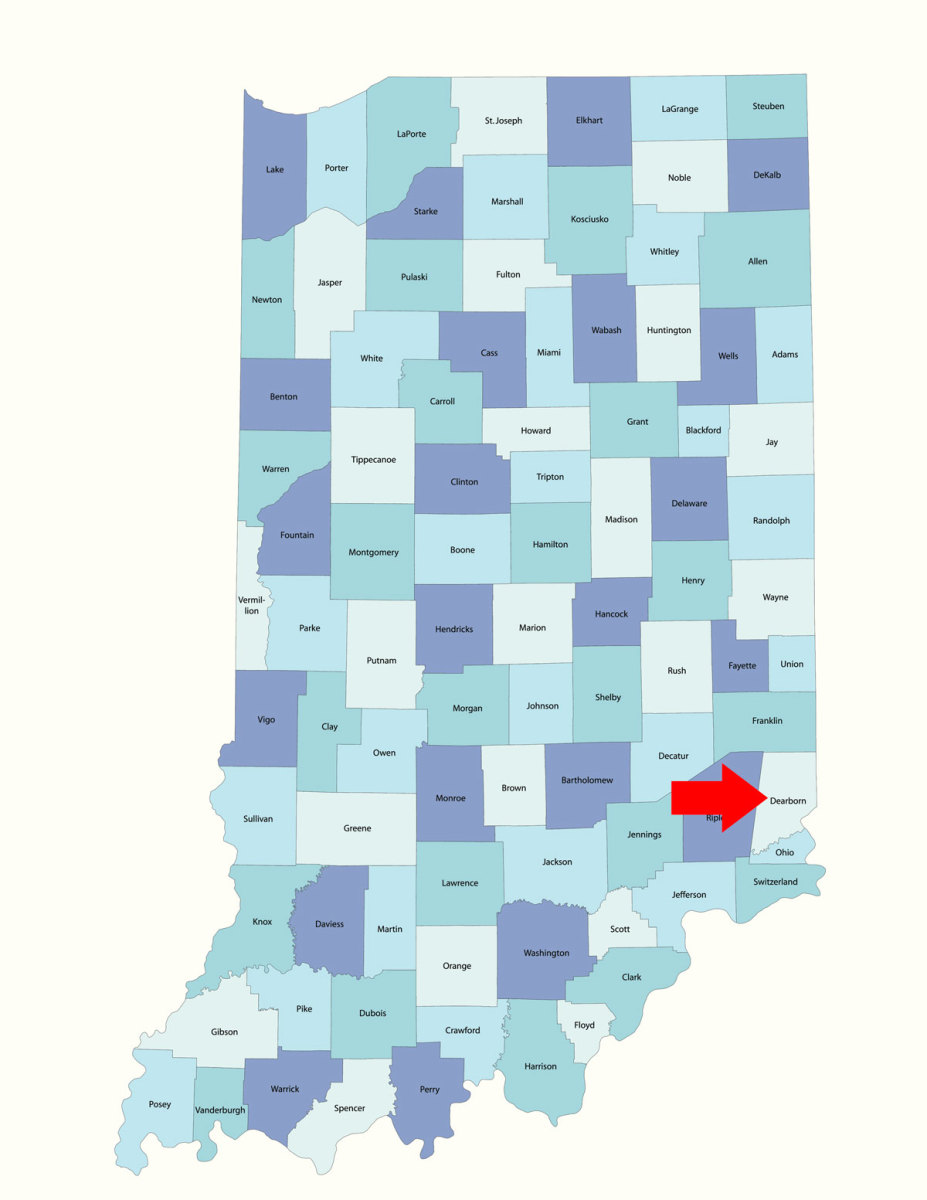
A horse at a private Dearborn County, Indiana, facility was confirmed positive with the bacterium that causes equine strangles as well as other organisms.

A horse at a private Dearborn County, Indiana, facility was confirmed positive with the bacterium that causes equine strangles as well as other organisms. iStock/Hagen CD

An attending veterinarian at a private facility in Dearborn County, Indiana, reported a horse confirmed positive for Streptococcus equi ssp. equi (the bacterial cause of strangles in horses), S. equi ssp. zooepidemicus (which can cause several diseases in horses, including upper respiratory tract infections), and EHV-4 (equine herpesvirus type 4, which can cause upper respiratory tract infections).

Two other horses are suspect for strangles. 

The attending veterinarian reported that another horse on the property had returned from a training barn three weeks prior to the occurrence of the strangles cases. 

For more information read this Strangles Fact Sheet.

Information for this report was provided by the Equine Disease Communication Center.

categories
tags
Trending Articles
Fine art horse nose with black copy space
1 Confirmed, 8 Suspected Strangles Cases in Washington
Nose brown horse closeup on a green background
Strangles Reported in St. Clair County, Michigan
Friesian Rolling Adobe
Cola Might Help Treat Gastric Impactions in Horses
Insektenplage. Schönes Pferd frei zwischen gelben Blumen auf einer Wiese wird von Insekten attackiert
Georgia Reports First EEE Case of 2026
POLLS AND SURVEYS
Newsletter
Get the best from EquiManagement delivered straight to your inbox once a week! Topics include horse care, disease alerts, and vet practitioner updates.

"*" indicates required fields

This field is for validation purposes and should be left unchanged.
Name*
Country*

Additional Offers

Untitled
EquiManagement
Privacy Overview

This website uses cookies so that we can provide you with the best user experience possible. Cookie information is stored in your browser and performs functions such as recognising you when you return to our website and helping our team to understand which sections of the website you find most interesting and useful.