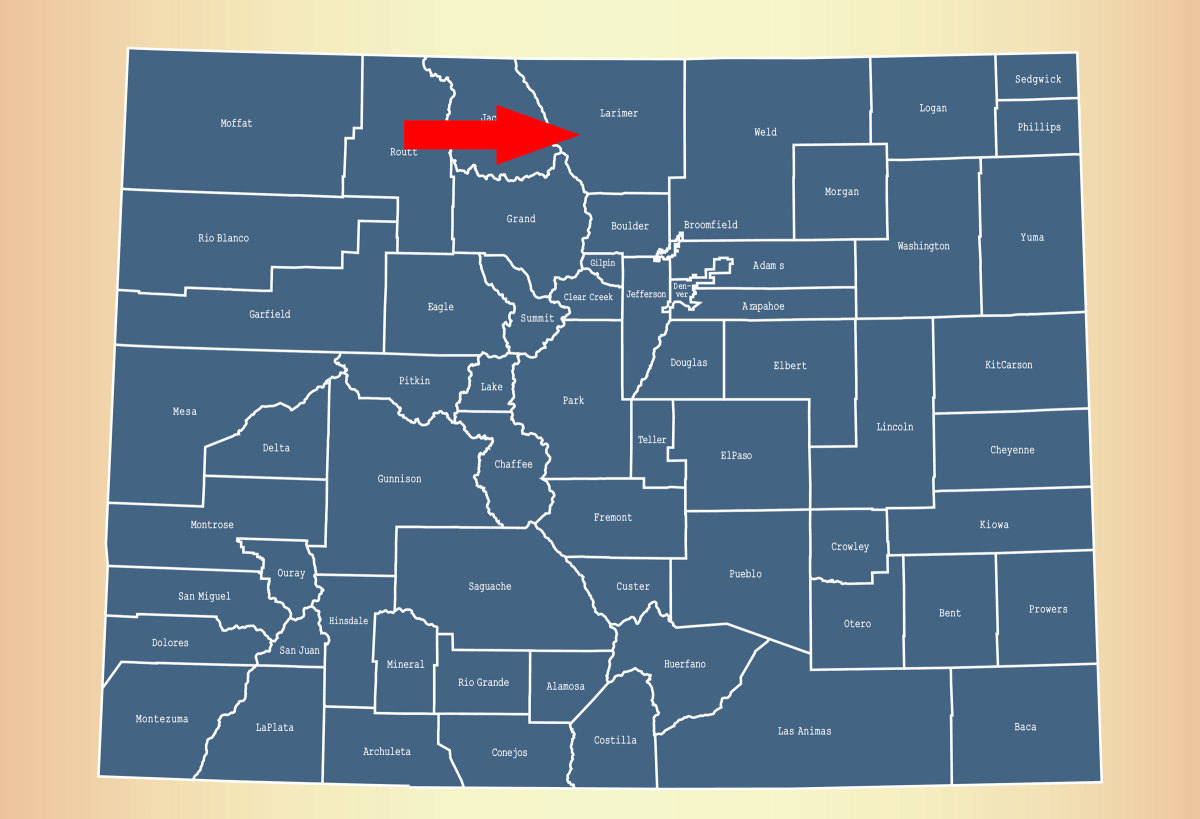
A Larimer County, Colorado, horse has been diagnosed with West Nile virus (WNV), marking Colorado’s first 2017 confirmed equine WNV case, according to the Colorado Department of Agriculture (CDA). The horse was diagnosed by the Colorado State University Veterinary Diagnostic Laboratory in Fort Collins on August 2, 2017.
The CDA provided the following information about protecting horses from West Nile virus and other diseases.
Vaccines in horses have proven to be a very effective prevention tool. Horses that have been vaccinated in past years need an annual booster shot. If an owner did not vaccinate his or her animal in previous years, the horse will need the two-shot vaccination series within a three- to four-week period.
In addition to vaccinations, horse owners also need to reduce the mosquito populations and their possible breeding areas. Recommendations include removing stagnant water sources, keeping animals inside during the bugs’ feeding times, which are typically early in the morning and evening, and using mosquito repellents.
“Strict insect control is an important factor to inhibit the transmission of West Nile virus. I encourage livestock owners to keep an eye out for standing water for mosquito populations,” said
Colorado State Veterinarian Keith Roehr.
Infected horses might display clinical signs that include head tilt, muscle tremors, stumbling, lack of coordination, weakness of the limbs or partial paralysis. The clinical signs of WNV are consistent with other important neurological diseases such as equine encephalitis, rabies and equine herpes virus; therefore it is important to work with your veterinarian to get an accurate diagnosis through laboratory testing. Horse owners should also consult with their private veterinarians to determine an appropriate disease prevention plan for their horses.
The transmission of the disease varies from year to year and depends on a number of factors including mosquito numbers. The WNV can be amplified and carried by infected birds and then spread locally by mosquitoes that bite those birds. The mosquitoes can then pass the virus to humans and animals.
For more WNV information: