An abstract for the article “Histopathologic findings following experimental equine herpesvirus 1 infection of horses” was published online in Frontiers in Veterinary Science.
Authors of this article were Gisela Soboll Hussey, Dodd Sledge, Matti Kiupel, Carine Holz and Rahul Nelli of the College of Veterinary Medicine, Michigan State University, and Lutz S. Goehring of Ludwig Maximilian University of Munich, Germany.
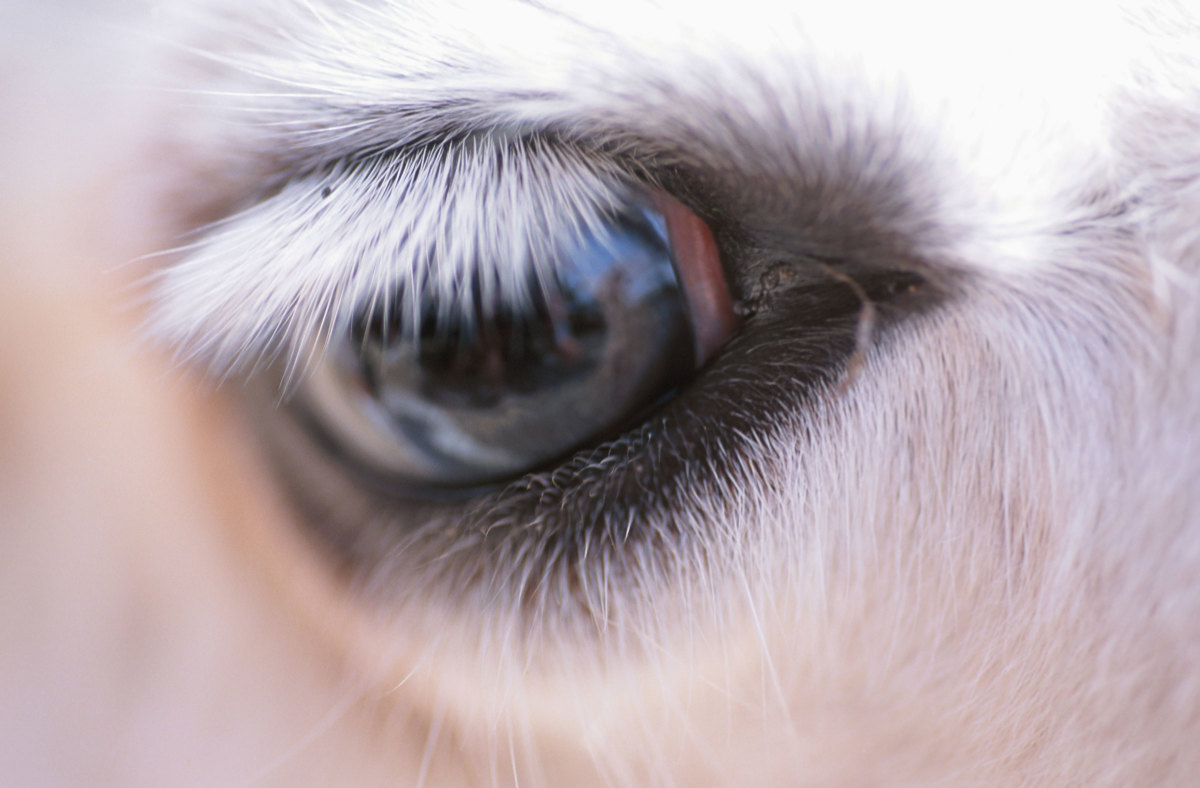
Editor’s note: Choroiditis is defined as an inflammation of the choroid (which is the thin, pigmented vascular coat of the eye). It is a form of posterior uveitis.
Abstract
“Histopathological differences in horses infected with equine herpesvirus type 1 (EHV-1) of differing neuropathogenic potential [wild-type (Ab4), polymerase mutant (Ab4 N752), EHV-1/4 gD mutant (Ab4 gD4] were evaluated to examine the impact of viral factors on clinical disease, tissue tropism and pathology.
“Three of 8 Ab4 infected horses developed Equine Herpesvirus Myeloencephalopathy (EHM) requiring euthanasia of 2 horses on day 9 post-infection. None of the other horses showed neurologic signs and all remaining animals were sacrificed 10 weeks post-infection. EHM horses had lymphohistiocytic vasculitis and lymphocytic infiltrates in the lungs, spinal cord, endometrium and eyes. EHV-1 antigen was detected within the eyes and spinal cord. In 3/6 of the remaining Ab4 infected horses, 4/9 Ab4 N752 infected horses, and 8/8 Ab4 gD4 infected horses, choroiditis was observed. All males had interstitial lymphoplasmacytic and/or histiocytic orchitis and EHV-1 antigen was detected.
“In conclusion, only animals sacrificed due to EHM developed overt vasculitis in the CNS and the eye. Mild choroiditis persisted in many animals and appeared to be more common in Ab4 gD4 infected animals. Finally, we report infiltrates and changes in the reproductive organs of all males associated with EHV-1 antigen. While the exact significance of these changes is unclear, these findings raise concern for long-term effects on reproduction and prolonged shedding of virus through semen.”