It has been known for some time that equine glandular gastric ulcer disease (EGGD) is linked to stress. At the Swiss Institute of Equine Medicine in Bern, Switzerland, researchers looked into possible changes in ACTH responses in sporthorses identified with gastric ulcer syndrome (GUS) [Scheidegger, M.D.; Gerber, V.; Bruckmaier, R.M.; van der Kolk, J.H.; Burger, D.; Ramseyer, A. Adrenocorticotropic hormone (ACTH) in sport horses with equine glandular gastric disease (EGGD). The Veterinary Journal. Sept. 11, 2017].
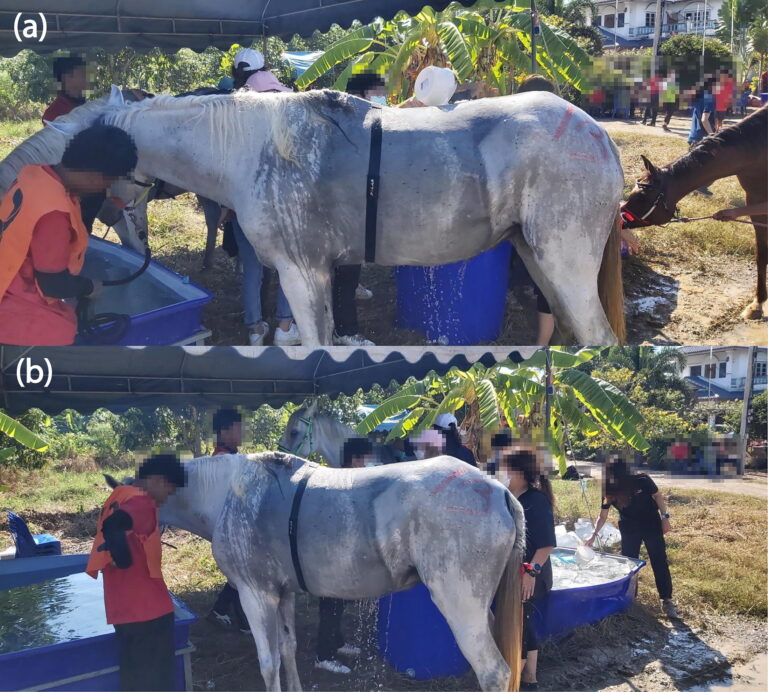
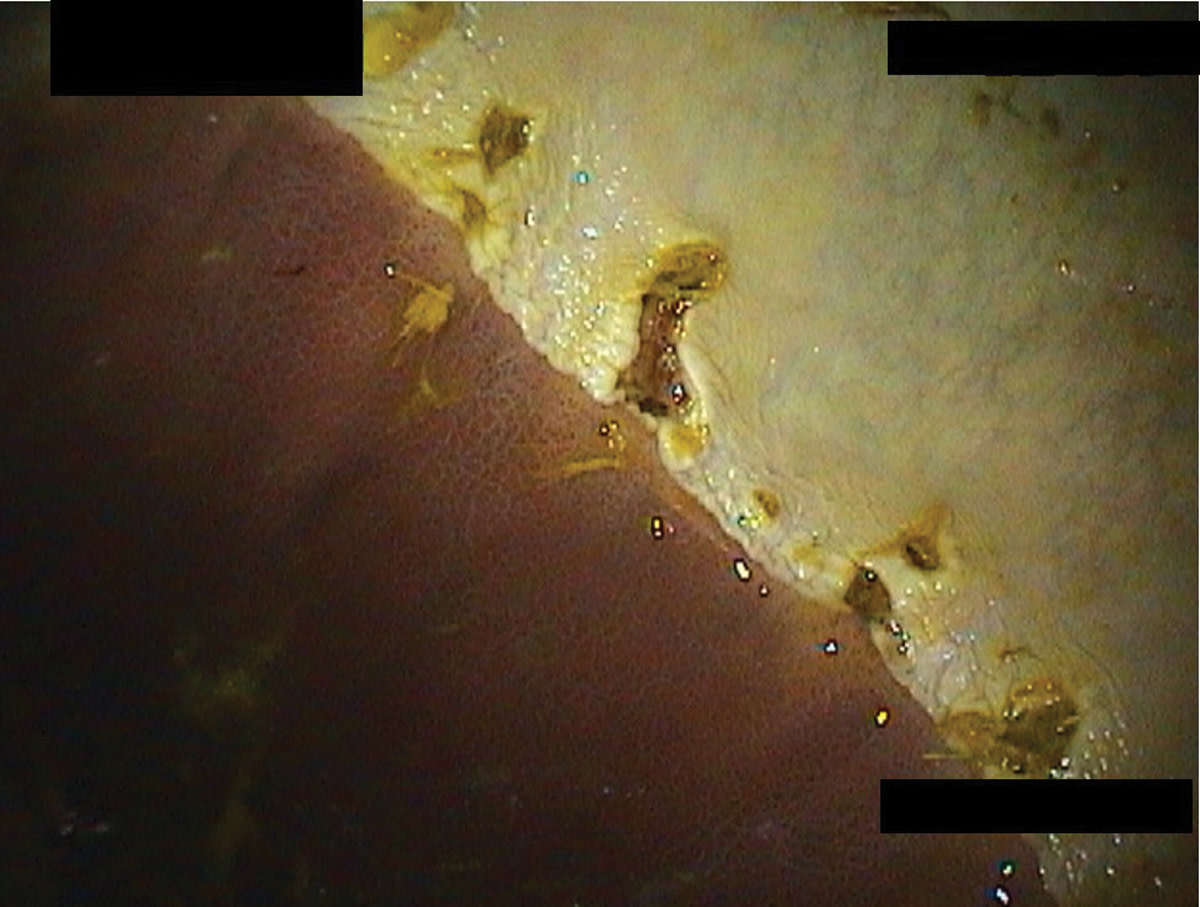
International competition-level horses were scoped for gastric ulcer disease and also administered TRH stimulation testing for ACTH levels. Of the 26 horses examined, 15 performed in eventing and 11 in endurance racing. The researchers found that:
- Equine gastric ulcer disease involves two distinct syndromes: equine squamous gastric disease (ESGD) and equine glandular gastric disease (EGGD).
- ESGD was found in 8/11 endurance horses and 5/15 event horses.
- EGGD was found in 9/11 endurance horses and 9/15 event horses.
- ESGD was unrelated to EGGD in presence or severity.
Horses with moderate EGGD demonstrated larger increases in cortisol concentration from ACTH stimulation than horses with only mild EGGD.
The study concluded: “EGGD might be associated with an enhanced adrenocortical sensitivity.”
Recognizing the physiological changes that occur in response to stress—training, travel and competition—can help practitioners counsel clients on how to best manage their horses in order to reduce stress levels.