Research on Digital Hypothermia and Equine Laminitis

The authors concluded that, "Continuous digital hypothermia reduced the severity of laminitis in the EHC model and prevented histological lesions compatible with lamellar structural failure."

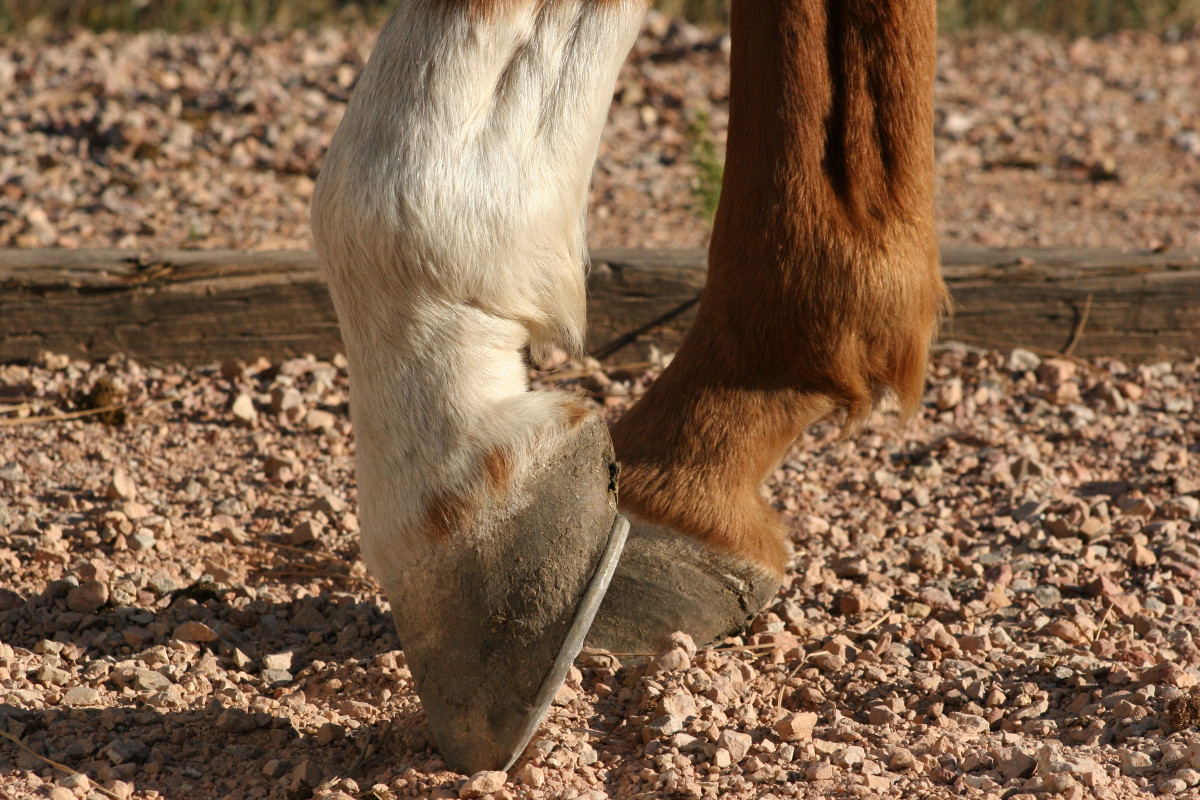
The authors concluded that, “Continuous digital hypothermia reduced the severity of laminitis in the EHC model and prevented histological lesions compatible with lamellar structural failure.” iStockPhotos.com

A recent article in the Equine Veterinary Journal was published under the title, “Continuous digital hypothermia prevents lamellar failure in the euglycaemic hyperinsulinaemic clamp model of equine laminitis.” Authors for this research were: S. M. Stokes, J. K. Belknap, J. B. Engiles, D. Stefanovski, F. R. Bertin, C. E. Medina‐Torres, R. Horn and A. W. van Eps.

The purpose of this study was to, “determine the effects of continuous digital hypothermia on laminitis development in the euglycaemic hyperinsulinaemic clamp model.”

The authors’ conclusions were, “Continuous digital hypothermia reduced the severity of laminitis in the EHC model and prevented histological lesions compatible with lamellar structural failure.”

Access to this article in the Wiley online library can be found here.

categories
tags
Trending Articles
BEVA logo
BEVA Publishes Updated Guidelines for the Euthanasia of Insured Horses
[Aggregator] Downloaded image for imported item #19446
Equine Influenza Case Confirmed in Montana
Girl riding a horse
How to Plan a Ridden Rehabilitation Program for Horses
Untitled-1
Administration Method Does Not Affect Antibiotic Levels After IVRLP
Newsletter
Get the best from EquiManagement delivered straight to your inbox once a week! Topics include horse care, disease alerts, and vet practitioner updates.

"*" indicates required fields

This field is for validation purposes and should be left unchanged.
Name*
Country*

Additional Offers

Untitled
EquiManagement
Privacy Overview

This website uses cookies so that we can provide you with the best user experience possible. Cookie information is stored in your browser and performs functions such as recognising you when you return to our website and helping our team to understand which sections of the website you find most interesting and useful.