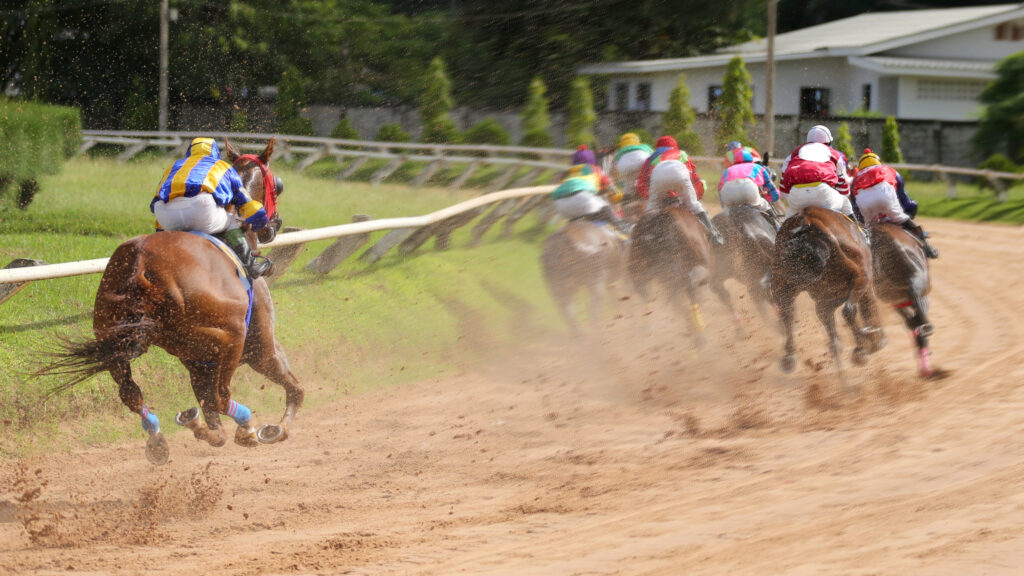
This article originally appeared in the Fall 2026 issue of EquiManagement. Sign up herefor a FREE subscription to EquiManagement’s quarterly digital or print magazine and any special issues.The major changes throughout a racehorse’s life can vastly alter the microbiome and, in turn, affect general health. | Adobe Stock
Earlier this year, Nikki Walshe, MVB, PhD, CertAVP (Equine), presented a webinar sponsored by Treo Eile about the microbiome’s role in racehorse health and disease. Looking through a microbiome lens, she described the major changes in a racehorse’s life that can vastly alter the microbiome and, in turn, affect general health. Many of these transition events occur similarly in all horse lives, with comparable effects.
Major Life Transition Stages
Weaning
The first major life transition is weaning and the hidden effects of a sudden reduction in milk intake and an introduction to more solid feed with different fiber and starch compositions. Routine deworming at weaning further disrupts a foal’s gastrointestinal ecosystem with microbiota shifts and associated inflammation. Abrupt social separation from the dam and formation of a new group hierarchy of foals increases cortisol release from stress. The combination of dietary shifts, stress, and anthelmintics likely reduces gastrointestinal microbial diversity, with a pronounced impact on microbial producers of short-chain fatty acids that provide energy. Weaning stress and dietary transitions also increase the risk of dysbiosis and gut-related disease.
Preracing
GET FREE UNLIMITED ACCESS
Register today and get FREE unlimited access to all content from EquiManagement!
Get the best from EquiManagement delivered straight to your inbox once a week! Topics include horse care, disease alerts, and vet practitioner updates.