Equine Parasites and Stabling

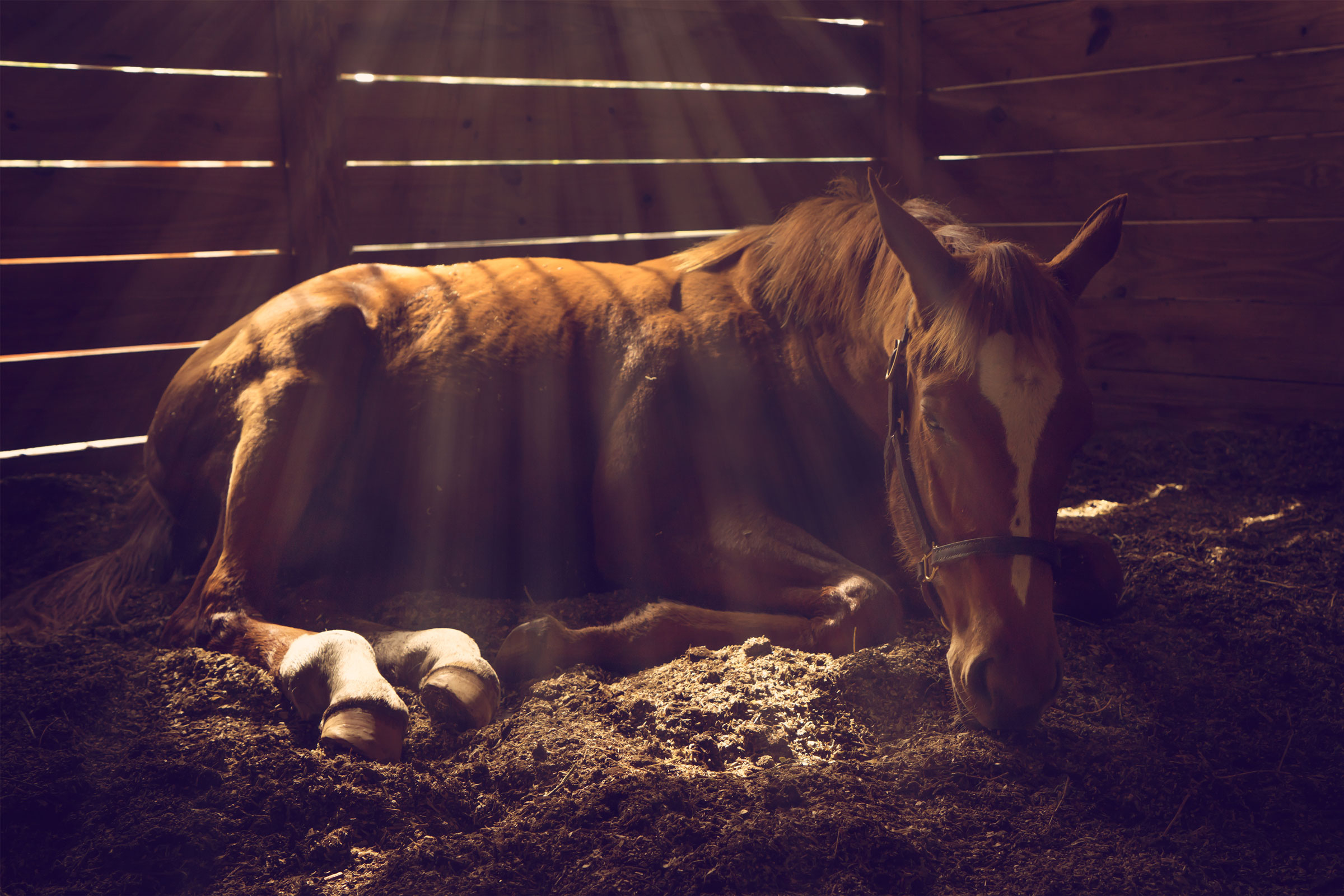
Horses can ingest infective cyathostomines larvae while in stalls.

Horses can ingest infective cyathostomines larvae while in stalls. iStockphotos.com

It is generally assumed that horses housed in barns with manure collected every day or two from the stalls are not at risk of ingesting infective larvae of internal parasites (cyathostomines) unless they are turned out on pasture. That premise has been modified with a report by S. Love et al. in Parasite Vectors (2016 Aug 31;9:478).

By Day 8 of the study, infective cyathostomine larvae were recovered from moist straw in 18 of 24 samples. Unless the straw was removed and replaced, the number of infective larvae continued to increase over the eight-week period of the study. 

Author’s note: This information can be helpful in advising clients of the need for optimal stabling hygiene and appropriate deworming protocols, even when horses are not turned out on pasture. 
categories
tags
Trending Articles
Girl riding a horse
How to Plan a Ridden Rehabilitation Program for Horses
Untitled-1
Administration Method Does Not Affect Antibiotic Levels After IVRLP
Newborn arab
Disease Du Jour: Neonatal Maladjustment Syndrome and Sepsis
Horse Trailer on Highway
The Business of Practice: Responding to Horse Trailer Accidents
Newsletter
Get the best from EquiManagement delivered straight to your inbox once a week! Topics include horse care, disease alerts, and vet practitioner updates.

"*" indicates required fields

This field is for validation purposes and should be left unchanged.
Name*
Country*

Additional Offers

Untitled
EquiManagement
Privacy Overview

This website uses cookies so that we can provide you with the best user experience possible. Cookie information is stored in your browser and performs functions such as recognising you when you return to our website and helping our team to understand which sections of the website you find most interesting and useful.