In equine practice, efficiency is important to maintain revenue levels that can support higher professional incomes. Intentional scheduling that prioritizes efficiency is a critical part of this effort.
Reserve Time for Urgent Appointments
Instead of squeezing urgent appointments for sick or injured horses into already full days, practices can reserve space in the daily schedule for same-day urgent care. These slots will almost always fill and should have a premium added for urgent service. On the unusual day when no urgent calls come in, veterinarians can use that free block to update records, read the latest journals, practice a new skill, or even take a relaxing walk. Some practices designate one veterinarian each day to handle all urgent calls, while others assign them to the closest veterinarian to mitigate travel inefficiencies.
Geographic Clustering
An innovative scheduling model for ambulatory practices with large service areas includes geographic clustering to minimize windshield time. In this model, practices designate specific days to see each region. For example, a practice might schedule elective calls in the busy northeast territory every Tuesday and Thursday, and the slower southwest area every other Wednesday. When scheduling appointments with clients, the practice can say: “We’ll be in your area next Tuesday and Thursday. Which of those days work best for you?”
Urgent calls might necessitate a trip out of the day’s intended territory, but these calls will include a fee to compensate for the added driving time. Shifting away from trying to accommodate all clients’ schedules to prioritizing the practice’s financial health can help prevent sharp fee increases.
Considerations for Haul-in Facilities
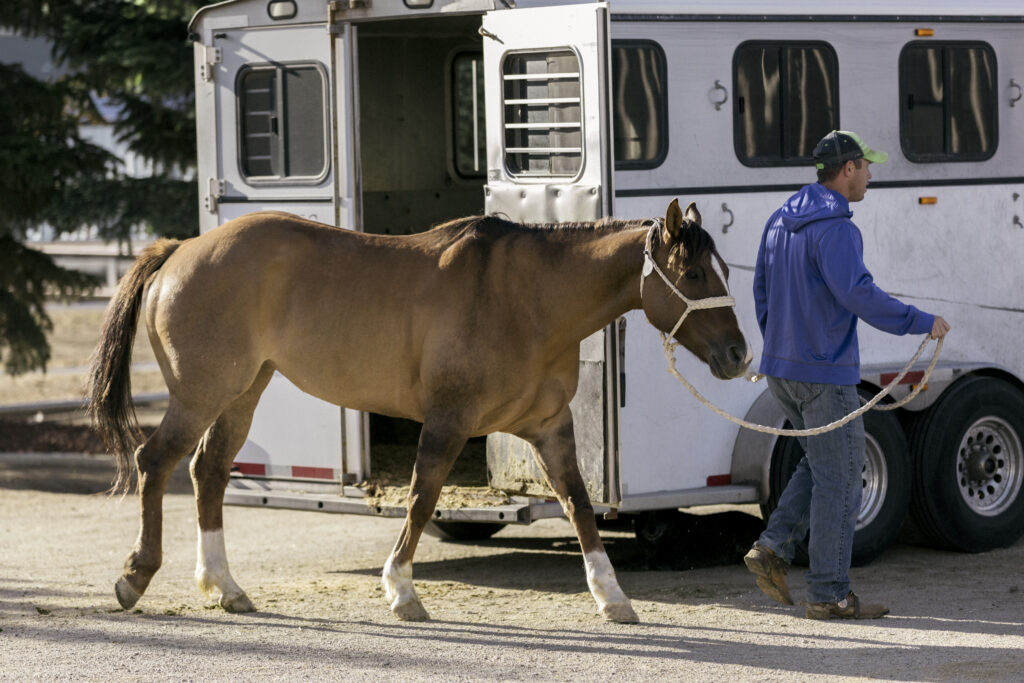
If you have a haul-in facility, scheduling can be tricky, as clients might arrive late and create wasted downtime. Set clear expectations with a specific arrival window, good directions about how to proceed when they arrive, and what paperwork they must have with them. By clearly determining the purpose of the visit when the client calls, you can allot enough time for the appointment, order necessary supplies and medications, and set up in advance. Being this efficient also helps reduce the “While I’m here, Doc” requests.
It’s also a good idea to iron out arrival protocols at your haul-in facility. Consider asking clients to leave their horse on the trailer and wait in their vehicle or in your waiting room when they arrive after checking in at the front desk. This way, you don’t have to worry about confidentiality if they arrive while you are examining another client’s horse. If you are so busy that you are performing simultaneous lameness exams to reduce the downtime of diagnostic blocks and imaging, have discussions with owners out of earshot of other clients.
Flexibility for the Team
Other aspects of innovative scheduling include flexibility for the team. Providing employees with options to balance their work obligations and personal lives leads to improved productivity and job satisfaction. For a practice owner, this means greater retention of veterinarians and staff with better engagement and client satisfaction. Educate your clients about what they can expect and how you’ll maintain continuity of care when their “preferred” veterinarian is out of office, including consistent communication with the horse’s usual care team.
Four-day workweeks feel more manageable and less stressful for most practitioners, whether they are working four contiguous days or breaking their week into smaller segments. Solo practitioners frequently choose to work a shortened appointment schedule three or four days a week and reserve one day for office work. Extending a four-day workweek to staff members has similar benefits.
Final Thoughts
A few other scheduling tweaks can also make a difference. Forward booking can prompt clients to anticipate their horse’s next needed appointment and plan around the practice’s geographic schedule in advance. Use of AI scribes that create medical record drafts contemporaneously during appointments can minimize the time needed to complete required records. A practice can also schedule protected administrative blocks that are unbookable for team meetings, record completion, and client communication. Thoughtful, innovative scheduling can make such a difference in efficiency and team well-being!
Related Reading
- How Equine Veterinarians Can Balance Efficiency With Client and Patient Care
- Maximizing Veterinary Technician Utilization in Equine Practice
- Business Briefs: Should You Build a Haul-in Facility?
Stay in the know! Sign up for EquiManagement’s FREE weekly newsletters to get the latest equine research, disease alerts, and vet practice updates delivered straight to your inbox.