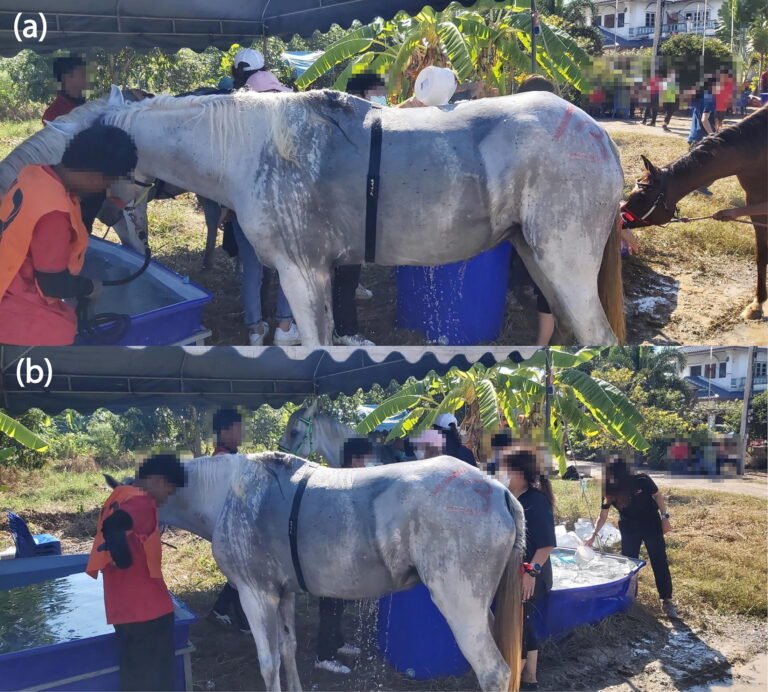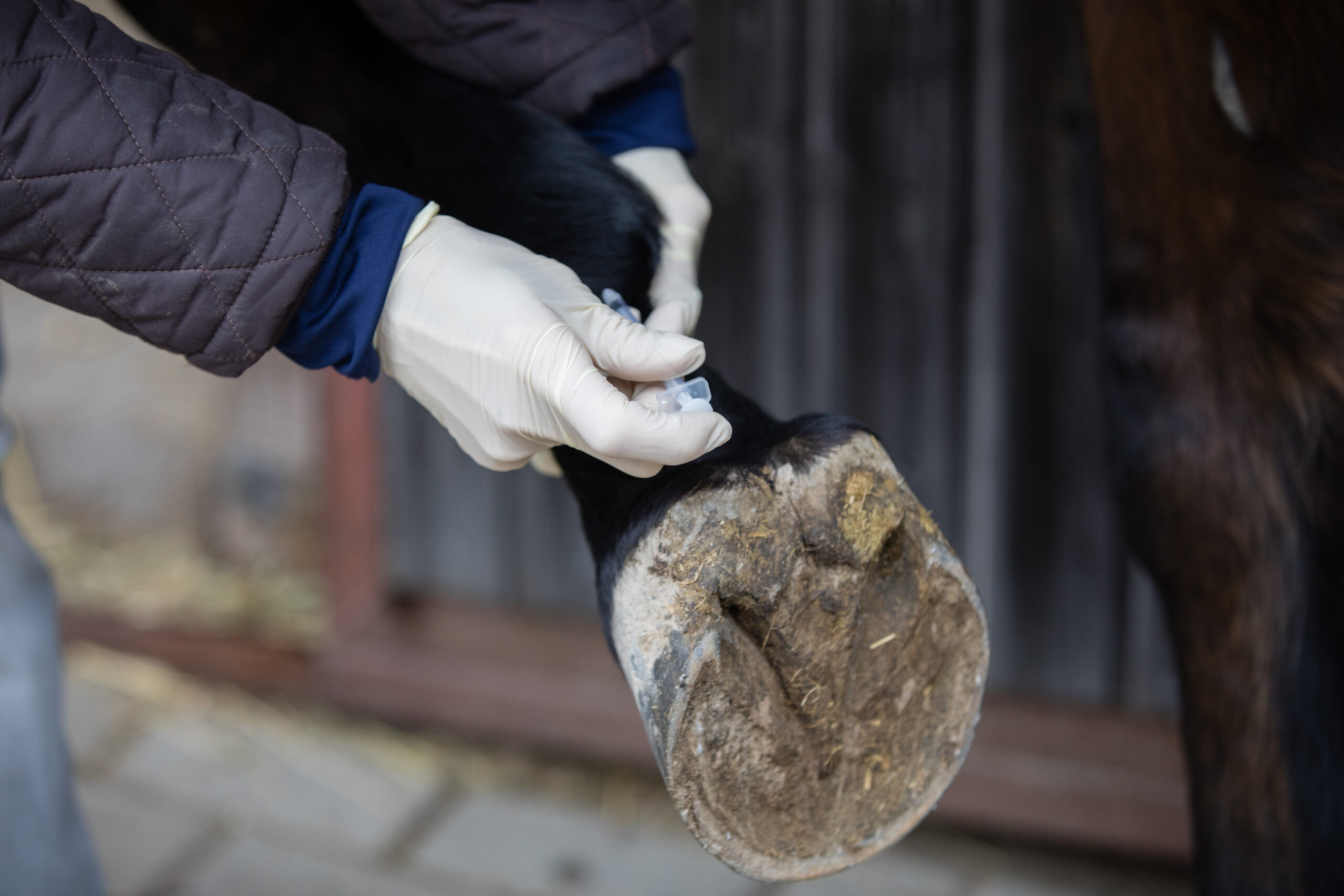
The current recommendation for using intra-articular corticosteroids in horses is to screen for insulin dysregulation before injecting a joint. However, even horses without metabolic disease can experience prolonged hyperinsulinemia (HI) from the systemic effects of a single injection; this can last up to a week at insulin values > 45 uIU/ml. In a new study, researchers evaluated using ertugliflozin prophylactically before and after joint injections with triamcinolone acetonide to mitigate horses’ hyperinsulinemic responses.
Crossover Study
The crossover study included eight metabolically normal geldings aged 6-11 years. The control treatment was intra-articular triamcinolone only, while the test treatment was compounded oral ertugliflozin (ERT) (0.05 mg/kg PO) once daily for seven days before and seven days after intra-articular injection with the same dose of triamcinolone. The researchers injected the horses’ bilateral fetlock joints with a total of 18 mg of triamcinolone per horse. After a five-week washout period, the horses were enrolled in the opposite treatment, and the study was repeated. The researchers collected resting glucose and insulin concentrations throughout the study for seven days following joint injections. They performed dynamic low-dose oral sugar testing (OST) on the day preceding joint injections and on Days 2 and 7 following joint injections.
Ertugliflozin is a sodium-glucose cotransporter 2 inhibitor (SGLT2i) that decreases glucose reabsorption in the kidneys, thereby leading to reduced concentrations of circulating insulin and potentially mitigating hyperinsulinemia-associated laminitis (HAL) risk.
The oral sugar test (at 60 minutes) did not demonstrate any differences between ERT and control horses, except on Day 2 following the joint injections. On Day 2, the ERT-treated horses had significantly lower insulin concentrations than the controls: 31.2 uIU/ml versus 57.7 uIU/ml. Beyond the oral sugar test, the ERT horses’ resting insulin levels were significantly lower and at concentrations below the diagnostic cutoff for insulin dysregulation for several days following the joint injections when compared to the control horses. Glucose was also lower in the ERT-treated horses for several days following joint injections compared to the control horses. None of the horses treated with ERT developed abnormal triglyceride concentrations or adverse clinical signs associated with the ertugliflozin.
Beyond pharmacological intervention, dietary management has been shown to improve insulin dysregulation in horses. It is possible that short-term dietary management changes, such as feeding a low nonstructural carbohydrate hay, might impact hyperinsulinemic response to IA corticosteroids, the authors wrote.
Take-Home Message
Based on this study, the authors suggest that using ertugliflozin for a week prior to and following intra-articular injection with corticosteroids can help limit the risk of hyperinsulinemia and, potentially, HAL in horses. This strategy might prove invaluable for horses with known or suspected insulin dysregulation. It is noteworthy that this study used metabolically normal horses; the authors recommend that future studies focus on medicating insulin-dysregulated horses.
Reference
Page AE, McPeek JL, McGreevy E, et al. Treatment with ertugliflozin mitigates the hyperinsulinemic response to intra-articular triamcinolone acetonide. Equine Veterinary Journal 2026; DOI: 10.1002/evj.70150
Related Reading
- Disease Du Jour: Metabolic Effects of Intra-Articular Corticosteroids
- Updates on SGLT2 Inhibitors for Horses
- Commentary: Side Effects of SGLT2 Inhibitors in Horses Are Avoidable
Stay in the know! Sign up for EquiManagement’s FREE weekly newsletters to get the latest equine research, disease alerts, and vet practice updates delivered straight to your inbox.