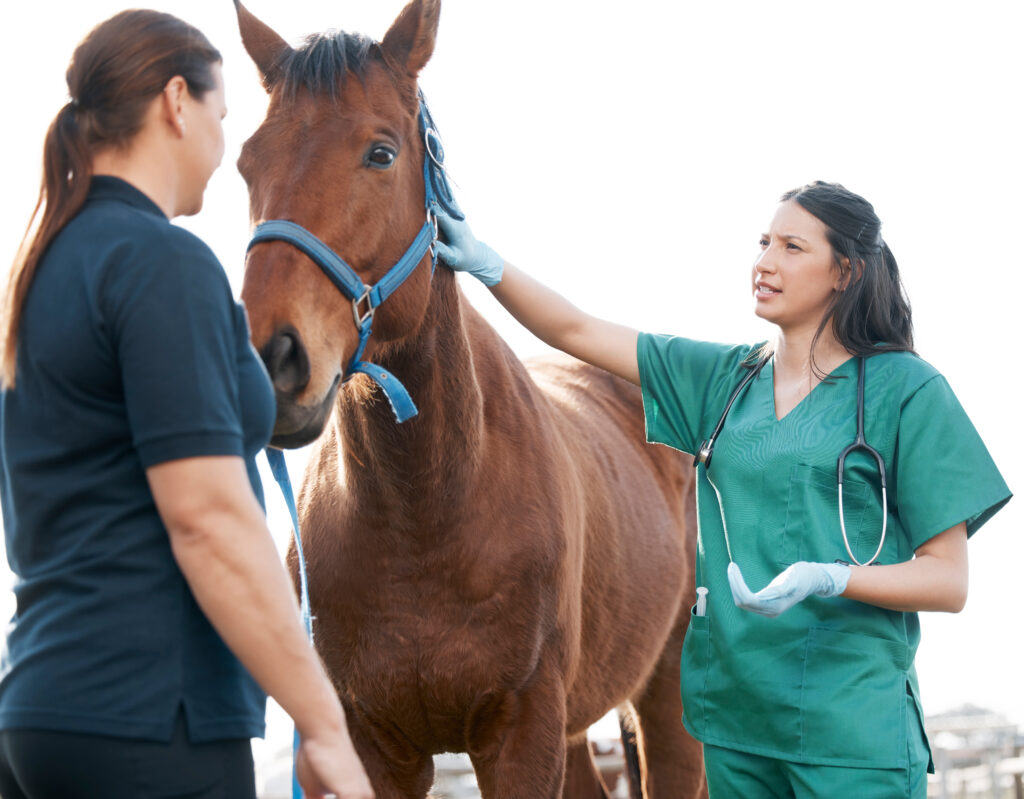
“Language of Care” refers to initiatives, communication styles, and terminology designed to foster empathy, improve accessibility, and ensure respectful, effective communication in health care and support settings. It focuses on reducing jargon, bridging cultural gaps, and improving client comprehension of veterinary care.
The Importance of Listening
The best client communication sets expectations, establishes a two-way flow of information, and provides a clear explanation of examination findings, recommendations, and next steps. Listening is incredibly important. To create an opportunity for the other person to feel heard, you must replace judgment with curiosity, create a safe space to “empty the bucket,” and stop defending, litigating, or pointing out flaws in logic. Say things like, “Tell me more” or “What else?” This kind of listening builds trust and helps find common ground when there is opposition. Always remember that our perceptions shape our understanding, and recognize that your personal perception does not equal reality. Seek to understand and be understood.
AVMA Research on Client Communication
The AVMA has done extensive research on how to effectively communicate with clients. This research shows that clients want customized care and understand that a strong and trusting relationship with their veterinarian enables better care and more customized recommendations for their animal. The AVMA recommends telling clients, “Regular visits and examinations allow me to build a strong relationship with you and your horse and understand your unique needs.”
The AVMA’s research has also found that emotion significantly impacts how clients perceive communication. The data show that an emotional appeal is the most effective way to talk with most animal owners about veterinary care. For instance, “One of the best ways to keep your horse healthy and happy for years to come and avoid emergency visits is to have regular veterinary care.” Or, when choosing the best approach to treat an infection, say, “I know how much you care about Skye. The highest level of care would be to have Skye go to the hospital for treatment, but if you prefer, we also have choices for treatment that we can give here at home. If you want, we can talk about the costs of each option before you decide.”
Perhaps most importantly, the research shows that it is important to be upfront about the costs of care. Horse owners appreciate veterinarians who demonstrate that they understand high costs can be stressful, especially when they also voice a desire to help make veterinary care more affordable. The AVMA recommends saying, “I recognize that veterinary care can be expensive. I’m committed to working with you to find a treatment option that fits your needs and your budget.”
Communicating During Emergencies
In emergency situations, emotions are high because the situation is unexpected. Owners might be distressed about their horse’s pain or suffering and worried about the outcome: Will the horse live? What will the financial impact be? Will the animal continue to suffer? Will they still be rideable? The veterinarian’s responsibility is to communicate clearly and kindly through this barrier, offer multiple options for care, and check for understanding.
Final Thoughts
Empathy, clarity, and reflective listening are the language of caring and will serve you well in providing the best care for your clients and patients.
Related Reading
- Improving Equine Rehab Outcomes Through Better Owner Adherence
- Business Briefs: Handling the Financially Stressed Client
- Social Media Use for Client Communication
Stay in the know! Sign up for EquiManagement’s FREE weekly newsletters to get the latest equine research, disease alerts, and vet practice updates delivered straight to your inbox.