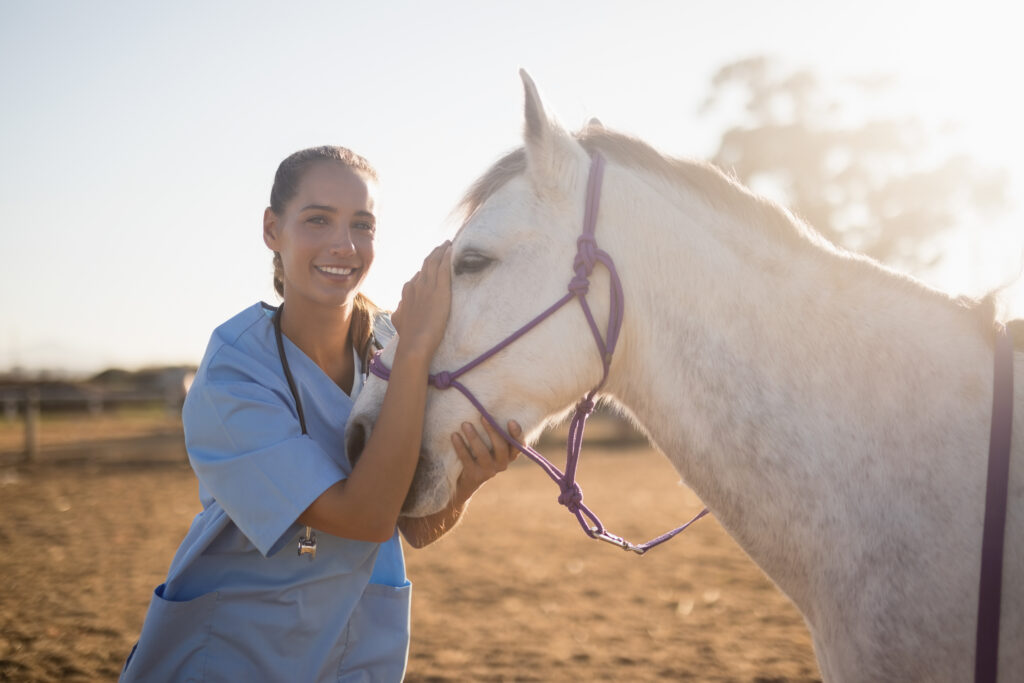
As you approach your fourth year in veterinary school and work toward becoming an equine practitioner, you must make critical decisions on where to apply for externships and internships. Many new graduates who attend internships with cultures that do not align with their needs finish their first year of practice broken in spirit and leave their equine dream behind. The equine veterinary profession loses valuable new members every year because of these experiences.
Define Your Vision
The first step in deciding which internship will best serve your needs is to discern what you envision for your career as an equine veterinarian and for your life in general. What is most important to you? How do you define success? What gives you the most joy and satisfaction in your work as a veterinarian? What do you want to be doing in your personal and professional life in five years? Many early-career veterinarians become accustomed to the constant drumbeat of reaching the next goal, often at the expense of missing out on joy in the present. When there is no new peak to bag, it feels deflating. If you are pursuing a dream of residency and specialty boards, be sure to investigate the employment prospects, lifestyle, and compensation. Discern if you are “peak bagging” or really want that life.
Choose the Right Internship Path
For students pursuing specialty residencies, internship choice will affect your chances of gaining that position. Ask your faculty mentors for recommendations of practices or university hospitals that regularly place their interns in residencies. Many of the well-known large referral hospital practices have good track records in placement and offer comprehensive internships with quality mentorship. Typically, these positions are rigorous and expect a lot from their interns. They are best suited to veterinarians who thrive in fast-paced, high-pressure environments.
Many early-career equine practitioners, especially those who have competed in equestrian sports, aspire to work in sports medicine. Choosing an internship at a practice that is deeply involved in the competitive world will offer you the opportunity to meet mentors who can advance your skills and enhance your future opportunities. These internships might require you to accompany more experienced doctors on calls and learn from observing more than doing, depending on the caliber of horses the practice is serving.
For those seeking a career in general equine practice, the culture of the internship program you choose will be most important. When your future work location is your primary goal, investigate practices in your preferred location, but be open to a year at a practice in another region that offers a well-rounded, high-quality program. After your internship, you can explore employment opportunities in the area you have identified as your preferred future home. For many, this is near family.
Do Your Homework
No matter what future you envision, spending time at the practices you are considering for an internship through an externship is irreplaceable. Ask the current interns about their experiences, good and bad. Assess the structure and quality of the program. Take notes, so you have clear data for later comparisons. Utilize the AAEP Internship Program Best Practices guide and Red Flags vs. Green Flags resource to assess the practices. With these steps, you can find an internship that is right for you.
Brought to you by Bimeda.
Related Reading
- Early Career Insights: How Equine Vets Can Develop Foundational Skills
- Equine Veterinary Sustainability: Supporting Equine-Track Students
- Early Career Insights: What Are MentorVet and Decade One?
Stay in the know! Sign up for EquiManagement’s FREE weekly newsletters to get the latest equine research, disease alerts, and vet practice updates delivered straight to your inbox.