Most newly minted veterinarians have a healthy fear of making mistakes, and that makes sense. Mistakes can cause harm and even threaten the lives of patients. Mistakes that don’t cause physical harm can still erode trust and affect the doctor’s reputation. It can be scary to do a procedure for the first time, even if you know the anatomy and have a good grasp of the fundamentals, because you are worried that you’ll make an error.
Mistakes Are Common
It is important to remember that everyone makes mistakes, and they are more common than you might realize. In a 2018 survey of 606 veterinarians, 73.8% reported being involved in at least one near miss or adverse event.
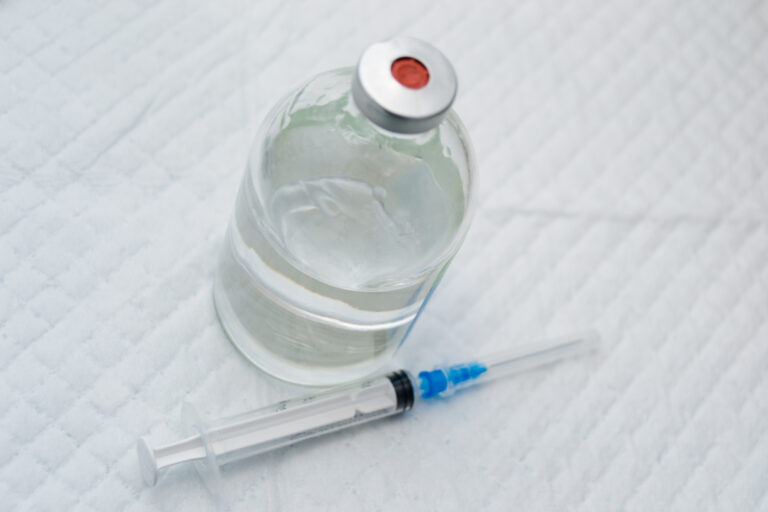
Often, injectable medication bottles look nearly identical. Could you mistakenly do a posterior digital (PD) nerve block using Lutalyse instead of Carbocaine because the wrong one was drawn up? Absolutely. Could your nasogastric tube turn on itself and suddenly emerge from the horse’s nostril? You bet. Could you inadvertently enter the carotid artery instead of the jugular vein while injecting sedation? You certainly hope not, but it can happen even to experienced doctors.
What Happens Next
When you unintentionally do something wrong medically, you feel awful. Often, the primary emotion is fear, at least initially, followed by embarrassment and shame, especially if the mistake occurred in front of others. Your inner voice might start to berate you: “I don’t belong in this profession.” “I don’t have what it takes.” “No one will ever want me to touch their horse again.” “I will probably get fired.” “I’m not good enough.”
It is important to ask yourself, “What would I say to a friend in this situation?” Remind yourself that you are a human doing your best in an imperfect world. At the same time, take a deep breath and focus on what must be done to mitigate the error. Later, after the patient has been attended, discern what can be learned from the event to prevent it from occurring again.
Because many experienced veterinarians never talk about their mistakes, it can seem as though high-performing, high-achieving types do not make errors. This is not true! Every doctor will make a mistake if they practice long enough. It could be a wrong diagnosis rather than a medication error or a surgical procedure gone wrong, but no one practices perfectly. When veterinarians hold themselves to unattainable standards, they are setting themselves up for failure. Sharing mistakes at work can be powerful in supporting others’ mental health, especially when mentors admit their moments of imperfection to early-career veterinarians.
Final Thoughts
Use adverse events as opportunities to learn. In a culture with psychological safety, the entire team can collaborate to support those who make mistakes while also minimizing future errors. Mistakes are inevitable. They do not make you a bad veterinarian or a bad person—they make you human. Learn from them, share them with others, and be empathetic when others fail to be perfect.
Related Reading
- Early Career Insights: How to Build Trust With Horse Owners
- Modeling Ethical Decision-Making for Early-Career Veterinarians
- Early Career Insights: How Equine Vets Can Develop Foundational Skills
Stay in the know! Sign up for EquiManagement’s FREE weekly newsletters to get the latest equine research, disease alerts, and vet practice updates delivered straight to your inbox.