Veterinary practices rely on powerful energized equipment daily. Lift tables, imaging systems, sterilizers, treadmills, farm equipment, and anesthetic systems are all necessary components of patient care, but what often goes unnoticed is the amount of hazardous energy required to operate these routinely-used machines (and the serious injury risks that can arise when the energy used to power them is not properly controlled during cleaning, servicing, or repair).
Lockout/Tagout (commonly referred to as LOTO) is a process used to prevent the unexpected startup or release of stored energy in energized equipment. When proper processes are not followed, serious injuries and fatalities can occur. While LOTO is widely known to be used in machinery-heavy industries like manufacturing, construction, and chemical production, it’s just as much an OSHA requirement in veterinary environments as it is in other sectors. This article explores the ins and outs of the LOTO process and provides specific recommendations for veterinary practice.
Sources of Hazardous Energy in Veterinary Practice
Any energy source that is capable of causing injury if released unexpectedly must be considered hazardous. This includes:
- Electrical energy: fans, imaging equipment, surgical equipment, therapy equipment
- Mechanical energy (moving parts): commercial printers, motorized equipment and tables, treadmills, squeeze chutes, farm equipment
- Hydraulic energy (pressurized fluid): lift tables, treadmills, farm equipment, hoists
- Pneumatic energy: compressed gas and oxygen systems
- Thermal energy (heat/cold): heating devices, autoclaves, sterilizers, industrial coolers/freezers
- Chemical energy: ETO sterilizers, anesthetic equipment, centralized chemical and dilution stations, automatic sprayers
- Ionizing radiation: Imaging equipment
Addtionally, many veterinary practices operate advanced equipment with multiple energy sources. Examples include:
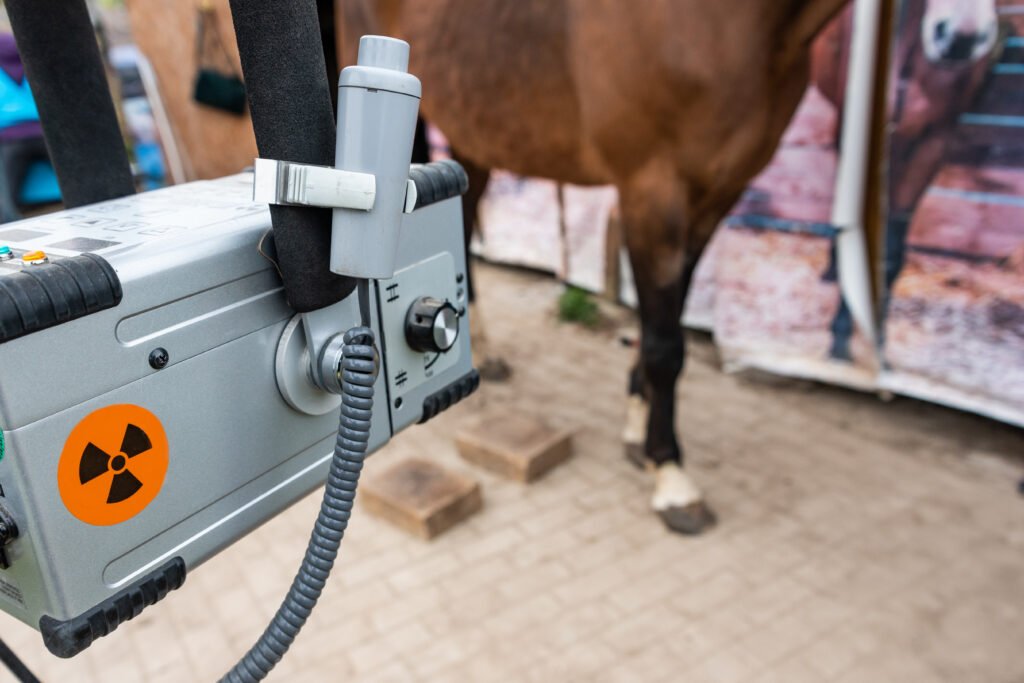
- X-ray and CT systems use high voltage electricity, radiation, and thermal energy. Even powered down, components may retain dangerous charge.
- MRI units introduce unique hazards. The magnet is always on, even when the system looks inactive. Metal objects can become deadly projectiles.
- Treadmills and hydrotherapy units combine electricity, mechanical motion, heat, and water. Around water, electrical risk increases significantly.
- Hyperbaric chambers involve compressed oxygen, high pressure, and electrical systems. Fire, explosion, and pressure related injuries are possible if energy is not controlled correctly.
Examples of Hazardous Energy Injuries
- Veterinary Technician A is working beneath a hydraulic lift table when pressure releases unexpectedly, crushing them beneath the table.
- Dr. B is clearing an obstruction from an automatic gate when a team member accidentally activates the controls from another location, causing Dr. B’s arm to be pinned.
- Veterinary Maintenance Team Member C is adjusting the headgate catch mechanism because it’s not releasing smoothly. While reaching into the mechanism to adjust tension, the stored spring energy releases unexpectedly, fracturing their jaw.
Understanding LOTO & OSHA
OSHA’s Control of Hazardous Energy standard applies whenever individuals are performing equipment service or maintenance that has the potential to cause unexpected energization, startup, or the release of stored energy. This can include electrical, mechanical, hydraulic, pneumatic, chemical, thermal, or radiation energy. LOTO does not apply to the routine operation of veterinary equipment. It specifically applies to situations where staff members must bypass guards, place hands or bodies into danger zones, or access internal components during maintenance, cleaning, troubleshooting, or repair. In those moments, simply turning the equipment off is not enough. Some forms of energy, such as electrical charge in capacitors, compressed pressure, radiation, and heat, may remain even after equipment appears shut down. Without proper isolation, verification, and locking, injuries can occur in seconds.
LOTO Components Explored
- A lockout device is a physical lock placed on an energy-isolating device such as a breaker, plug, or valve to prevent re-energization.
- A tagout device is a highly visible warning label that communicates that a piece of equipment is out of service and must not be operated.
Together, locks and tags prevent accidental startup and clearly communicate danger to others in the workplace.
LOTO should be used any time equipment could cause injury if it unexpectedly starts or releases energy. This includes when team members are performing preventative maintenance and internal cleaning; clearing jams or obstructions; working under lift tables or motorized equipment; servicing anesthesia machines or sterilizers; or repairing damaged or malfunctioning equipment.
Who Is Responsible for LOTO Processes?
Only trained and authorized employees should perform LOTO. OSHA places responsibility on the practice owner to establish a written energy control program, identify equipment that requires LOTO, provide appropriate locks, tags, and hardware, train authorized and affected employees, and conduct periodic inspections of procedures. If an energy isolating device can be locked, OSHA expects lockout to be used unless equivalent protection can be demonstrated with tagout alone.
Where to Begin?
Many veterinary practice owners assume that they need to build LOTO procedures from the ground up. In reality, most equipment manufacturers include energy control and lockout information in their instruction manuals, websites, service guides, or maintenance sections. These documents often identify energy sources, shut down steps, isolation points, pressure release requirements, and warnings specific to that machine.
Before creating custom LOTO procedures, review manufacturer documentation for each piece of equipment. This information forms the foundation for written energy control procedures and helps ensure alignment with the equipment’s intended design and safety controls. While manufacturer guidance does not replace your responsibility, it does provide a strong starting point. Your role is to adapt that information to your specific workplace, to identify who is authorized to perform the work, and to ensure the steps are documented, trained, and consistently followed. This approach saves time, improves accuracy, and reduces the risk of missing critical energy sources.
The Basic LOTO Process:
- Notify affected team members.
- Shut down equipment using normal controls.
- Isolate all energy sources.
- Apply locks and tags.
- Release or restrain stored energy.
- Verify isolation by testing.
- Perform service or maintenance.
- Remove locks & tags only after work is complete and the area is safe.
Lockout/Tagout plays a critical role in reducing preventable injuries associated with powered equipment in veterinary settings. Practices that recognize LOTO as applicable to their operations and apply it consistently during maintenance and repair activities significantly lower their likelihood of serious incidents occurring. Using manufacturer instructions as the foundation for equipment-specific procedures helps close common safety gaps. Strong energy control practices protect staff, reduce disruption, and support long term practice sustainability.
Related Reading
- Update Your Equine Clinic to Reduce Medical Errors
- Business Briefs: 10 Common OSHA Violations in Equine Practice
- Fire Prevention Planning for Veterinary Practices
Stay in the know! Sign up for EquiManagement’s FREE weekly newsletters to get the latest equine research, disease alerts, and vet practice updates delivered straight to your inbox.