In response to a growing shortage of equine veterinarians in the United States, Zoetis and United States Pony Clubs (USPC) are working together to nurture the next generation of horse care professionals. As the official health and wellness partner of USPC, Zoetis supports programs that teach essential equine care and medicine skills.
“Pony Club is about so much more than just riding and competition,” said Holly Helbig, DVM, Equine Technical Services Veterinarian for Zoetis. Through USPC’s tiered certification program, members gain not only horsemanship, health knowledge, and care skills but also life skills—such as leadership, communication, and community service—that can set them up for successful careers.
“It’s set up in a way that challenges the kids but also allows them to feel those moments of achievement,” she added.
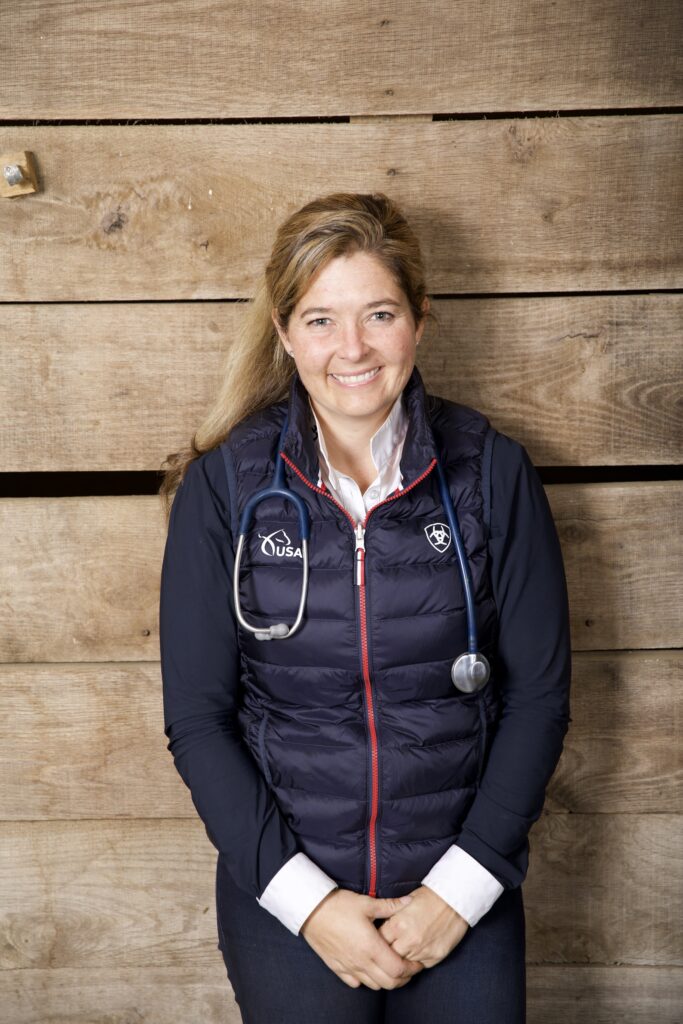
From a very young age, Elizabeth Weber, DVM, of B.W. Furlong & Associates, knew she wanted to be a veterinarian. Her interest shifted from small animal to equine once she started taking riding lessons and participating in Pony Club, which she credits with providing her with a strong foundation in horse care.
“Pony Club’s focus on horse management introduced me to a lot of topics surrounding horse health at a much younger age than I otherwise would’ve learned about them,” she explained. “The requirements to know about conformation, preventive care, basic disease symptomology, conditioning, nutrition, etc. meant that I started to acquire a whole host of information outside of simply sitting on a horse.
“It wasn’t necessarily what inspired me to become a veterinarian, but it got me thinking about the different aspects of horse health many years before I ever filled out my vet school application,” she added.
The Importance of Education and Encouragement
Pony Club’s educational value extends from the local barn to the national stage. At the grassroots level, chapters often host local veterinarians who provide demonstrations on topics such as first aid, bandaging, and when to call a vet—simple, practical knowledge that can spark long-term interest.
Nationally, USPC hosts an annual convention featuring a research fair where young equestrians can present projects on equine anatomy, diseases, and veterinary procedures.
As an equine practitioner who entered the field later in life, Helbig understands firsthand the value of early education and encouragement. She recalls her horse-crazy younger self being told veterinary school was too hard, so she didn’t pursue it until age 29. “Simply exposing these students to basic principles of horse care and horsemanship exposes them to veterinarians,” she said. “We need to be good role models for them in hopes that they take an interest in veterinary medicine and have the confidence to explore it later in life.”
Helbig believes mentorship and visibility are also key. She speaks at the USPC convention every year, sharing her experiences as a veterinarian and in the animal health industry. “I talk to all these kids about how great my job is—I think we just all need to get that word out to them,” she said.
Addressing the Veterinary Shortage
The shortage of equine veterinarians has become a national concern, with sustainability and retention being major focus areas. Through their partnership, USPC and Zoetis are helping raise awareness among young equestrians about this issue. “I actually saw students create posters at the last convention that were talking about equine veterinary shortages and sustainability,” said Helbig. “They’re aware, they’re talking about it. Just that awareness alone plays a really big factor in encouraging kids to consider down the road becoming veterinarians.”
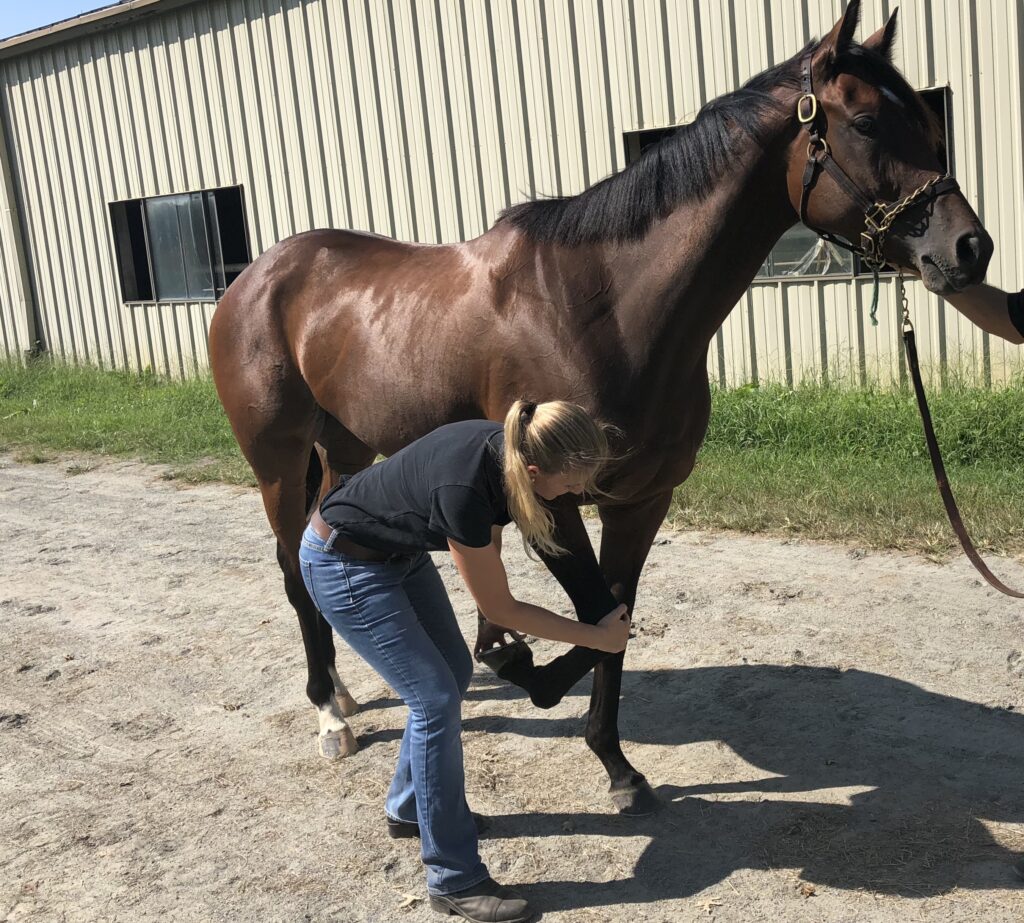
Helbig emphasized the importance of exposing young equestrians to the realities and rewards of working in equine health. When you engage students early and give them hands-on experience and access to veterinarians, she explained, you start planting the seeds. They might not all become vets, but they might become future trainers, barn managers, or animal health professionals.
“I think one of the big advantages of Pony Club is the emphasis on producing horsemen/women rather than just riders,” said Weber. “You can be the best rider in the world, but it’s tough to be a professional if you don’t know how to manage a barn or check a heart rate or spot early signs of a colicking horse. Pony Club helps young riders to acquire those skills, rather than to just rely on someone else to take care of it for them. Whether the goal is to be a veterinarian, trainer, rider, or any other equine professional, these are critical skills, and Pony Club offers one of the best-defined pathways to develop them.”
Ultimately, the partnership between Zoetis and USPC is an investment in the future of the equine industry. It aims to foster curiosity, build confidence, and create a strong foundation for a lifelong dedication to horse care.
Pony Club kids aren’t just learning a sport—they’re developing a passion that can last a lifetime, Helbig said, adding that, hopefully, some of them will go on to be the horse doctors the industry needs.
Related Reading
- The Top Factors Influencing Equine Veterinarians’ Job Satisfaction
- Equine Veterinary Sustainability: What Equine Vet Students, New Grads, and Interns Need
- Understanding the Next Generation of Veterinarians
Stay in the know! Sign up for EquiManagement’s FREE weekly newsletters to get the latest equine research, disease alerts, and vet practice updates delivered straight to your inbox.