17 More EIA-Positive Horses In Texas

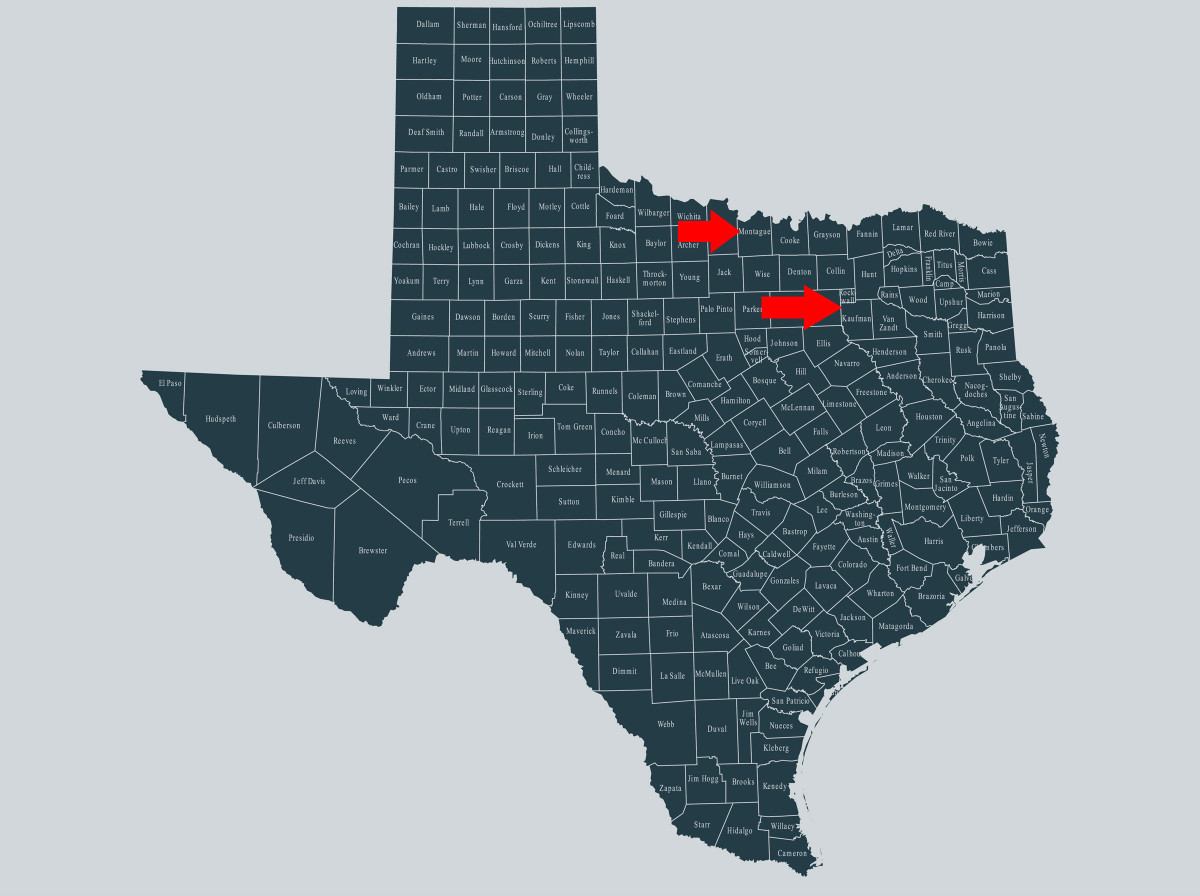
Sixteen positive EIA horses confirmed on one premises in Kaufman County and one horse was positive on a property in Montague County.

EIA was confirmed in 16 Quarter Horses in Kaufman County and one Quarter Horse in Montague County in Texas. iStock

The Texas Animal Health Commission (TAHC) confirmed equine infectious anemia (EIA) in 17 Texas Quarter Horses in two counties.

Sixteen Quarter Horses tested positive on one Kaufman County, Texas, premises. The premises will remain under quarantine until requirements for release have been met. TAHC staff is working closely with owners and veterinarians to monitor potentially exposed horses and implement biosecurity measures.

In Montague County, the TAHC confirmed EIA in one Quarter Horse. The premises will remain under quarantine until requirements for release have been met. TAHC staff is working closely with owners and veterinarians to monitor potentially exposed horses and implement biosecurity measures

Information for this article was supplied by the Equine Disease Communication Center.
categories
tags
Trending Articles
Ausblick
1 Confirmed, 5 Suspected Pigeon Fever Cases in Oregon
snotty-nose-closeup-VET-07-0820-C5C1-015Amy-Dragoo-1000
Disease Du Jour: Managing Equine Strangles Outbreaks 
scrub-hock-procedure-prep-Amy-Dragoo-STK-20-0520-C1Ca-074-1000
Survey Reveals Changing Sentiments Toward IA Corticosteroids Among Equine Veterinarians
Veterinarian examines horse with stethoscope during medical training
The Business of Practice: The Ethics of Equine Emergency Care
POLLS AND SURVEYS
Newsletter
Get the best from EquiManagement delivered straight to your inbox once a week! Topics include horse care, disease alerts, and vet practitioner updates.

"*" indicates required fields

This field is for validation purposes and should be left unchanged.
Name*
Country*

Additional Offers

Untitled
EquiManagement
Privacy Overview

This website uses cookies so that we can provide you with the best user experience possible. Cookie information is stored in your browser and performs functions such as recognising you when you return to our website and helping our team to understand which sections of the website you find most interesting and useful.