California Horse Premises Has Additional EHV-1 Death

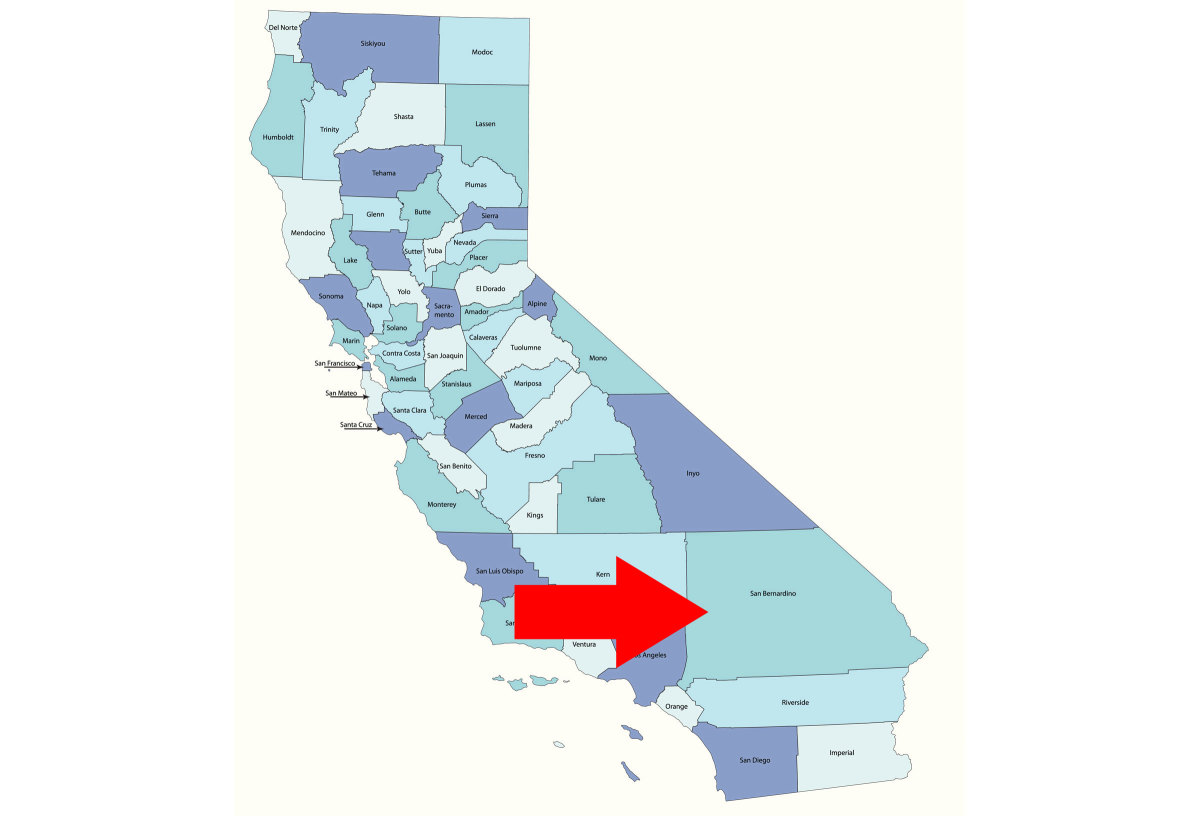
Two horses at a premises in San Bernardino County, California, now have been euthanized due to severe neurologic equine herpesvirus.

Two horses at a premises in San Bernardino County, California, now have been euthanized due to severe neurologic equine herpesvirus. iStock/HagenCD

An outbreak update from the California Department of Food and Agriculture has stated that the premises in San Bernardino County that had a confirmed neurologic herpesvirus case that occurred in late October now has an additional case. The initial horse was euthanized.

Among the 20 horses that were exposed on that premises, another horse has been confirmed positive for neurologic EHV-1 (equine herpesvirus myeloencephalopathy or EHM) and has been euthanized.

That second horse was a 22-year-old Paint gelding, which was euthanized due to the severity of clinical signs.

Three additional febrile horses on the premises have been confirmed positive for EHV-1. The California Department of Food and Agriculture continues to monitor the situation.

Information for this report was provided by the Equine Disease Communication Center.
categories
tags
Trending Articles
[Aggregator] Downloaded image for imported item #18385
Michigan Colt Tests Positive for Strangles
[Aggregator] Downloaded image for imported item #18386
2 Connecticut Horses Test Positive for Strangles
Equine dentist
Perspectives on Entering Equine Practice
Researchers use a rasp line to measure growth
Field Study Links Balanced Diet With Omneity® to Improved Hoof Growth in Friesians
Newsletter
Get the best from EquiManagement delivered straight to your inbox once a week! Topics include horse care, disease alerts, and vet practitioner updates.

"*" indicates required fields

This field is for validation purposes and should be left unchanged.
Name*
Country*

Additional Offers

Untitled
EquiManagement
Privacy Overview

This website uses cookies so that we can provide you with the best user experience possible. Cookie information is stored in your browser and performs functions such as recognising you when you return to our website and helping our team to understand which sections of the website you find most interesting and useful.