Equine Viral Arteritis in PEI
Multiple newborn foals in Queens County have died due to this outbreak.
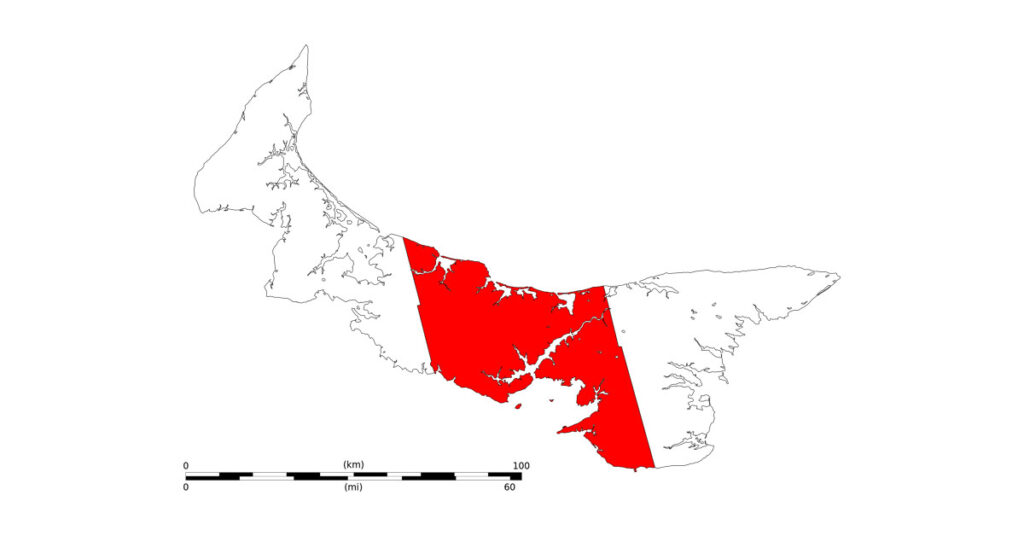
Twelve horses in Queens County, Prince Edward Island, were confirmed positive for equine viral arteritis, and multiple newborn foals have died in this outbreak.
Twelve horses in Queens County, Prince Edward Island, were confirmed positive for equine viral arteritis, and multiple newborn foals have died in this outbreak. | Wikimedia Commons

Twelve horses in Queens County, Prince Edward Island, were confirmed positive for equine viral arteritis (EVA). The EVA-positive horses that died in this outbreak were all newborn foals with severe interstitial pneumonia. Investigation is ongoing. 

EDCC Health Watch is an Equine Network marketing program that utilizes information from the Equine Disease Communication Center (EDCC) to create and disseminate verified equine disease reports. The EDCC is an independent nonprofit organization that is supported by industry donations in order to provide open access to infectious disease information.


Brought to you by Boehringer Ingelheim, The Art of the Horse
categories
tags
Trending Articles
Horse Stomach Getty
New Medication Shows Promise for Treating Equine Gastric Ulcer Syndrome
1-s2
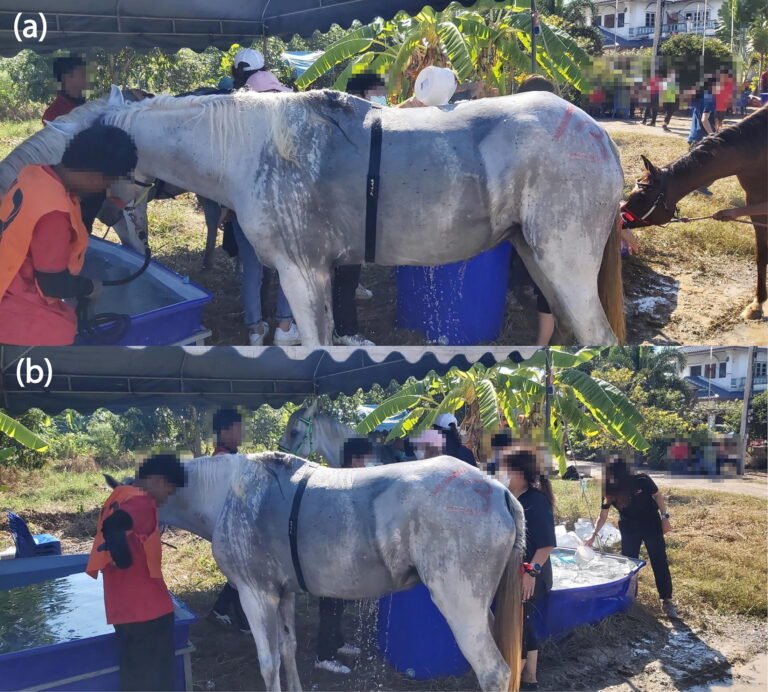
Research Spotlight: Preventing Heat Stress in Athletic Horses 
vial with clear drug solution and a syringe
The Business of Practice: The AAEP Advocacy Network and Veterinary Regulatory Developments
EQM_RingReadySweepstakes_940 x 535 (1)
Ring Ready Sweepstakes
Newsletter
Don’t miss an important EDCC Health Alert! Get alerts delivered straight to your inbox by signing up for EquiManagement’s newsletter.

"*" indicates required fields

This field is for validation purposes and should be left unchanged.
Name*
Country*

Additional Offers

Untitled

Sign up for EDCC Health Watch text alerts to get notified when an equine disease outbreak is reported in your state or region.

EquiManagement

Privacy Overview

This website uses cookies so that we can provide you with the best user experience possible. Cookie information is stored in your browser and performs functions such as recognising you when you return to our website and helping our team to understand which sections of the website you find most interesting and useful.