Missouri Horse Positive for Salmonellosis
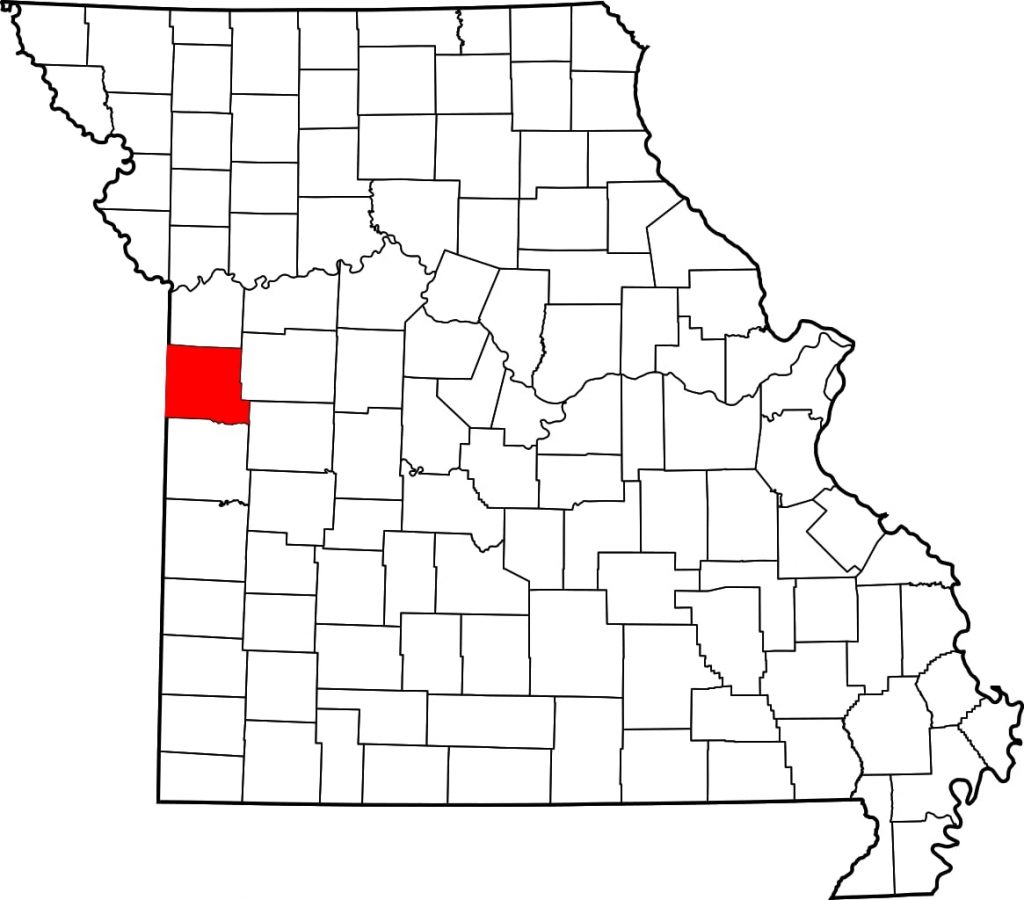
A horse at a boarding farm in Cass County, Missouri, is positive for salmonellosis and under voluntary quarantine.
A horse at a boarding farm in Cass County, Missouri, is positive for salmonellosis and under voluntary quarantine. Wikimedia Commons

A horse in Cass County, Missouri, is positive for salmonellosis, a contagious and zoonotic bacterial infection caused by Salmonella spp, which causes enterocolitis. The horse resides at a boarding facility, and it is unknown how many horses are exposed.

Clinical signs of salmonellosis include diarrhea, fever, lethargy, anorexia, colic, localized infection and sepsis. Foals are often more seriously affected than older horses.

Diagnosis requires fecal culture, PCR testing or sample submission. Treatment involves IV fluids and electrolyte replacement.

EDCC Health Watch is an Equine Network marketing program that utilizes information from the Equine Disease Communication Center (EDCC) to create and disseminate verified equine disease reports. The EDCC is an independent nonprofit organization that is supported by industry donations in order to provide open access to infectious disease information.

Brought to you by Boehringer Ingelheim, The Art of the Horse

categories
tags
Trending Articles
Thoroughbred racing
New Technology Could Help Reduce Fatal Injuries in Horse Races
Veterinarian injects a horse's fetlock
Horse Handling Techniques for Safer Nerve Blocks 
Pferdeportrait eines sanften Haflingers mit langer offener Mähne high key mit weißem Hintergrund
Disease Du Jour: Ocular Squamous Cell Carcinoma 
Around the Barn, Farrier
Thrush-Prone Horses: Building a Maintenance Plan for Clients 
Newsletter
Don’t miss an important EDCC Health Alert! Get alerts delivered straight to your inbox by signing up for EquiManagement’s newsletter.

"*" indicates required fields

This field is for validation purposes and should be left unchanged.
Name*
Country*

Additional Offers

Untitled

Sign up for EDCC Health Watch text alerts to get notified when an equine disease outbreak is reported in your state or region.

EquiManagement
Privacy Overview

This website uses cookies so that we can provide you with the best user experience possible. Cookie information is stored in your browser and performs functions such as recognising you when you return to our website and helping our team to understand which sections of the website you find most interesting and useful.