Equine Strangles in Chisago County, Minnesota

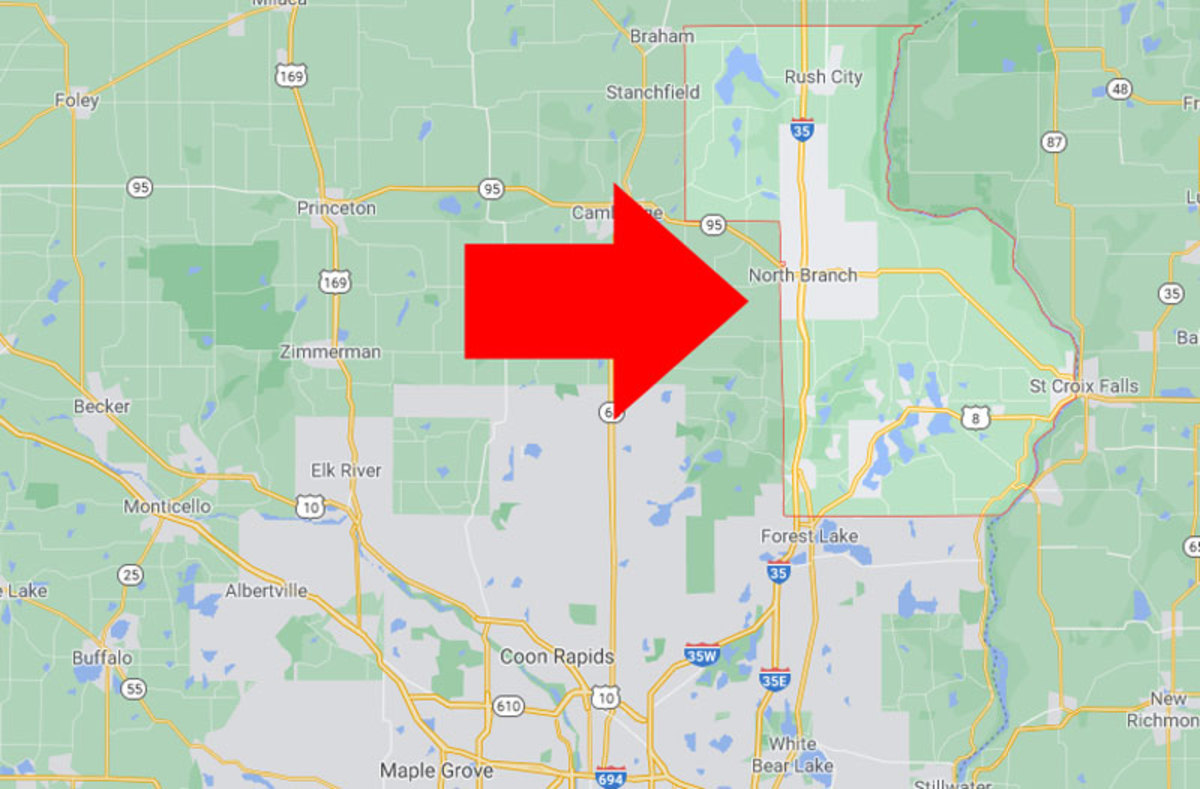
An attending veterinarian confirmed a case of equine strangles at a boarding facility in Chisago County, Minnesota, where two other horses are suspected of having the disease.

An attending veterinarian confirmed a case of equine strangles at a boarding facility in Chisago County, Minnesota, where two other horses are suspected of having the disease. Google maps

An attending veterinarian confirmed a case of equine strangles at a boarding facility in Chisago County, Minnesota. Two other horses at the facility are suspected of having strangles.

The confirmed case was an 11-yea=old Quarter horse gelding that had onset of clinical signs on April 2 that included decreased appetite, edema, fever, lethargy and swollen submandibular lymph nodes. The horse was confirmed with equine strangles on April 7. He was affected and alive at the time of this report.

For more information on equine strangles read this AAEP Fact Sheet.

Information for this report was provided by the Equine Disease Communication Center.
categories
tags
Trending Articles
Horse hoof, ready for mounting on horseshoe
Treading Lightly: Managing the Thin-Soled Horse
Jockey Breezing a Thoroughbred Race Horse for Exercise on a Sunny Day
Butyrate in the Gut Microbiota Might Enhance Equine Performance  
Derazil 3: Veterinarian cleaning and sterilizing granulating wound on hind leg of thoroughbred horse with iodine
Early Career Insights: How Equine Vets Can Develop Foundational Skills
Girl riding a horse
How to Plan a Ridden Rehabilitation Program for Horses
Newsletter
Get the best from EquiManagement delivered straight to your inbox once a week! Topics include horse care, disease alerts, and vet practitioner updates.

"*" indicates required fields

This field is for validation purposes and should be left unchanged.
Name*
Country*

Additional Offers

Untitled
EquiManagement
Privacy Overview

This website uses cookies so that we can provide you with the best user experience possible. Cookie information is stored in your browser and performs functions such as recognising you when you return to our website and helping our team to understand which sections of the website you find most interesting and useful.