Kentucky Reports First 2020 WNV Equine Case

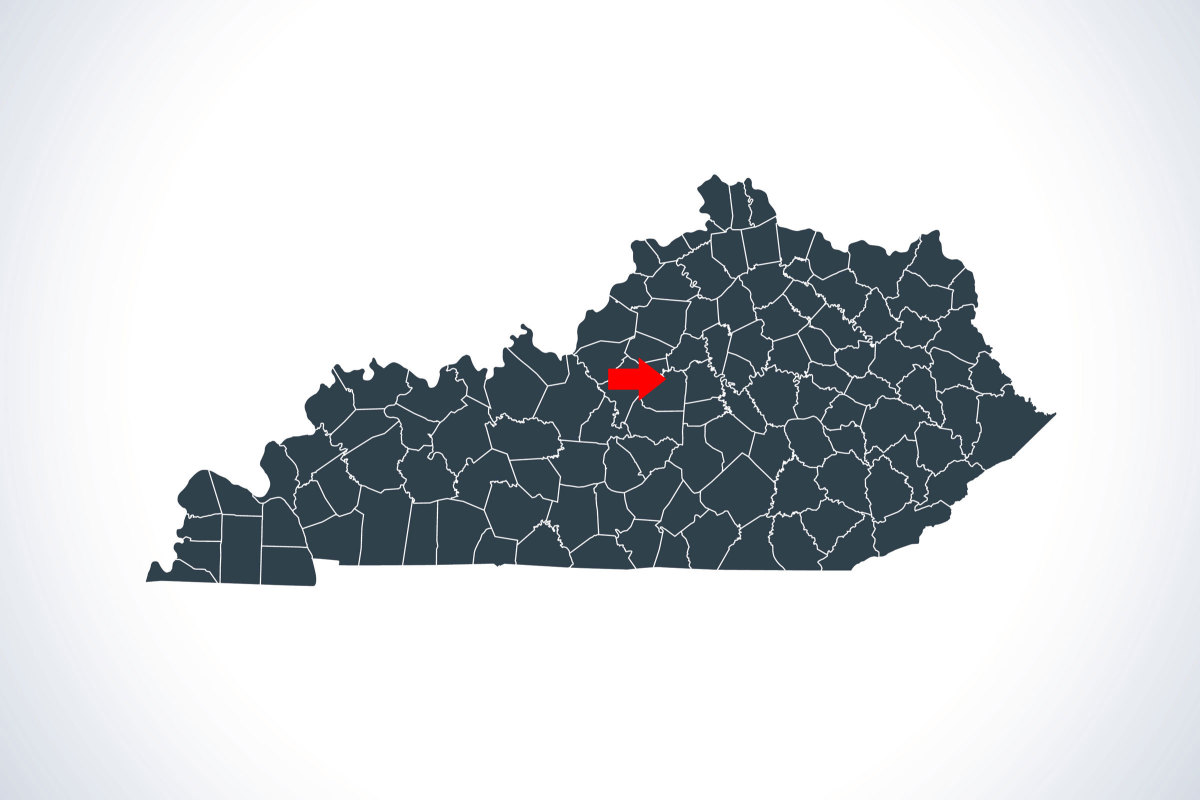
An unvaccinated gelding in Washington County was the first reported West Nile virus (WNV) case in Kentucky for 2020.

The first Kentucky equine West Nile virus case for 2020 was in Washington County. iStockj

Results of diagnostic testing reported on September 15 by the University of Kentucky’s Veterinary Diagnostic Laboratory confirmed the state’s first equine diagnosed with West Nile Virus in Kentucky this year, according to Rusty Ford, Equine Operations Consultant with the Kentucky State Veterinarian’s office.

The confirmation is based on detectable West Nile virus-specific IgM antibodies and compatible clinical symptoms.

The 15-year-old unvaccinated Quarter Horse gelding in Washington County had onset of clinical signs on September 8, including being hypersensitive to touch and knuckling over. On September 15, the gelding was described by the attending veterinarian as having responded to treatment and was much improved with a favorable prognosis.

The Kentucky Department of Agriculture’s web page will be updated to reflect this first equine case. Current and historical summaries can be found by visiting this website

categories
tags
Trending Articles
[Aggregator] Downloaded image for imported item #18216
EHV-1 Outbreak Update: New Case Confirmed in Oklahoma
Portrait of a horse at the zoo
Updates on SGLT2 Inhibitors for Horses
hock joint injection
Systemic and Intra-Articular Therapies for Lame Horses
Warmblood on its pasture on a summer day
Diagnosing Performance-Limiting Muscle Diseases in Horses
Newsletter
Get the best from EquiManagement delivered straight to your inbox once a week! Topics include horse care, disease alerts, and vet practitioner updates.

"*" indicates required fields

This field is for validation purposes and should be left unchanged.
Name*
Country*

Additional Offers

Untitled
EquiManagement
Privacy Overview

This website uses cookies so that we can provide you with the best user experience possible. Cookie information is stored in your browser and performs functions such as recognising you when you return to our website and helping our team to understand which sections of the website you find most interesting and useful.