Vesicular Stomatitis in Two Additional New Mexico Horses

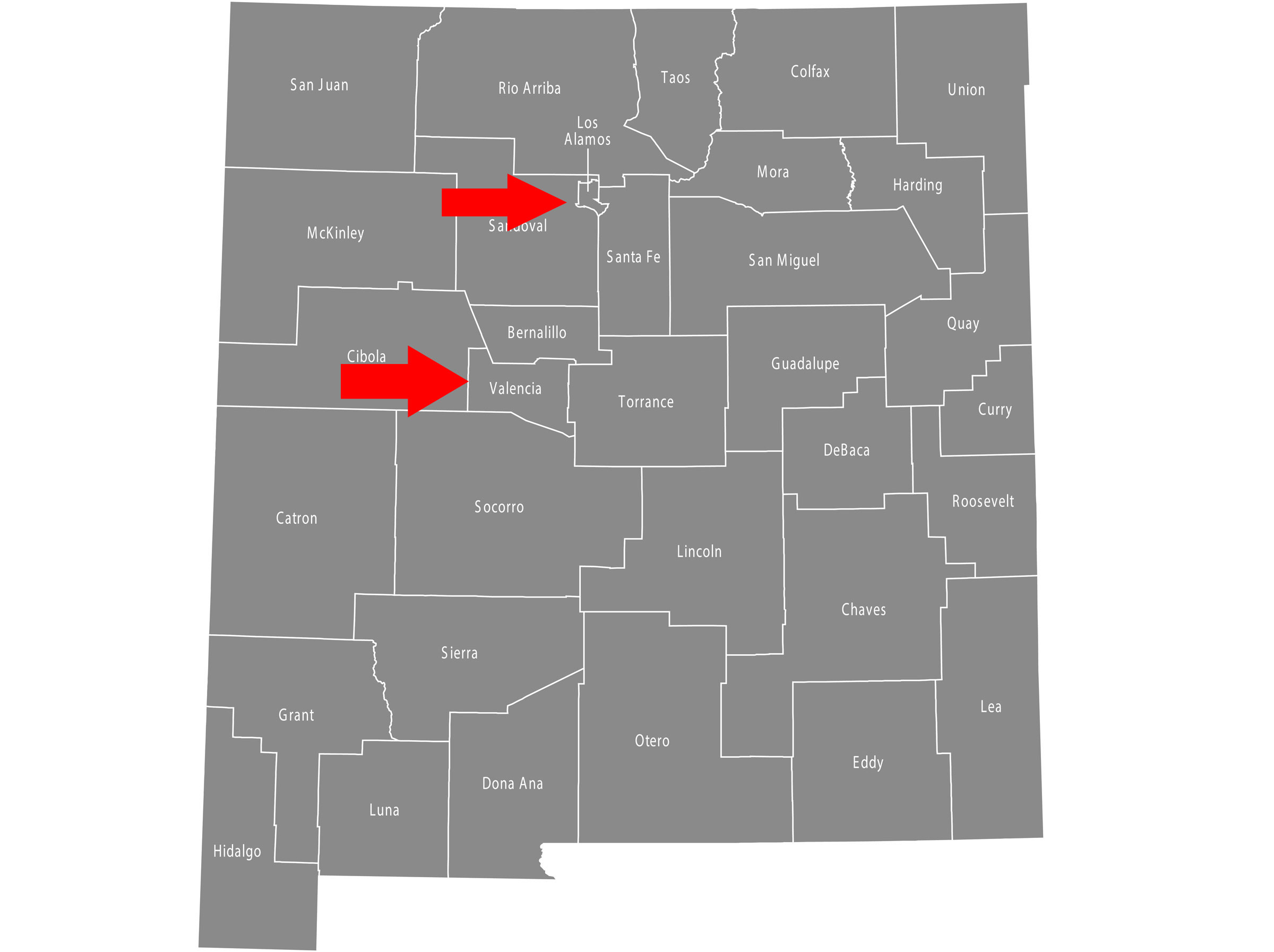
Horses in Los Alamos and Valencia Counties in New Mexico have tested positive for vesicular stomatitis.

Horses tested positive for vesicular stomatitis in Los Alamos and Valencia Counties in New Mexico. iStock/prospective56

Vesicular stomatitis was reported in two horses on a single premises in Sandoval County, New Mexico, on June 27. On July 5, two additional horses were reported to have been confirmed positive for vesicular stomatitis. One was in Los Alamos County and the other was in Valencia County.

Both horses had lesions caused by vesicular stomatitis on their ears, sheaths and ventral abdomens.

The New Mexico state veterinarian’s office suggested that if you plan to travel with your horses that you have your veterinarian check with the destination state for health certificate modifications due to vesicular stomatitis virus. For more information from New Mexico visit this page

For more info about vesicular stomatitis, visit this page on the American Association of Equine Practitioners’ website.

Information for this article was provided by the Equine Disease Communication Center.
categories
tags
Trending Articles
foal sleeping
Important Updates on Diagnosing and Treating Foal Sepsis
Equine Veterinarian pre purchase exam sound horse
The Cost of Public Judgment in Veterinary Medicine
Researchers use a rasp line to measure growth
Field Study Links Balanced Diet With Omneity® to Improved Hoof Growth in Friesians
dressage gray horse from behind
Research on Arthroscopy of the Equine Stifle
Newsletter
Get the best from EquiManagement delivered straight to your inbox once a week! Topics include horse care, disease alerts, and vet practitioner updates.

"*" indicates required fields

This field is for validation purposes and should be left unchanged.
Name*
Country*

Additional Offers

Untitled
EquiManagement
Privacy Overview

This website uses cookies so that we can provide you with the best user experience possible. Cookie information is stored in your browser and performs functions such as recognising you when you return to our website and helping our team to understand which sections of the website you find most interesting and useful.