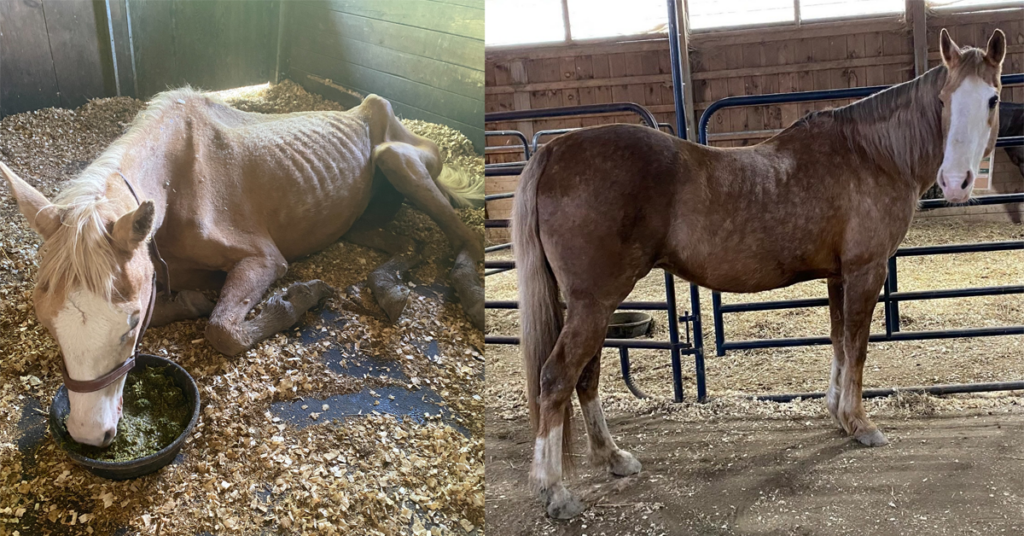
Alexandra Brunet, DVM, is a veterinarian at Vermont Large Animal Clinic as well as part of the team of hardworking individuals at MerryMac Farm Sanctuary, a haven for the area’s horses, donkeys, and farm animals. Her role at the sanctuary includes both herd-level management and individualized care for roughly 20 horses and donkeys. In this episode of Daily Vet Life, she shared the realities of rehabilitating severely starved horses.
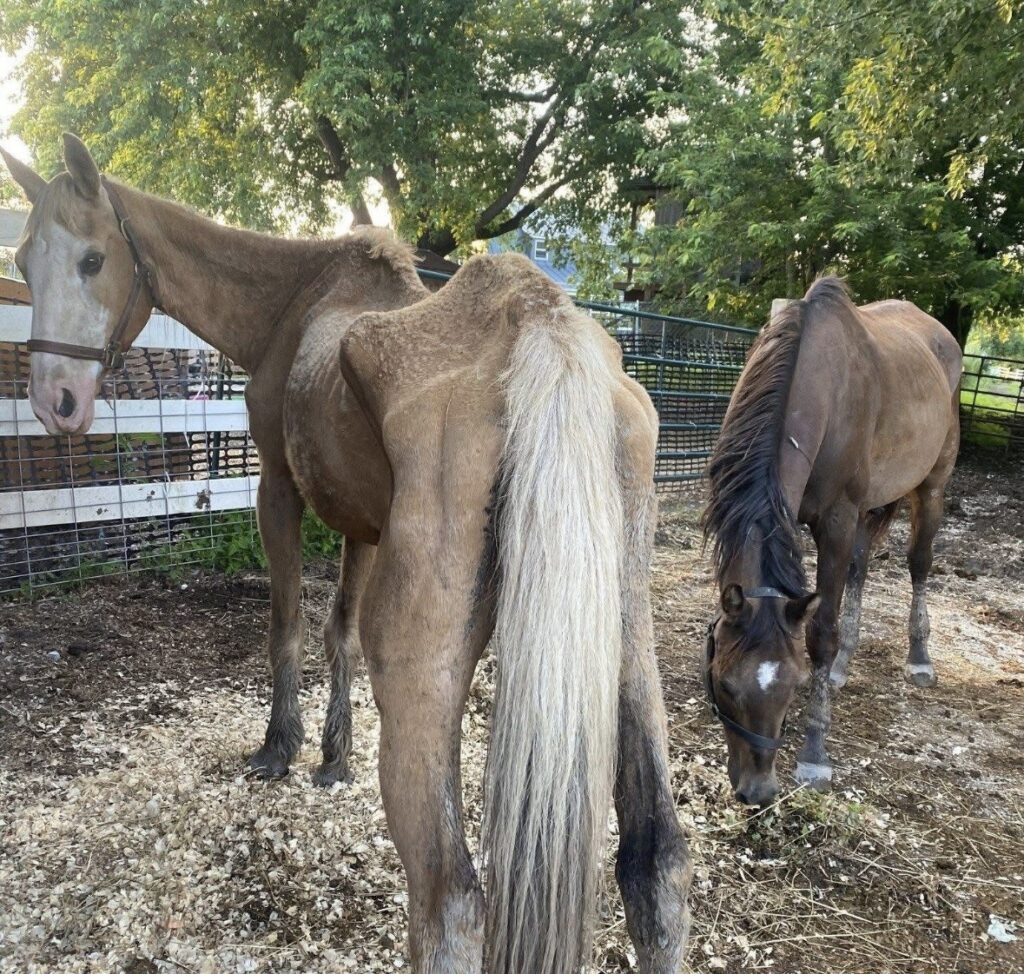
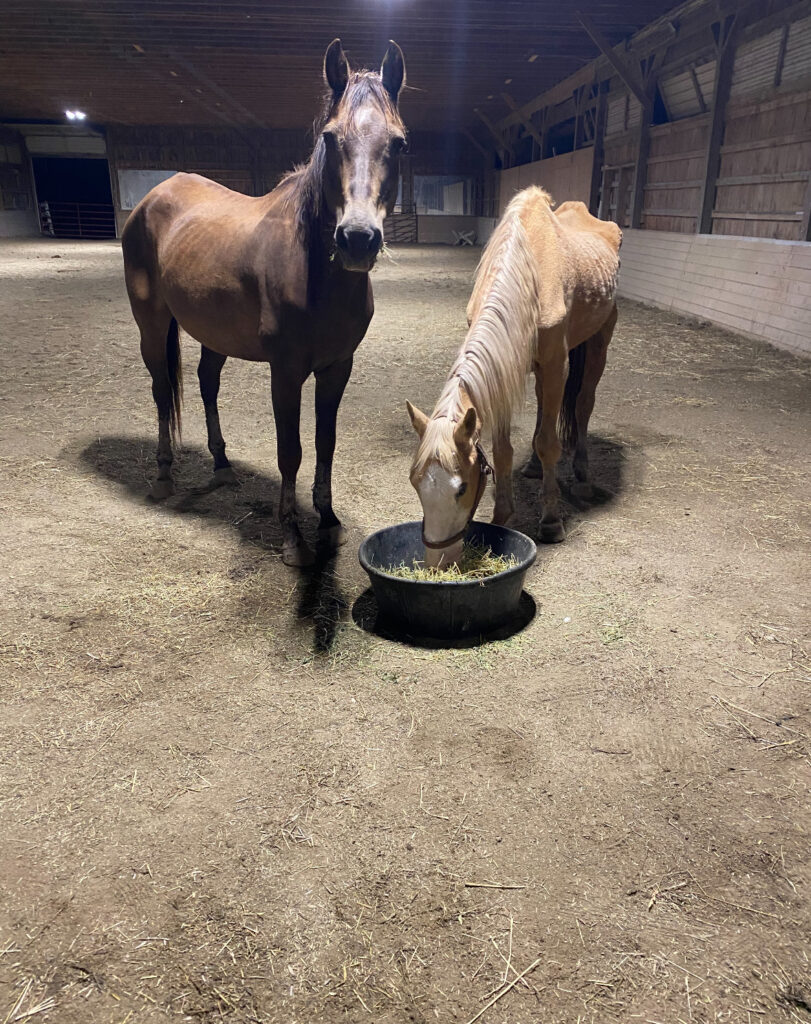
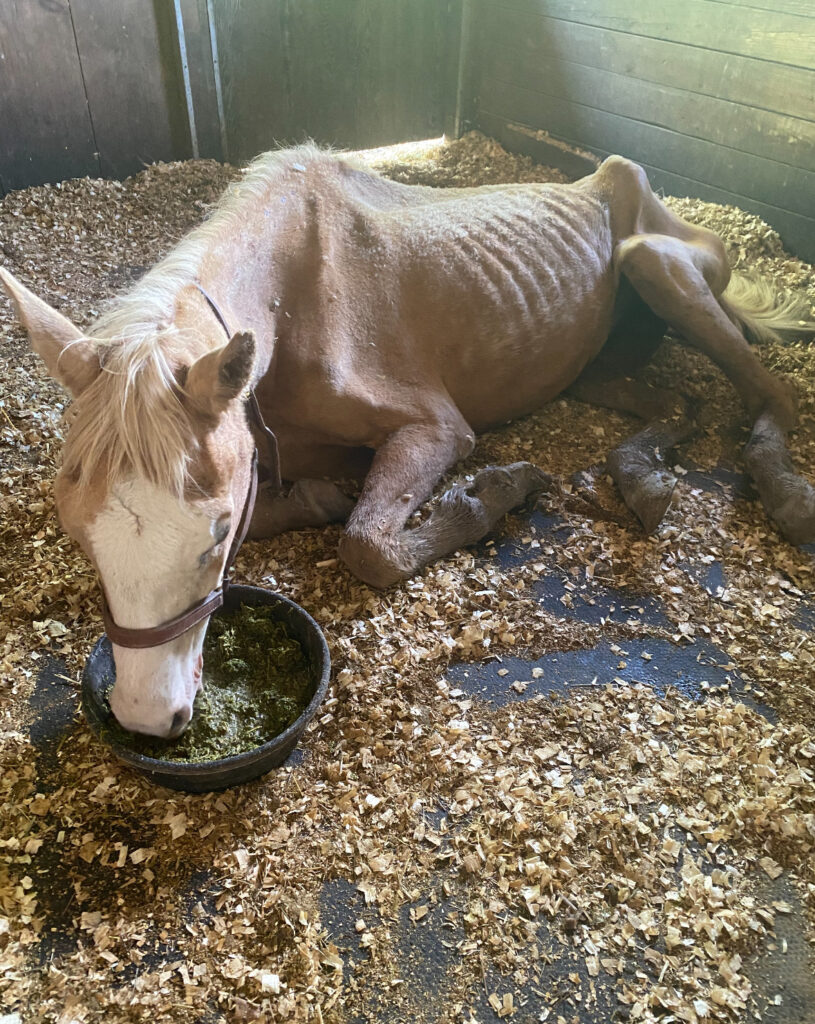
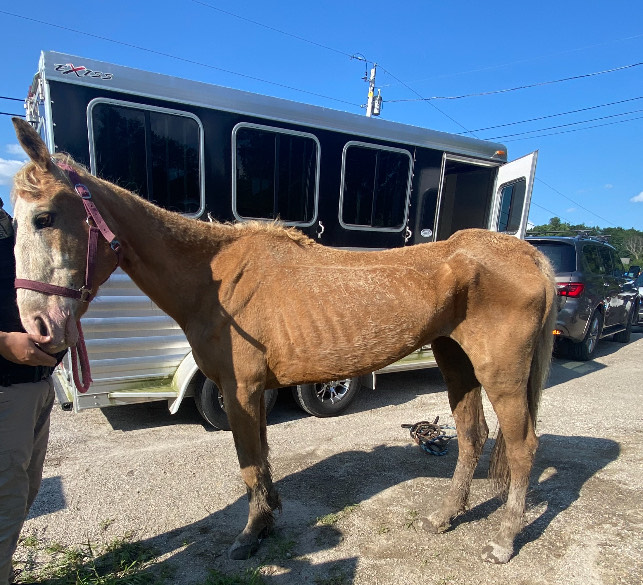
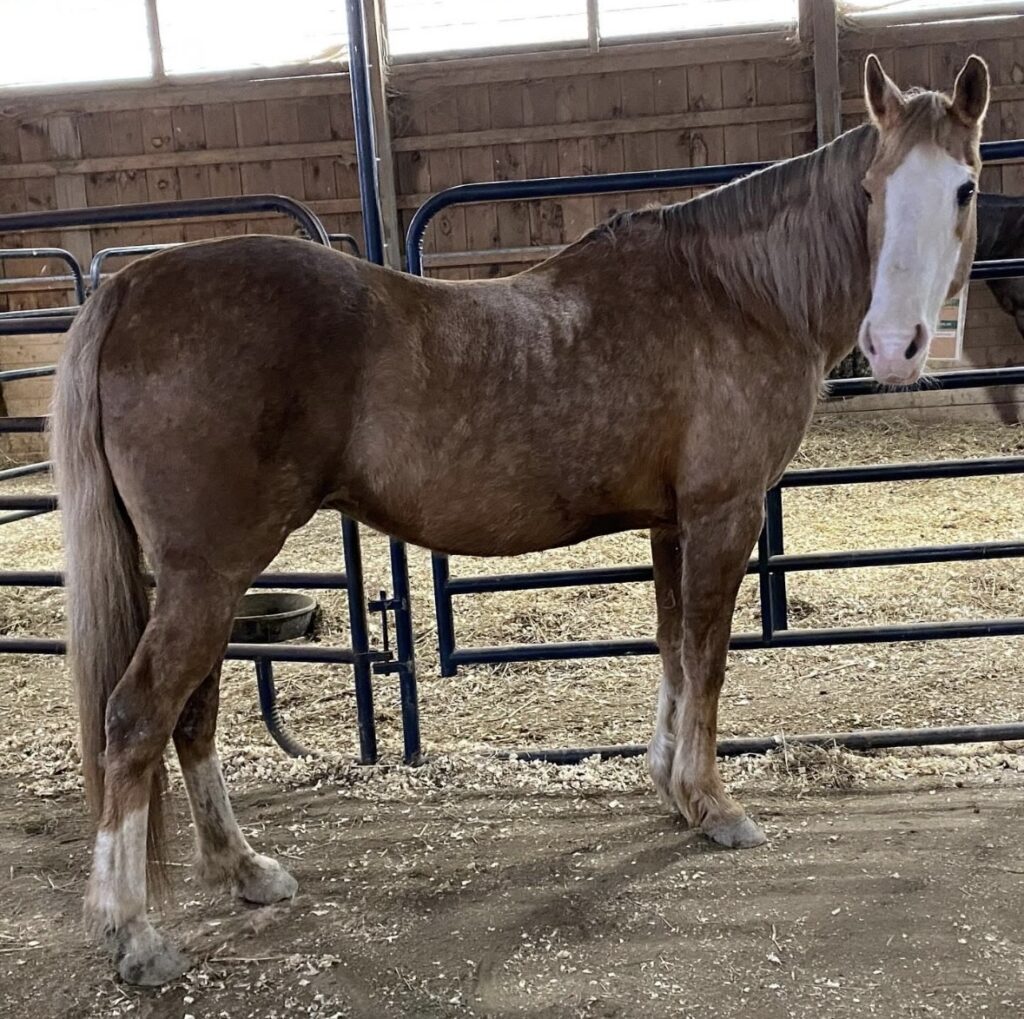
The conversation focuses on two notable cases: Honey and Romeo, aged horses that arrived at the sanctuary suffering from extreme starvation, with body condition scores of 1 and 2 out of 9 on the Henneke body condition scoring chart. Brunet described the severity of their condition upon intake, including profound weakness, heart murmurs, immune suppression, limb edema, dermatitis, and the need for intensive supportive care. She emphasized that starvation cases involve far more than weight loss, because prolonged malnutrition affects nearly every body system.
A central theme of the episode is the importance of slow, carefully managed refeeding. Brunet cautions against the instinct to “do everything at once,” explaining how damaged organs—particularly the heart and gastrointestinal tract—must be given time to recover. She outlines the sanctuary’s step-by-step refeeding protocol, beginning with small, frequent meals of alfalfa hay, chosen for its protein content and balanced electrolytes. Feeding schedules were initially as frequent as every four hours, gradually increasing volume while reducing frequency. Probiotics were also introduced to help restore gut health and prevent complications such as refeeding syndrome, a potentially fatal condition caused by feeding too much too quickly.
As Honey and Romeo stabilized, Brunet and the MerryMac Farm Sanctuary team were able to address further medical issues. Honey, in particular, had pituitary pars intermedia dysfunction and severe dental disease, which contributed to her difficulty gaining weight. Extensive dental abnormalities ultimately required multiple tooth extractions, leading to a lifelong hay-free diet. Brunet discussed the challenges of managing senior horses that cannot eat hay, including the need for frequent feedings of soaked beet pulp, hay pellets, and senior feed, as well as the financial and labor demands involved.
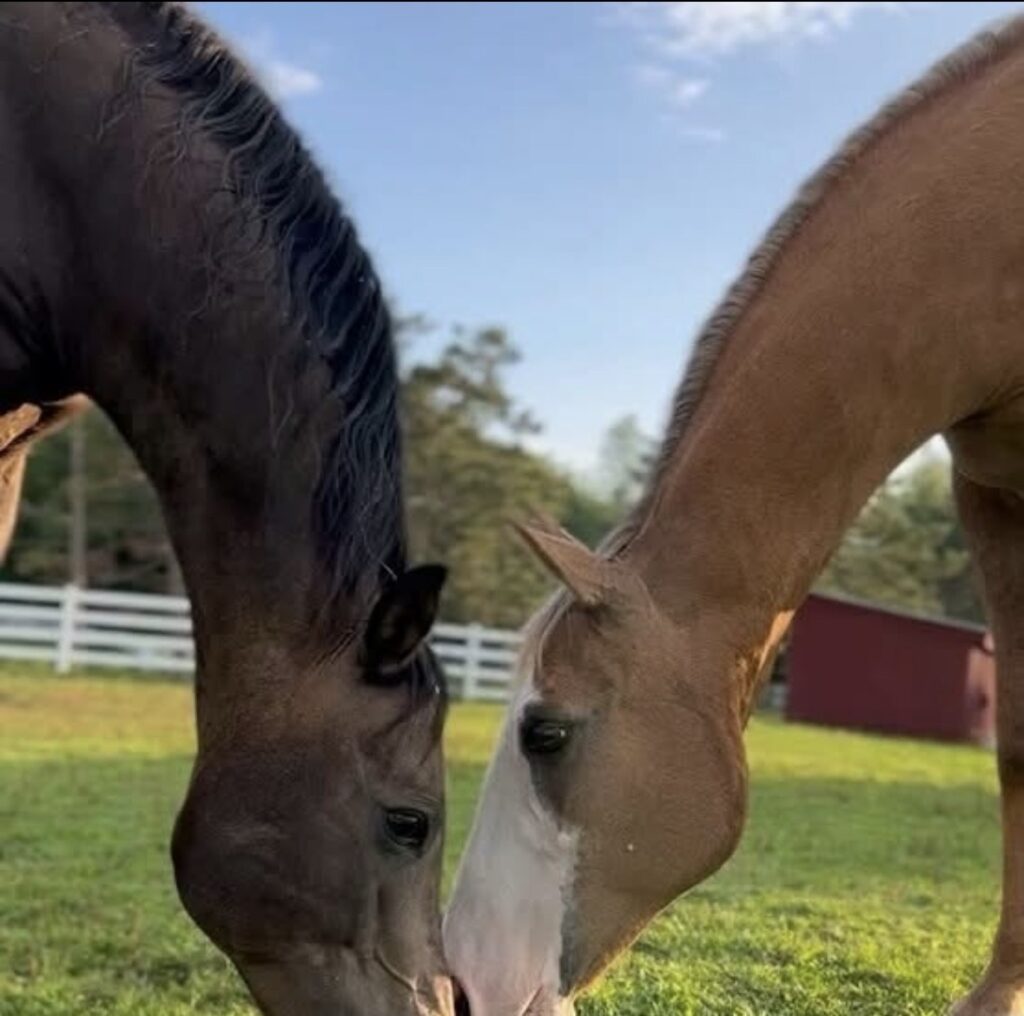
The episode concludes on a hopeful note, with both horses now thriving. Romeo has rebounded remarkably, while Honey continues to do well with ongoing dietary and medical management. Brunet emphasized that while starvation leaves lasting impacts, these horses can live happy, healthy lives with proactive care. Her key advice to veterinarians and owners alike is to take your time, stay patient, and trust that steady, thoughtful care can lead to rewarding outcomes.
About Dr. Alexandra Brunet
Alexandra Brunet, DVM, is a veterinarian at Vermont Large Animal Clinic, where she strives to provide compassionate and high-quality care to the horses of northern Vermont and New York. A graduate of Cornell University, Brunet has a special interest in geriatric medicine, internal medicine, and ophthalmology, with a focus on helping horses live comfortable, healthy lives at every stage. She believes that every horse—whether an elite athlete, a retired companion, or a neglected rescue—deserves thoughtful, individualized care. Brunet is also part of the team of hardworking individuals at MerryMac Farm Sanctuary, a haven for the area’s horses, donkeys, and farm animals, founded by Era MacDonald.
Related Reading
- Dr. Alexandra Brunet Wins 2025 Healing Hands Award
- Daily Vet Life: Breeding an Older Barren Mare
- Daily Vet Life: Surgical Correction of Wry Nose
Stay in the know! Sign up for EquiManagement’s FREE weekly newsletters to get the latest equine research, disease alerts, and vet practice updates delivered straight to your inbox.