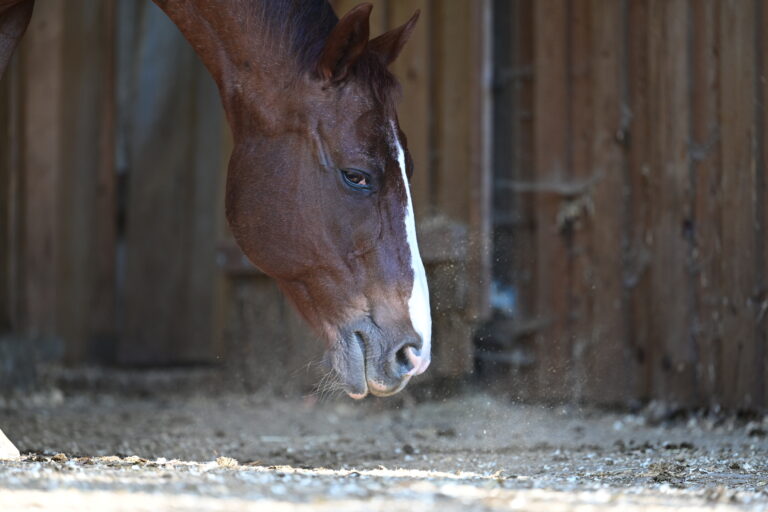
In this episode of the Disease Du Jour podcast, Laurie Lawrence, PhD, discussed nutrition for performance horses. She talked about energy sources, protein recommendations, digestive physiology, the role of supplements, and more.
This episode of Disease Du Jour is brought to you by Equithrive.
Energy Sources for Performance Horses
Lawrence emphasized that forage is one of the most important components of the performance horse’s diet. High-quality hay or pasture provides calories, supports gut health, and encourages natural chewing behavior, which is especially important for elite athletes with high energy demands. Moderately fibrous, soft, leafy forages allow horses to extract more usable energy while also increasing voluntary intake. “That means the less concentrate you have to depend upon,” she said.
When feeding concentrates, Lawrence recommends balancing energy sources. Starch remains important for providing glucose needed during performance, while added fat can safely increase energy density.
Protein Recommendations for Performance Horses
“Most performance horses don’t need a lot of protein, but they need protein that’s got a good array of amino acids,” Lawrence said. Corn, for example, is a low-quality source of protein that doesn’t have a good array of amino acids. Alternatively, soybean meal contains high-quality amino acids, “so we don’t have to feed very much of it to meet the protein needs,” she said.
Most commercial performance horse feeds fall between 11% and 14% crude protein, which is typically sufficient when fed at recommended amounts and paired with appropriate forage.
The Role of Supplements
Lawrence categorizes supplements into two groups: nutrient supplements and condition-specific supplements. Many essential nutrients, such as selenium, are already included in fortified commercial concentrates. In these cases, additional supplementation may be unnecessary.
Other supplements might be appropriate to manage certain conditions. Horses with poor hoof quality might benefit from biotin supplementation, while horses competing in hot environments mightrequire electrolytes to replace losses during events.
Impact of Digestive Physiology on Athletic Performance
The horse’s digestive anatomy plays an important role in their performance and health. The digestive tract has many twists and turns where food can get stuck. Therefore, adequate hydration is essential to prevent impactions. “We know that high-forage diets typically encourage drinking,” Lawrence said.
Meal size and frequency are important considerations. Performance horses often benefit from multiple small concentrate meals spread throughout the day rather than one or two large feedings. This is especially important for retired racehorses, which are used to frequent small meals at the track and might struggle to adjust to a two-meal-per-day feeding schedule.
Listen to the podcast episode to learn more about nutrition recommendations for performance horses.
About Dr. Laurie Lawrence
Laurie Lawrence, PhD (equine nutrition), is a professor of equine nutrition in the University of Kentucky’s Department of Animal and Food Sciences. Her research interests include nutrient requirements of broodmares and foals, nutrient requirements of exercising horses, equine digestive physiology, pasture and forage utilization, and equine exercise physiology.
Related Reading
- Beyond the Bale: Equine Hay Analysis
- The Effects of Adiposity and Weight on Equine Performance
- What Clients Want to Know About Hay
Stay in the know! Sign up for EquiManagement’s FREE weekly newsletters to get the latest equine research, disease alerts, and vet practice updates delivered straight to your inbox.