In this episode of The Business of Practice podcast, we talked with Nicki Wise, DVM, PhD, DACVIM (LAIM), about the distributive model in veterinary education.
In the past 10 years, most new veterinary programs have developed distributive clinical programs to provide the clinical educational component of a Doctor of Veterinary Medicine degree. Vet schools using a distributive model include Western University, Texas Tech University, University of Arizona, Long Island University, Clemson University, Lincoln Memorial University, Utah State University, and Arkansas State University. Almost all currently developing programs at new veterinary schools will have distributive clinical educational models. Many new international schools, particularly those in the U.K., have also developed distributive veterinary programs for clinical education.
Wise began by reviewing the history of clinical education, noting that the distributive model originated in the U.S. in the 1700s, when veterinary students apprenticed with farriers. The shift to large university hospitals for veterinary education began in the 1930s.
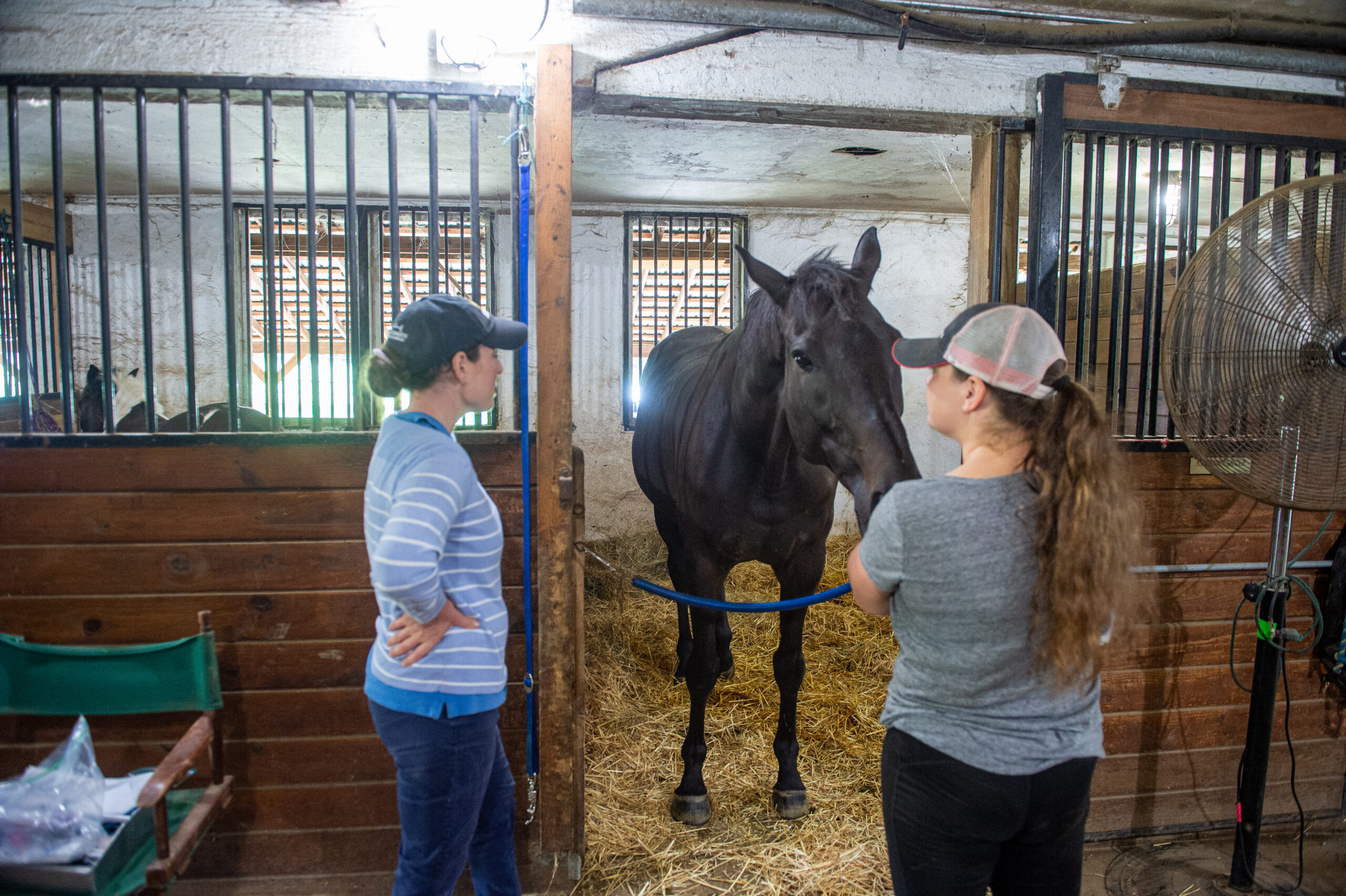
She continued by explaining how distributive rotations differ from traditional externships. They typically involve a formal agreement between the veterinary school and the participating practice, requiring the supervising veterinarian to assess the student’s progress. To be approved, practices must usually be inspected, and veterinarians must receive training. This can be a time-consuming process, but Wise said learning how to give effective feedback, sharing expectations clearly, and gaining new communication skills will likely strengthen the practice’s culture.
Most veterinary schools that utilize the distributive model give a stipend per student per week to the participating practices to offset the decreased efficiency of teaching while practicing. Wise emphasized the importance of students seeing “real life” as an equine veterinarian. Most veterinary schools use laboratory sessions teaching clinical skills on models before students move to live animals. When developing skills such as passing a nasogastric tube, having multiple repetitions on a model that stays still can build “feel” and confidence.
Wise concluded by stating that adults learn best by repetition in a safe space, and seeing many aspects of practice on their rotations will benefit students’ education.
About Dr. Nicki Wise
Nicki Wise, DVM, PhD, DACVIM (LAIM), is the Associate Dean of Academic Affairs at the new Clemson College of Veterinary Medicine, which admitted its first class in the fall of 2026. Wise grew up in Walterboro, South Carolina. After receiving a bachelor’s degree in biology from Winthrop University, she earned her DVM from the University of Georgia, followed by an internship at Texas A&M and an internal medicine residency and PhD from Washington State University. In 2014, she joined the faculty at St. George’s University School of Veterinary Medicine as an associate professor in the Department of Large Animal Medicine and Surgery. She was promoted to professor in 2019 and was later appointed to the role of Associate Dean of Year Four Clinical Training. She joined the Clemson College of Veterinary Medicine team in 2024.
Wise is married to Dr. Brian Butler, a fellow faculty member. They have two young daughters, one dog, and one horse.
Related Reading
- The New Educational Loan Environment for Veterinary Students
- Early Career Insights: How to Choose the Right Veterinary Internship Position
- Early Career Insights: How Equine Vets Can Develop Foundational Skills
Stay in the know! Sign up for EquiManagement’s FREE weekly newsletters to get the latest equine research, disease alerts, and vet practice updates delivered straight to your inbox.