More Equine Strangles in Palm Beach County, Florida

Florida reported its 42nd case of equine strangles for 2017.

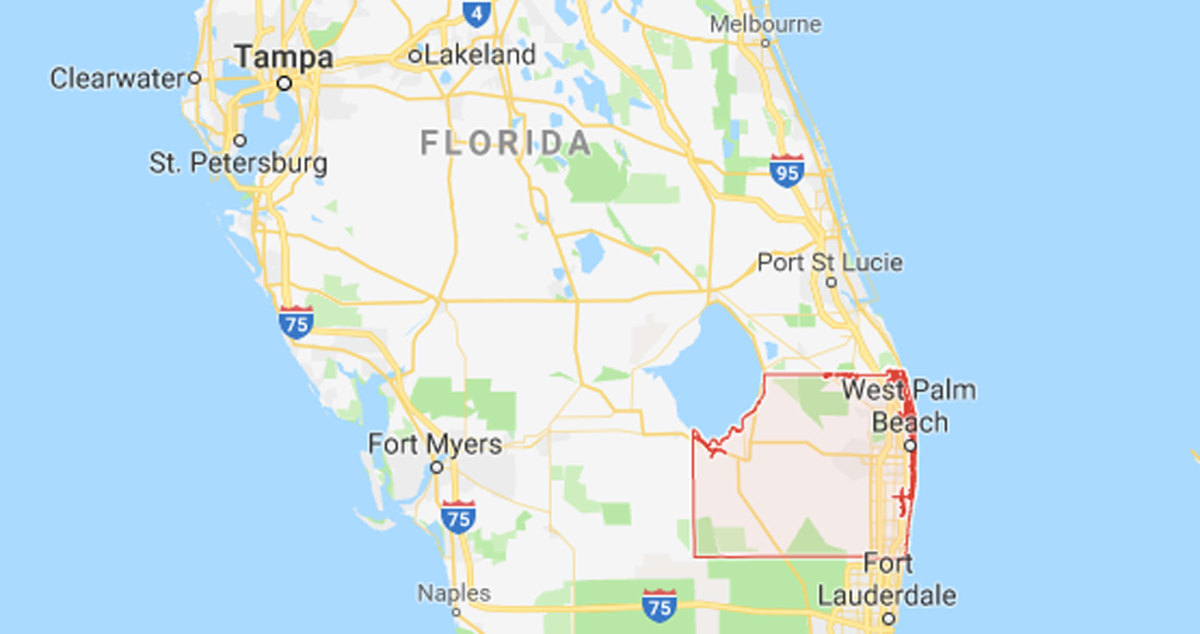
The sixth equine strangles case of 2017 was reported in Palm Beach County, Florida. Google Maps

According to the Florida Department of Agriculture and Consumer Services, on January 2, 2018, one premise in Palm Beach County, Florida, was placed under quarantine for clinical signs and positive PCR and culture confirmation of strangles. The index case became clinical on December 26, 2017. 

The clinical horse was obtained from a feedlot in Louisiana approximately five weeks ago and underwent a one-week quarantine in South Carolina immediately before arriving in Florida. This is the 6th strangles quarantine in Palm Beach County and the 42nd in the state of Florida for 2017.

The Equine Disease Communication Center (EDCC) works to protect horses and the horse industry from the threat of infectious diseases in North America. The communication system is designed to seek and report real time information about disease outbreaks similar to how the Centers for Disease Control and Prevention (CDC) alerts the human population about diseases in people.

categories
tags
Trending Articles
Horse Stomach Getty
New Medication Shows Promise for Treating Equine Gastric Ulcer Syndrome
1-s2
Research Spotlight: Preventing Heat Stress in Athletic Horses 
vial with clear drug solution and a syringe
The Business of Practice: The AAEP Advocacy Network and Veterinary Regulatory Developments
EQM_RingReadySweepstakes_940 x 535 (1)
Ring Ready Sweepstakes
POLLS AND SURVEYS
Newsletter
Get the best from EquiManagement delivered straight to your inbox once a week! Topics include horse care, disease alerts, and vet practitioner updates.

"*" indicates required fields

This field is for validation purposes and should be left unchanged.
Name*
Country*

Additional Offers

Untitled
EquiManagement

Privacy Overview

This website uses cookies so that we can provide you with the best user experience possible. Cookie information is stored in your browser and performs functions such as recognising you when you return to our website and helping our team to understand which sections of the website you find most interesting and useful.