Author’s note: Analysis of the effects of procedures and environmental stimulation on horse behavior is an important welfare topic in the equine industry. Relaxed and calm horses tend to be more tractable and willing to work with people, and not as readily provoked into displaying dangerous behaviors.
Horses are put into all kinds of unique situations, among them changing environments, the stress of herd dynamics or isolation, training, competition, transport, and veterinary and farrier procedures. At the 2016 International Society for Equitation Science, a presentation covered the use of classical music to reduce acute stress.
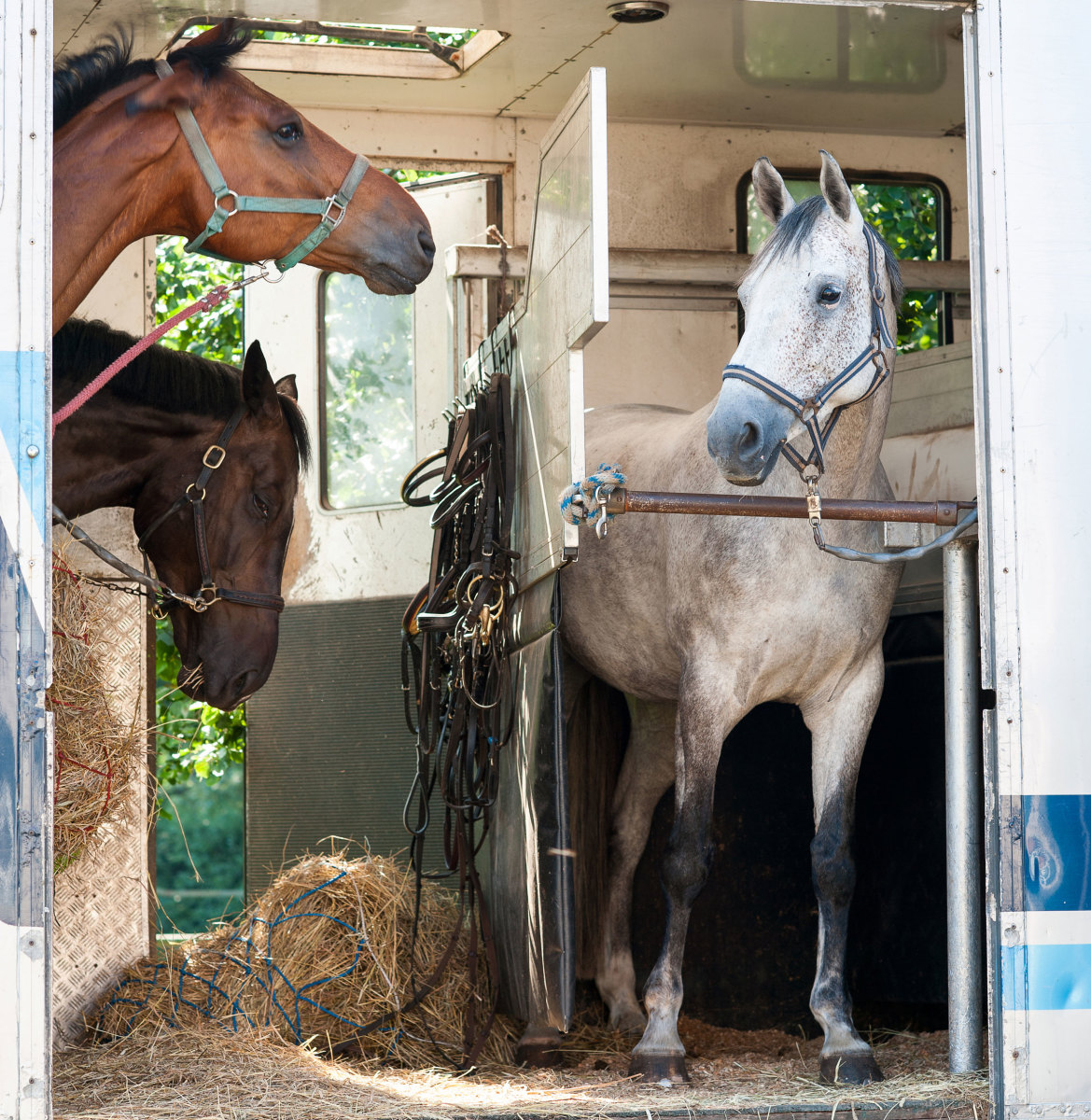
The horses in the study (Neveux, C., et al.) were exposed to stress situations of either short-term transport or farriery—24 horses in each group. The study played a classical song—Forrest Gump theme—into an in-ear device. Each horse underwent one of the two stress events under three different conditions; One playing music through an in-ear device, another using earplugs for sound attenuation, and a third “control” event.
Diffusion of classical music during transport decreased stress indicators such as ears laid back, and it also accelerated post-stress heart rate recovery. The same experiment with classical music applied to horses receiving farriery did not alter behavior, but it did improve heart rate recovery. Music delivered through an in-ear device did not induce discomfort or stress for the horses.
The researchers conclude that any technique that reduces stress improves horse welfare as well as human safety since non-stressed horses are less likely to exhibit dangerous behaviors.