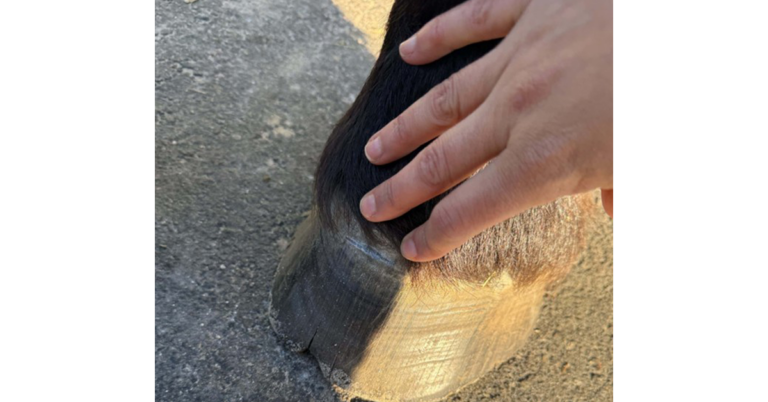
Thrush in horses is a degenerative, nonproliferative pododermatitis of the frog epidermis caused by anaerobic bacteria often combined with fungi. In its milder form, thrush causes a malodorous black discharge and degeneration of the frog, specifically the collateral sulci and/or central sulcus.
“In severe cases, microorganisms such as Bacteroides spp. and Fusobacterium necrophorum reach the underlying corium and digital cushion, causing discomfort and lameness,” says Stephen O’Grady, DVM, MRCVS, of Virginia Therapeutic Farriery, in Keswick.
Prevalence and Risk Factors
In a study by Holzhauer et al. (2017), thrush was the most common ailment affecting the feet of 942 horses examined by 21 certified farriers. Specifically, 45% of horses were diagnosed with thrush. Of those, 55.9% were considered mild cases while 9.4% were considered severe. Risk factors included straw bedding compared with mixed shavings (odds ratio = 0.6) and other bedding materials. Further, horses had a lower risk (odds ratio = 0.6) of thrush when maintained on pasture.
“Despite being so incredibly common, little is known about the pathogenesis, treatment, and prevention of thrush,” says O’Grady.
Indeed, Holzhauer et al. stated, “It is necessary to clarify further the influence of genetics, nutrition, and other factors on the prevalence of hoof disorders in horses.”
One overlooked factor that might contribute to thrush is hoof conformation.
“Thrush is rarely seen in horses with a healthy frog or in barefoot horses, suggesting that farriery practices can contribute to an unhealthy frog susceptible to thrush,” O’Grady explains.
Hoof Conformation and Thrush
A healthy frog is broad, firm, deformable, and fills the space between the heels of the hoof capsule, explains O’Grady. In the face of good structure and appropriate weight-bearing, the frog expands, dispelling accumulated dirt and debris from the sulci. Thus, a healthy frog is self-cleaning. When a frog is small and unhealthy, it loses function, and debris can accumulate.
As described in O’Grady’s 2024 review of thrush, a compromised frog can develop due to:
- Hoof capsule distortion such as long toe/low heel.
- Club foot.
- Sheared heels.
- Inappropriate routine farrier practices.
“When the frog is not on the same horizontal plane as the hoof wall at the heels, it will not contact the ground,” he says. “This reduces stimulation from the ground, causing the frog to atrophy.” As the frog recedes, debris accumulates and places undue pressure on the already compromised structure.
The debris creates a breeding ground for bacterial and fungal organisms to proliferate and thrush to develop.
A Thrush-Proof Plan
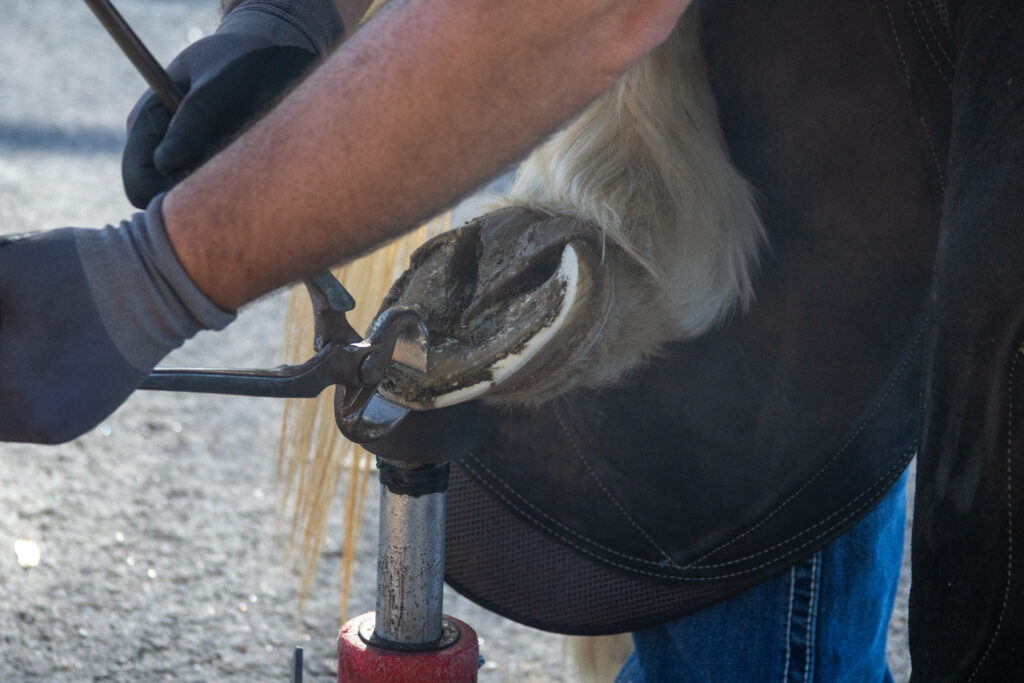
To help prevent thrush, ensure horses have appropriate bedding and dry, hygienic conditions—remove urine- and manure-soiled bedding promptly. Daily foot care should include vigorous hoof picking and cleaning with a wire brush. Daily exercise and turnout can help improve or maintain the hooves’ normal physiology.
In the face of thrush, O’Grady recommends a three-prong approach:
- Improve any hoof capsule distortion.
- Correct conformation of the palmar/plantar foot.
- Restore a healthy frog.
“Thrush will never be resolved as long as the frog remains recessed below the ground surface of the foot,” he says.
Evaluate the hoof capsule to identify the cause of the compromised frog. Long toe/low heel, club foot, or sheared heels, for example, must be addressed and corrected. If possible, give the horse time off from work, and remove the shoes so the horse spends a period of time barefoot.
“The goal is to trim the heels to the same horizontal plane as the frog without compromising other hoof structures,” says O’Grady.
Only when combined with appropriate trimming will topical medications be effective.
Medical therapy can include soaking the foot in Epsom salts (magnesium sulfate) and applying topical antiseptics/astringents such as 2% tincture of iodine, chlorhexidine, or copper sulfate solutions daily. Allow the antiseptics/astringents to penetrate the fissure, and pack it with cotton or folded gauze.
Although some recommendations for topical antibiotics still circulate, O’Grady assures us that they are unnecessary (aligning with antimicrobial stewardship). He also does not recommend treatment-plate shoes or frog pads.
“Frog pads impede accessibility to the frog for daily cleaning and maintenance and also put pressure on an unhealthy structure,” he explains.
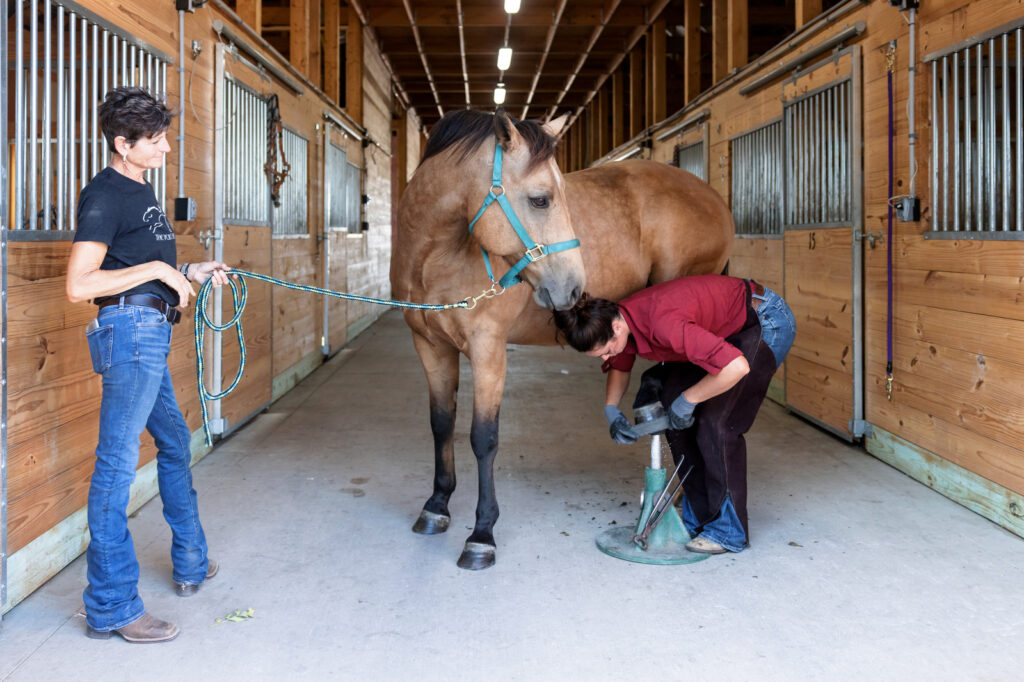
From there, routine farriery should be performed every four to five weeks to maintain appropriate foot conformation and frog health.
Conclusion
In summary, O’Grady says a horse’s care team can improve or resolve even tricky thrush cases by debriding the frog’s necrotic tissue and improving structural integrity in the palmar/plantar foot through appropriate farriery.
“This eliminates anaerobic conditions, and bacterial growth will decrease,” says O’Grady. “Prevention is always superior to treatment, emphasizing the importance of good basic farriery.”
This article is brought to you by Absorbine.
Related Reading
- White Line Disease in Horses
- Recognizing Early Lamellar Structural Failure in Performance Horses
- Horses With Uneven Feet: Causes, Assessment, and Management
Stay in the know! Sign up for EquiManagement’s FREE weekly newsletters to get the latest equine research, disease alerts, and vet practice updates delivered straight to your inbox.