Osteoarthritis (OA) remains the leading cause of lameness in horses, affecting an estimated 80% of horses older than 15. Characterized by progressive cartilage degeneration and joint inflammation, OA can be challenging to manage, particularly in horses requiring long-term soundness. Among the available disease-modifying osteoarthritis drugs (DMOADs), pentosan polysulfate (PPS) has gained attention for its multifaceted mechanisms and growing body of supporting research, said Grace Hunt, DVM, resident at Colorado State University’s College of Veterinary Medicine, in Fort Collins, during her sunrise session at the 2025 American Association of Equine Practitioners Convention, held Dec. 6-10 in Denver, Colorado.
Pentosan polysulfate is a semi-synthetic polysulfated polysaccharid product approved by the U.S. Food and Drug Administration in 2022 for intramuscular use in horses. Unlike therapies that only target symptom relief, PPS is also intended to influence the disease process itself by supporting cartilage metabolism and joint health.
Understanding PPS’s Mechanism of Action in Horses
Articular cartilage consists of chondrocytes embedded in an extracellular matrix (ECM) rich in proteoglycans, which play a critical role in the structure and function of cartilage. Research suggests PPS might support cartilage health through several pathways. During in vitro studies, researchers have shown PPS stimulates proteoglycan synthesis in equine cartilage and helps normalize synoviocyte activity, said Hunt.
Beyond cartilage preservation, PPS appears to influence vascular function within the joint. Researchers believe it stimulates the release of tissue plasminogen activator (tPA), superoxide dismutase, and lipases from vascular endothelium, improving microcirculation. “PPS is similar in structure to heparin, with weak anti-coagulant properties that are dose dependent and, at the labeled dose, resolve within 24 hours” said Hunt. “Due to these transient changes, veterinarians should avoid administering PPS within 24 hours of extreme stress, injury or surgical procedures.”
Safety of PPS and Adverse Effects in Horses
In a margin-of-safety study, researchers evaluated PPS administration in 32 horses divided into four groups receiving one, three, or five times the labeled dose over a 12-week period (13 injections total). The most commonly reported adverse effects were injection-site swelling and transient elevations in coagulation parameters; however, no horses developed clinical signs of coagulopathy (the body’s ability to form blood clots), said Hunt. Rarely reported effects included lethargy, behavioral changes, and transient colic. “Overall, PPS demonstrated a wide margin of safety when administered at the labeled dose,” Hunt added.
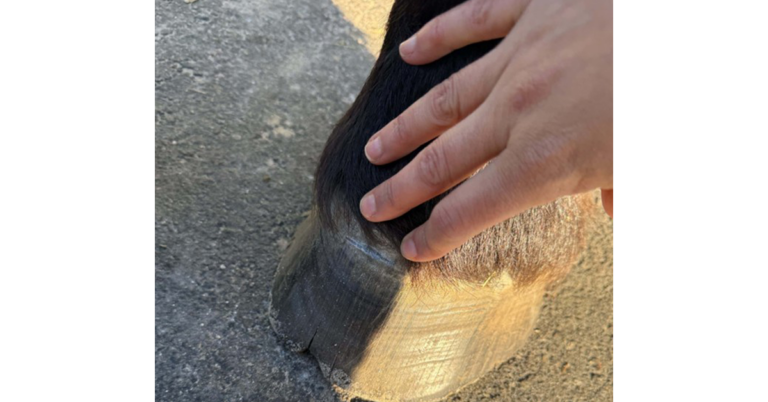
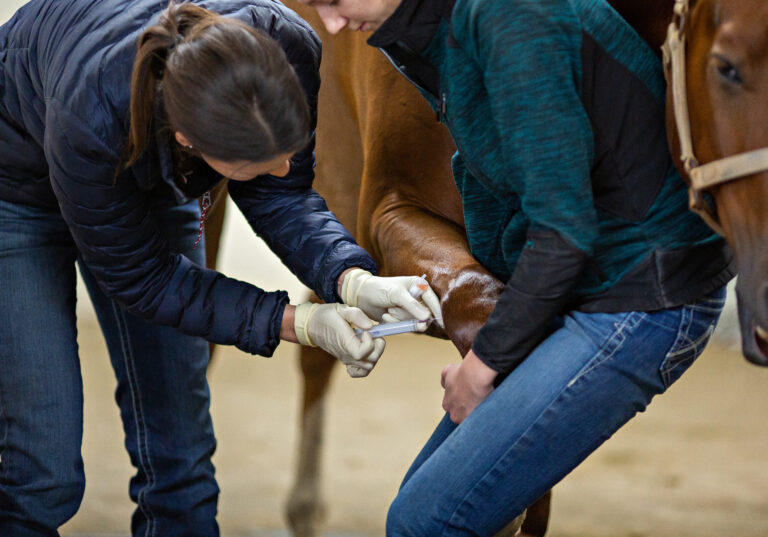
“Pentosan polysulfate is administered intramuscularly, and injection-site reactions are the most frequently reported adverse events,” said Erin Contino, MS, DVM, Dipl. ACVSMR, an associate professor, also at Colorado State University, during the sunrise session. “Transient changes to the haircoat, such as discoloration, alopecia, or altered hair texture have also been reported.” For this reason, Contino prefers administering PPS in the pectoral region. “Given the relatively large injection volume, I like to divide the dose between two injection sites to improve tolerance,” she added.
Polysulfated Polysaccharide Efficacy in Horses
In an experimental OA model, researchers surgically created osteochondral fragments in the middle carpal joints of horses, using the contralateral joints as sham-operated controls. The researchers gave the horses weekly intramuscular PPS or saline (control) injections for four weeks and exercised them on a high-speed treadmill. At Day 70, treated joints demonstrated significantly reduced cartilage fibrillation (advanced stage of damage), improved histologic cartilage scores, and increased concentrations of the CS-846 biomarker, which is associated with cartilage repair activity, said Hunt.
In a study involving 25 Mongolian horses treated over four weeks, investigators observed a decrease in the COMP/CPII ratio at Days 14 and 28, reflecting reduced cartilage degradation relative to new production. In a larger placebo-controlled clinical trial of 237 horses with radiographically confirmed OA and single-limb lameness, 58.9% of PPS-treated horses improved by at least one lameness grade, compared with 36.2% of placebo-treated horses, said Hunt.
Clinical Considerations for PPS Use in Horses
Pentosan polysulfate is approved for intramuscular use only, and veterinarians should use the product cautiously in horses with known clotting disorders or when administering NSAIDs concurrently, said Contino. “I recommend avoiding administration immediately before or within 24 hours after strenuous exercise,” she added.
Clinically, PPS is often incorporated into management plans for young performance horses, horses with multi-limb lameness, metabolic horses, and FEI competitors, for which intra-articular therapies might be limited, said Contino. In experimental models, researchers have demonstrated PPS provides superior cartilage histologic outcomes compared with intramuscular polysulfated glycosaminoglycans and hyaluronic acid.
Take-Home Message
Pentosan polysulfate (PPS) is an FDA-approved, intramuscular osteoarthritis drug with a growing body of experimental and clinical evidence supporting its use in horses. Researchers believe PPS supports cartilage metabolism, improves joint microcirculation, and might help reduce cartilage breakdown. When used appropriately, PPS appears to be a reasonably safe option for managing osteoarthritis—particularly in horses where multi-joint involvement, competition regulations, or long-term joint health are key considerations, said Contino.
Brought to you by Dechra.
Related Reading
- Daily Vet Life: Using Pentosan to Manage Horses With Osteoarthritis
- Pentosan Shown to Control Clinical Signs of Osteoarthritis in Horses
- Systemic and Intra-Articular Therapies for Lame Horses
Stay in the know! Sign up for EquiManagement’s FREE weekly newsletters to get the latest equine research, disease alerts, and vet practice updates delivered straight to your inbox.
![[Aggregator] Downloaded image for imported item #18374](https://s3.amazonaws.com/wp-s3-equimanagement.com/wp-content/uploads/2025/09/30140012/EDCC-Unbranded-28-scaled-1-768x512.jpeg)