This article originally appeared in the Winter 2025 issue of EquiManagement. Sign up here for a FREE subscription to EquiManagement’s quarterly digital or print magazine and any special issues.
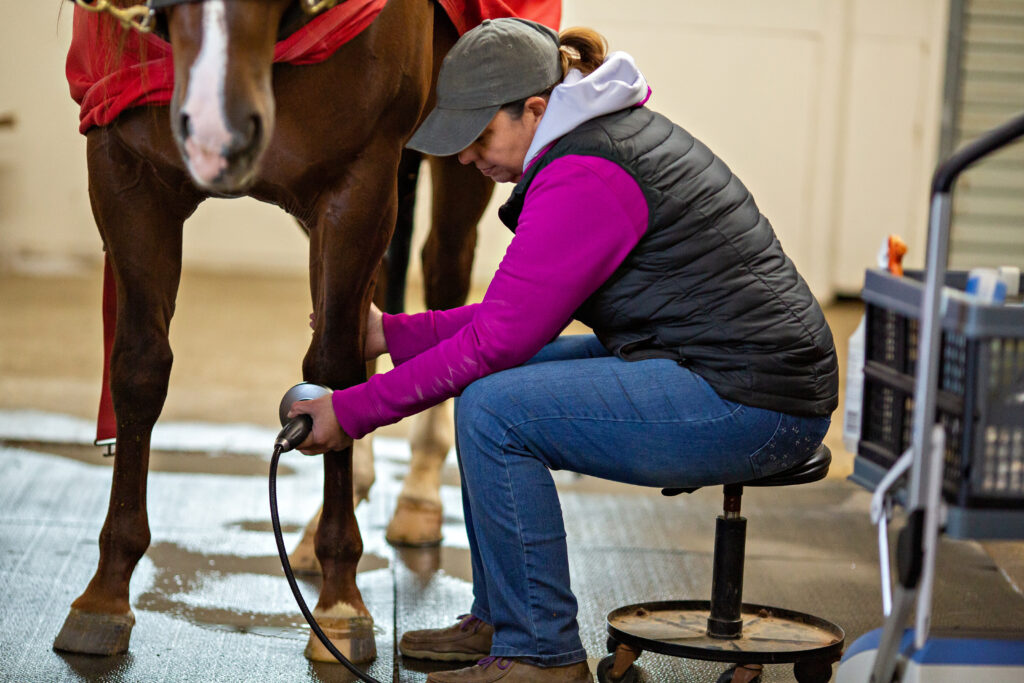
Ergonomics—the science of arranging and adjusting the work environment to fit your body—can help minimize physical injuries in practice and decrease chronic pain. Research in the field of ergonomics has helped identify risk factors for all types of musculoskeletal injuries in the workplace. More than one in four workers compensation claims for veterinarians involves musculoskeletal injury. According to the AVMA, risk factors in veterinary medicine include awkward postures, high hand force, highly repetitive motions, repeated impact, awkward lifting, and moderate to high hand-arm vibration. When these factors occur in combination, the number of injuries can increase sharply.
Awkward Postures in Equine Practice
Awkward postures in equine practice, such as working with your hands above your head or your elbows above your shoulders for extended periods, often occur with teeth floating, rectal palpation, dystocia, and some surgeries and can cause muscle fatigue or injury. These same work activities can also cause pain or injury when your neck, back, or wrist(s) are bent more than 30 degrees for an extended period. Squatting, kneeling, or sustaining any position for extended periods is hard on the joints and can result in sustained inflammation. It might be challenging to avoid putting your body in these uncomfortable positions during equine clinical work, but you should try!
Injury Risks
High hand force injuries can occur when you must pinch or grip an object while applying pounds of force per hand for extended periods. This is not uncommon with equine dentistry, especially when using motorized equipment. Repeating the same neck, shoulder, elbow, wrist, or hand motion with little or no variation for extended periods, such as with repeated rectal palpations, is risky as well.
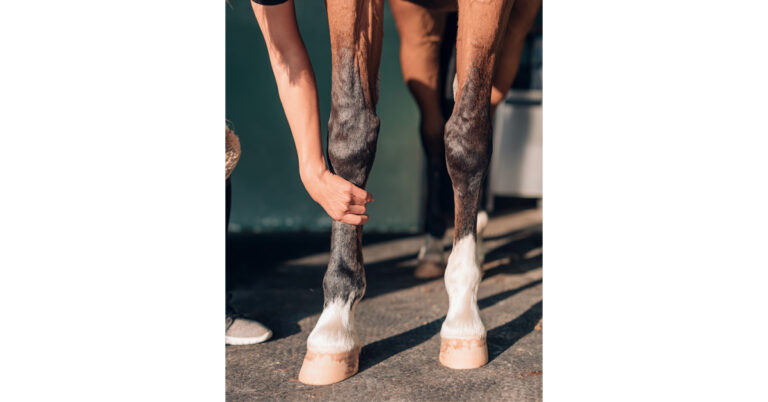
Sustained or forceful muscle contractions, as can occur with dystocia, carrying equipment, and equine foot or leg work, can restrict blood flow to an area, resulting in an adverse effect on the local nerve tissue. Recurrent motions that continue until muscle fatigue occurs often result in inflammation or injury. Using motorized equipment or other hand tools that typically have moderate to high vibration for extended periods are tough on the body as well. Bending postures increase the risk of injury substantially, especially if the time spent bent over is lengthy. Other risky postures include twisting or reaching behind or in front of you with arms outstretched. Kneeling, squatting, and bending the trunk are among the most traumatic of postures, especially when combined with stretching the arms forward, as we often do when taking radiographs. Instead, try to keep your spine erect above your pelvis, bend your knees to adjust height, and hold the X-ray generator with a straightened arm rather than bent at the elbow.
Many musculoskeletal conditions develop gradually over time rather than after a single acute event. Nonetheless, they can cause significant damage by repetitive wear and tear on tendons, muscles, nerves, and bones that results in scar tissue and adhesions. The resulting reduction in flexibility, strength, and function can lead to ongoing inflammation, especially when the inciting activity continues. You might experience decreased range of motion, pain, numbness, tingling, burning, cramping, and/or stiffness.
How to Mitigate Injuries in Equine Practice
Ergonomic ways to mitigate these risks include:
- Using an adjustable stool for low positions to eliminate squatting, kneeling, or bending.
- Using an adjustable equine head support during dental procedures.
- Assuring proper table height in surgery.
- Improving posture, force, and repetition in all work activities, wherever possible.
In addition, pay attention to signs you’re developing repetitive strain injuries, so you can attempt to minimize permanent injury. By being aware of the risk factors and trying to mitigate them, equine veterinarians might reduce their musculoskeletal damage and chronic pain.
Related Reading
- Injury Risk and Prevalence in Equine Practice
- Horse Handling Techniques for Safer Nerve Blocks
- Ergonomics for Equine Veterinarians
Stay in the know! Sign up for EquiManagement’s FREE weekly newsletters to get the latest equine research, disease alerts, and vet practice updates delivered straight to your inbox.