Upon obtaining an accurate diagnosis and implementing a treatment and rehabilitation plan for a horse with an injury, one of the most challenging parts of an equine practitioner’s job might be inspiring a client to comply with and adhere to medical advice.
During a talk at the 2025 American Association of Equine Practitioners (AAEP) Convention, in Denver, Colorado, Rob van Wessum, DVM, MS, DACVSMR (EQ), CP KNMVD (EQ), of Equine All-Sports Medicine Center PLLC, in Mason, Michigan, explained how veterinarians can enhance compliance and, thus, overall outcomes. He described three types of noncompliance:
- Unintentional noncompliance, in which an owner does not understand instructions from their veterinarian and how it relates to their horse.
- Erratic noncompliance, in which an owner wants to adhere to instructions but cannot follow them because of personal circumstances, a rehabilitation program that is too complicated, or simple forgetfulness.
- Lack of trust for instructions and/or personal health beliefs of the owner or from information gleaned from other sources, such as “Dr. Google.” The owner might disagree with their veterinarian and try to alter or discontinue the rehabilitation instructions.
Unintentional Noncompliance
To address unintentional noncompliance, it is important to provide good, understandable information to the client at least in writing and, better yet, with a short (< 6 minutes) video demonstration. Van Wessum recommends speaking to clients in ways they can understand (i.e., using lay-person language). Videos can be recorded on a cellphone or more professional videos made available on YouTube so a client can review them as often as needed.
Erratic Noncompliance
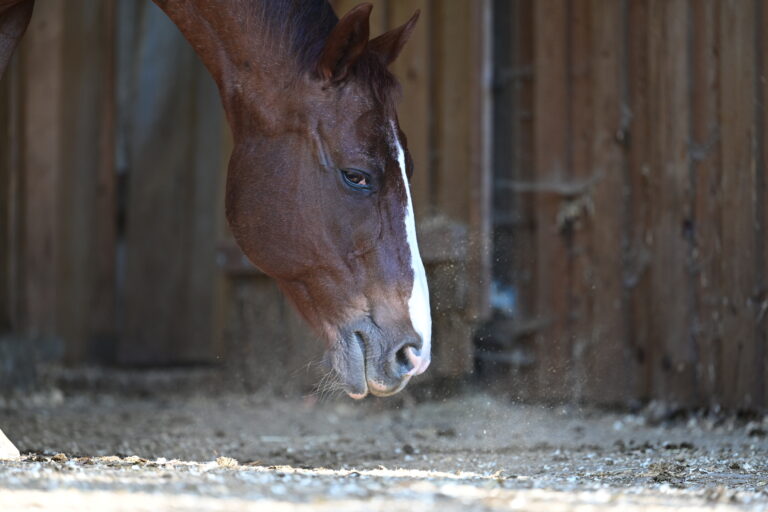
For cases of erratic noncompliance, first obtain information about a client’s circumstances and figure out how to adapt to their capabilities. Van Wessum stressed that an adapted plan with 100% compliance is better than a superb plan with low compliance. It is often helpful to get the client’s trainer involved. For example, to help keep the horse moving when walked in hand rather than allowing the horse to stop and graze. It might also be necessary to consider medication options or adaptations, including sedation.
Lack of Trust/Personal Beliefs
The clients with lack of trust that leads to noncompliance are the most difficult to modify. Sometimes it becomes an information war with a client being somewhat belligerent in adhering to their beliefs. Van Wessum noted, however, that it might only take 5-6 minutes of communication and explanation to get sensible information across to the owner.
Concentrate on patient-focused care that prioritizes each client’s individual needs and preferences while involving them in the decision-making process regarding their horse’s care. This approach emphasizes communication, respect, and collaboration between clients and other members of a horse’s support team (trainer, farrier, massage therapist, acupuncturist, physiotherapist, chiropractor, etc.) to optimize the horse’s care.
Information Wars
To best achieve positive effects from an info war battle, van Wessum recommends sitting down with the client at the end of the horse’s examination, preferably in a quiet area to discuss the results and their implications. Use anatomical specimens and diagrams to help a client understand. He also noted that when a horse owner sees their veterinarian in a conference room, the vet becomes more of an expert figure, with Dr. Google taking a back seat to that position. Building rapport makes it less likely that the owner will ignore the veterinarian. Additionally, this one-on-one, face-to-face meeting enables a veterinarian to pick up on signals from a client that indicate distraction or a lack of understanding or acceptance; then the veterinarian can adjust accordingly.
Take-Home Message
The objective is to work toward an achievable goal within a specified time frame that works for client, horse, and veterinarian. Rechecks with positive results help motivate owners to keep going because they see improvement and realize those results are because of their efforts. If using inertial sensor devices to define lameness, provide the client with printouts of the results, which they can compare to previous printouts. Ultrasound printouts help similarly.
When all involved caregivers are on the same page, they feel involved and are engaged and less likely to express negative pushback, said van Wessum. He said this effort in time pays off by resulting in happy clients and good word-of-mouth testimonials that develop a steady caseload without financial investment to maximize one’s business.
Sports medicine coverage from the 2025 AAEP Convention is brought to you by Dechra.
Related Reading
- Rehabilitating Equine Soft Tissue Injuries
- Daily Vet Life: A Collateral Ligament Injury With Curveballs
- Daily Vet Life: Rehabbing Suspensory and Sacroiliac Injuries
Stay in the know! Sign up for EquiManagement’s FREE weekly newsletters to get the latest equine research, disease alerts, and vet practice updates delivered straight to your inbox.