2017 Rabies Cases Down, but Two Human Rabies Deaths Reported

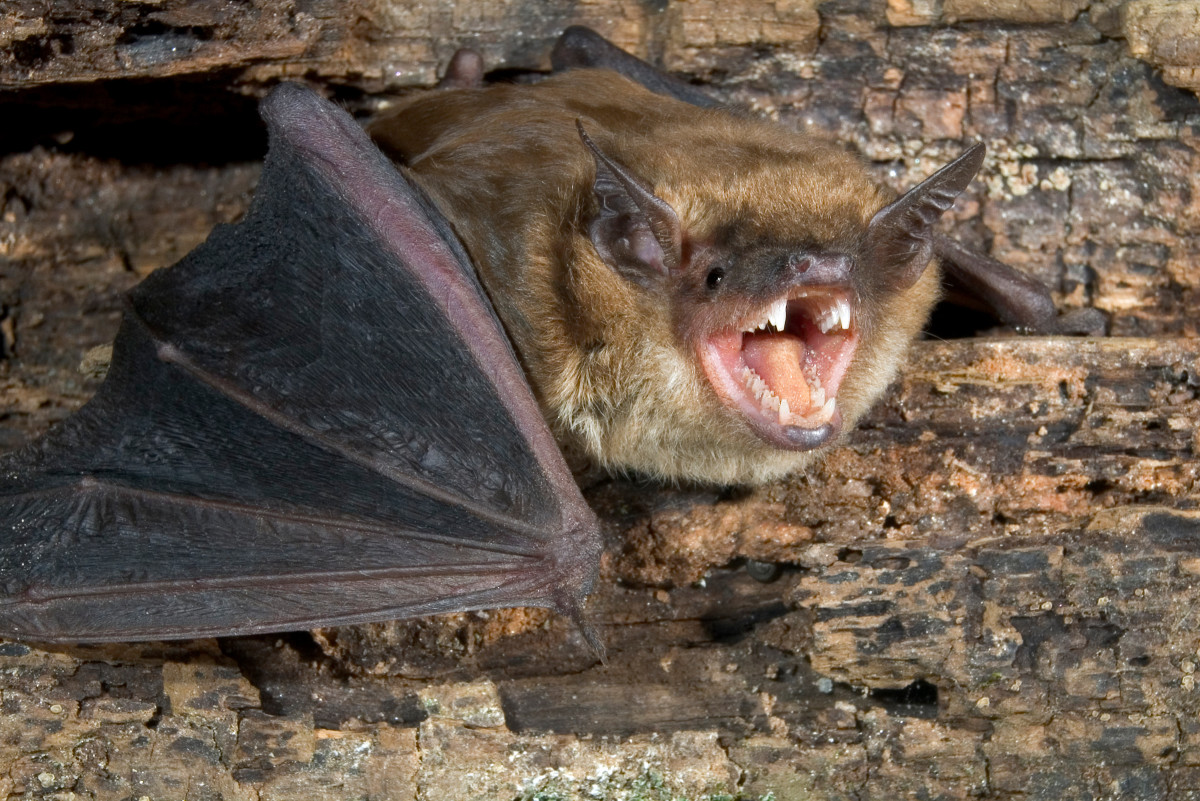
Bats, raccoons, skunks and foxes were the major wildlife cases of rabies diagnosed at the CDC.

Bats were the most frequent wildlife species diagnosed with rabies in 2017. iStockPhotos.com

In a JAVMA article titled “Rabies surveillance in the United States during 2017,” 52 jurisdictions reported 4,454 rabid animals to the Centers for Disease Control (CDC). That total was down 9.3% from the 4,910 rabid animals reported in 2016. 

The abstract went on to note that of the 4,454 cases of animal rabies, 4,055 (91.0%) involved wildlife species. The major species were: 1,433 (32.2%) bats, 1,275 (28.6%) raccoons, 939 (21.1%) skunks, 314 (7.0%) foxes, 276 (6.2%) cats, 62 (1.4%) dogs, and 36 (0.8%) cattle. 

There was a 0.4% increase in the number of samples submitted for testing in 2017 compared with the number submitted in 2016. 

Two human rabies deaths were reported in 2017, compared with none in 2016.

For more information visit the AVMA journals website.

categories
tags
Trending Articles
[Aggregator] Downloaded image for imported item #19123
Texas Donkey Tests Positive for EHV-1
[Aggregator] Downloaded image for imported item #18374
1 Horse Tests Positive for Strangles in Palm Beach County, Florida
Veterinarian Woman Drawing Fluid from a Vial to Administer Medication to a Rescue Horse using a Syringe at an Animal Hospital
Disease Du Jour: Pioneer, Generic, Compounded, and Counterfeit Animal Drugs 
Dr
The Business of Practice: Updates from AAEP President Dr. Tracy Turner
Newsletter
Get the best from EquiManagement delivered straight to your inbox once a week! Topics include horse care, disease alerts, and vet practitioner updates.

"*" indicates required fields

This field is for validation purposes and should be left unchanged.
Name*
Country*

Additional Offers

Untitled
EquiManagement
Privacy Overview

This website uses cookies so that we can provide you with the best user experience possible. Cookie information is stored in your browser and performs functions such as recognising you when you return to our website and helping our team to understand which sections of the website you find most interesting and useful.