This article originally appeared in the Spring 2026 issue of EquiManagement. Sign up here for a FREE subscription to EquiManagement’s quarterly digital or print magazine and any special issues.
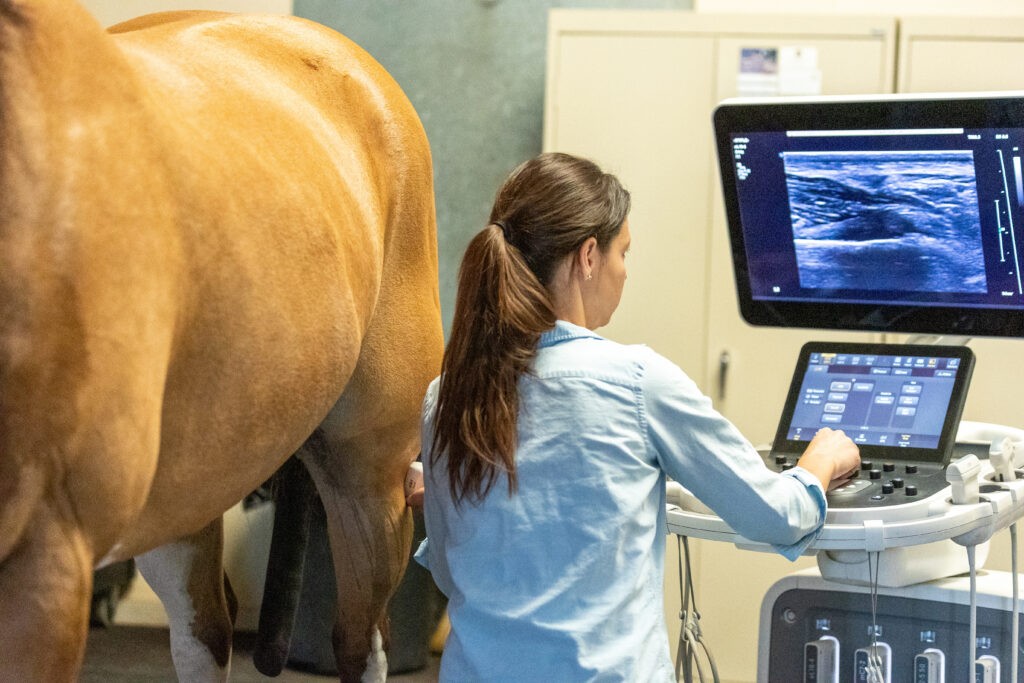
Brittany Nehring-Lappin, DVM, outlined the opportunities for private practice veterinarians to participate in industry-supported research by becoming clinical investigators during the Business News Hour at the 2025 American Association of Equine Practitioners Convention. She said contributing to scientific advances can be good for professional well-being and growth. Because the USDA and FDA require safety and efficacy data from both laboratory and field studies before approving new products, companies often offer opportunities for practices to participate because they need multiple breeds and diverse populations being treated under field conditions.
Veterinary Clinical Research Studies
Nehring-Lappin explained that field studies differ widely in disease area, complexity, and time required and that most practices can find a study that fits their patient population and the time they have available. She emphasized that practitioners have no obligation to participate in future studies and are free to choose which studies they wish to participate in.
Each Veterinary Clinical Research Study (VCRS) has a written protocol, said Nehring-Lappin, which acts as an instruction manual for the study. They always have a clearly defined objective and enrollment criteria for each study participant and a defined number of participants. The data produced by the study are used for publication or scientific evidence for regulatory approval of a new product.
Studies are often subject to Good Clinical Practice (GCP) guidelines to ensure the quality, safety, and efficacy of research evaluating new products. The GCP’s key roles are the Sponsor, the Monitor, and the Investigator, she said. The Sponsor is the company in charge of the clinical study. The Monitor is responsible for overseeing the study. The Investigator screens cases for eligibility, gets consent to participate, follows protocol, and collects and reports the results. Veterinarians who participate as Investigators receive training, technical support, study materials, frequent communication, and financial remuneration, she added.
Operational Considerations
Practices thinking about participating in a study must be aware of the operational considerations, Nehring-Lappin cautioned. Documentation is a huge part of the responsibility, requiring participants to be detail-oriented. She recommended appointing a practice staff member to play an administrative role as a study coordinator. Nevertheless, the experience of being involved in research benefiting the equine community can be very rewarding, she concluded.
Related Reading
- The Business of Practice: Current State of the Equine Veterinary Industry
- Strengthening Social License to Practice Equine Medicine
- Early Career Insights: How Equine Vets Can Develop Foundational Skills
Stay in the know! Sign up for EquiManagement’s FREE weekly newsletters to get the latest equine research, disease alerts, and vet practice updates delivered straight to your inbox.