This article originally appeared in the Spring 2026 issue of EquiManagement. Sign up here for a FREE subscription to EquiManagement’s quarterly digital or print magazine and any special issues.
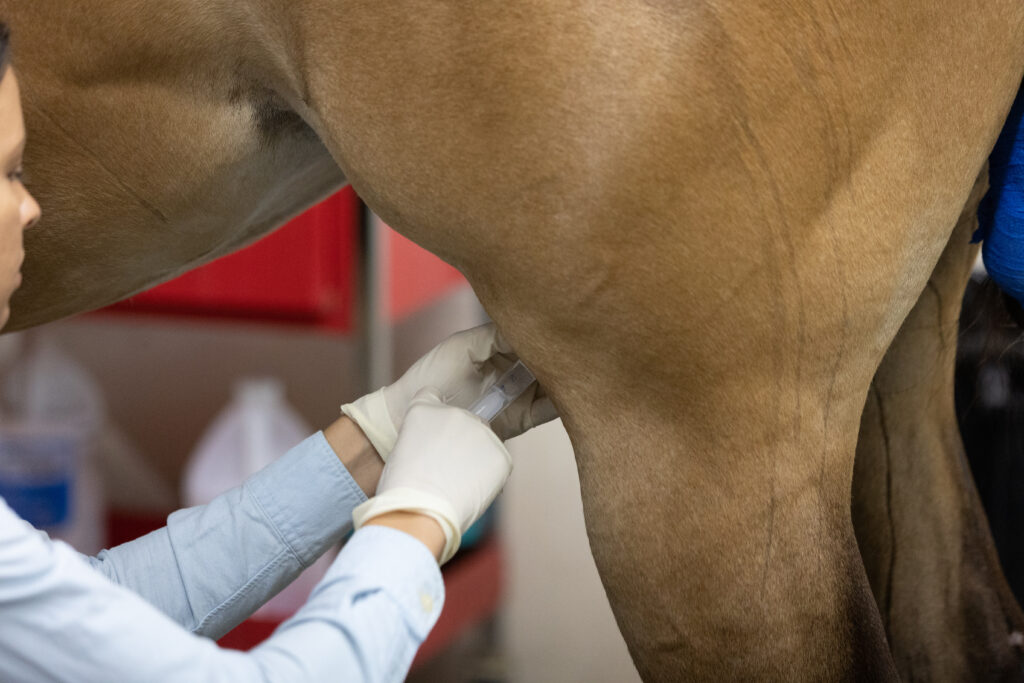
Platelet-rich plasma (PRP) has attracted much attention for its potential to manage and treat equine joint conditions such as osteoarthritis. Despite its widespread use, there’s still no consensus on how to best prepare and deliver PRP into horses’ joints or soft tissues.
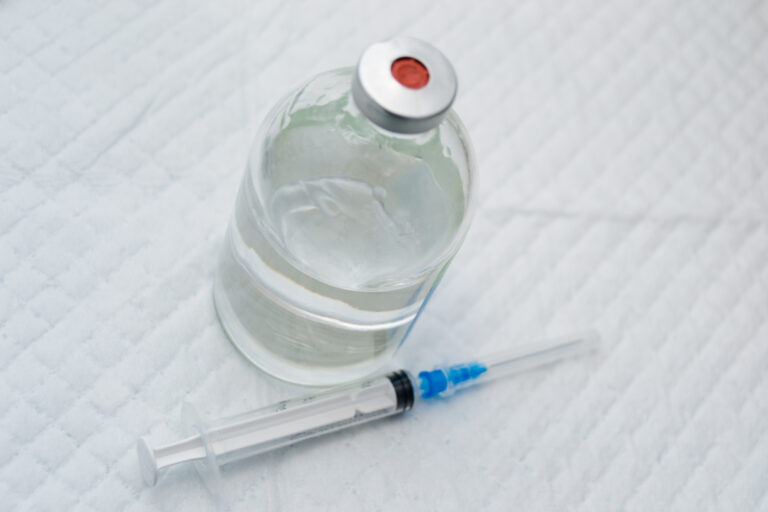
Currently, at least 20 different kits for preparing PRP exist, each of which has tremendous variability in the finished product. In addition, there is no standard type, concentration, or injection method once blood has been centrifuged to obtain a plasma suspension. Ideally, platelet numbers far exceed remaining leukocytes, red blood cells, and plasma proteins.
Current Findings From Studies on PRP
Omar Maher, DVM, DACVS, DACVSMR, of Atlantic Equine Services, discussed current findings from studies on PRP as a joint therapy during a session at the 2025 American Association of Equine Practitioners Convention.
At this time, he noted a preference for low leukocyte numbers in the centrifuged plasma, mainly to reduce the risk of side effects such as joint flare and pain. It is ideal to inject the PRP the same day as it’s prepared. Points of agreement among practitioners include avoiding NSAIDs and draining joint effusion before injecting PRP. Local anesthetic should not be used because it is toxic to platelets and alters release of growth factors. It is also important to use clinically identifiable landmarks for injection, because PRP administered out of the joint space is extremely painful.
Currently, PRP’s main use is to stabilize lesions and provide maintenance support. Maher said it appears to have good results on early cartilage defects and is typically repeated two to three times at two- to three-week intervals. He recommended using a similar volume and dose of platelets per joint at each treatment, preferably with minimal WBC and RBC counts.
Related Reading
- From a Whisper to a Bang: Where We Are With Orthobiologics
- Rehabilitating Equine Soft Tissue Injuries
- Healing With Horsepower: Recent Orthobiologics Research
Stay in the know! Sign up for EquiManagement’s FREE weekly newsletters to get the latest equine research, disease alerts, and vet practice updates delivered straight to your inbox.