This article originally appeared in the Fall 2026 issue of EquiManagement. Sign up here for a FREE subscription to EquiManagement’s quarterly digital or print magazine and any special issues.
Earlier this year, Nikki Walshe, MVB, PhD, CertAVP (Equine), presented a webinar sponsored by Treo Eile about the microbiome’s role in racehorse health and disease. Looking through a microbiome lens, she described the major changes in a racehorse’s life that can vastly alter the microbiome and, in turn, affect general health. Many of these transition events occur similarly in all horse lives, with comparable effects.
Major Life Transition Stages
Weaning
The first major life transition is weaning and the hidden effects of a sudden reduction in milk intake and an introduction to more solid feed with different fiber and starch compositions. Routine deworming at weaning further disrupts a foal’s gastrointestinal ecosystem with microbiota shifts and associated inflammation. Abrupt social separation from the dam and formation of a new group hierarchy of foals increases cortisol release from stress. The combination of dietary shifts, stress, and anthelmintics likely reduces gastrointestinal microbial diversity, with a pronounced impact on microbial producers of short-chain fatty acids that provide energy. Weaning stress and dietary transitions also increase the risk of dysbiosis and gut-related disease.
Preracing
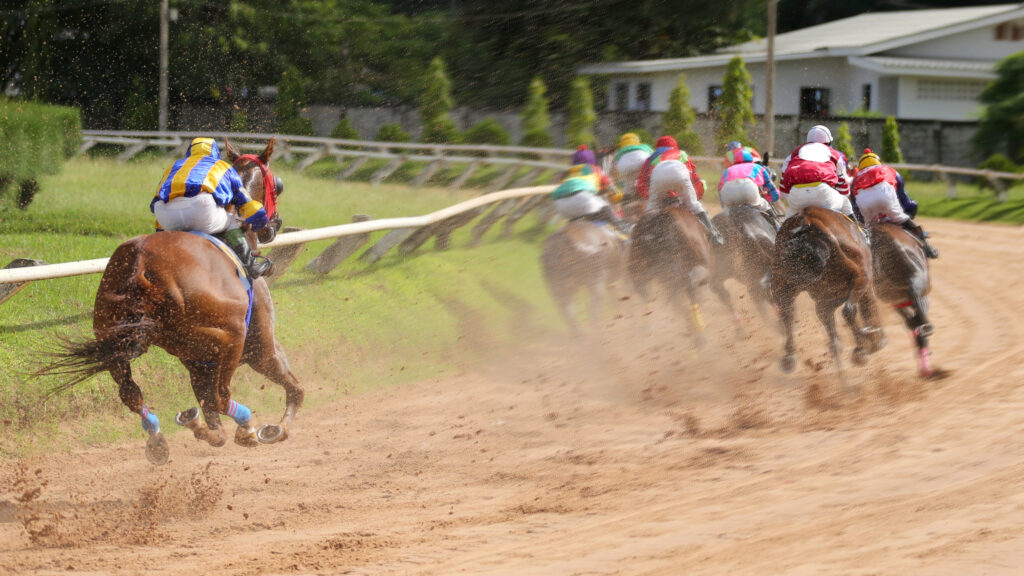
The next transition stage applies to prerace protocols, such as a 3-year-old Thoroughbred in the final stages of race preparation. Trainers often try to optimize speed by reducing a horse’s gut fill. Such forage restriction minimizes gut bulk but is often replaced with high-starch concentrates as a dominant part of the ration. High-starch diets lead to hindgut acidosis and associated inflammation that interrupts the integrity of tight junctions lining the intestines. Bacteria move across intestinal walls (leaky gut syndrome), and damage to intestinal cell walls interferes with absorption. These changes adversely affect energy provision, resulting in systemic effects such as lethargy, poor performance, and behavioral changes. Changes during prerace or training protocols might also occur in conjunction with decreased turnout time.
In some cases, horses receive a short course of antimicrobial medications following endoscopic exam, and it can take at least 30 days for the microbiome to recover from disruption by antimicrobials. During this transition period, the horse experiences new stressors such as changes in routine, increased training load, and transport. Microbial diversity decreases, as do short-chain fatty acid microbial producers. All these lifestyle and dietary changes result in an increased risk of dysbiosis and gut-related issues such as colic, diarrhea, or gastric ulcers.
Rehoming
The third major transition stage might occur when a racehorse is rehomed from racing to being a “leisure” horse with changes in routine and new herd dynamics. This horse might experience rapid dietary changes from a high-concentrate/low-forage racing diet to a forage-based maintenance diet. Walshe advised making such modifications slowly to allow for microbiome adaptations. An abrupt change from intense daily exercise to little work poses additional problems. These horses should be ridden lightly or receive sufficient turnout to allow their bodies to continue movement, she said.
How to Reduce Triggers of Dysbiosis
Walshe then listed mitigation strategies that help reduce triggers of dysbiosis:
Abrupt diet changes lead to a reduction in short-chain fatty-acid-producing microbes, which allows increases in lactic-acid-producing bacteria. Gradually reduce concentrates while increasing forage over two to three weeks. Sudden concentrate withdrawal and introduction of a high-fiber diet can increase colic risk.
Provide high-quality forage that horses can consume and digest easily. A high-forage diet is essential, and forage diversity is important. Fermentation bacteria work on the carbohydrates in forage. If you change a horse’s diet abruptly and the microbes are not prepared to deal with this change, opportunist bacteria flourish. Changing hay is associated with a tenfold higher risk of colic because microbiome organisms take a long time to adjust to dietary changes.
Stress is accompanied by related shifts in intestinal microbial composition, which lowers their resilience in digestive processes. Provide horses with a consistent routine and turnout with compatible companions while avoiding abrupt social changes.
The bottom line is to prioritize high-quality, long-stem forage as the main part of a horse’s diet while making feed modifications slowly. Prebiotics are substrates gut microbes use selectively and might confer health benefits. Management practices such as compatible living arrangements and turnout help minimize stress. The goal, said Walshe, is to cultivate the hindgut to enable a balanced microbiome to flourish rather than try to “change” the microbiome entirely.
Related Reading
- Pre-, Pro-, and Postbiotics in Horses: What Does the Evidence Show?
- Updates on Treatment of Equine Gastric Disease
- Butyrate in the Gut Microbiota Might Enhance Equine Performance
Stay in the know! Sign up for EquiManagement’s FREE weekly newsletters to get the latest equine research, disease alerts, and vet practice updates delivered straight to your inbox.