Veterinarians who travel to farms or homes or see horses and pets in clinics and hospitals are essential to animal health and well-being. However, this career path is just one of the many doors that a veterinary degree can open. We asked equine veterinarians who work in a variety of roles to share their thoughts on what it means to be an equine veterinarian and their advice for anyone considering the profession.
Melissa Patten, MS, DVM
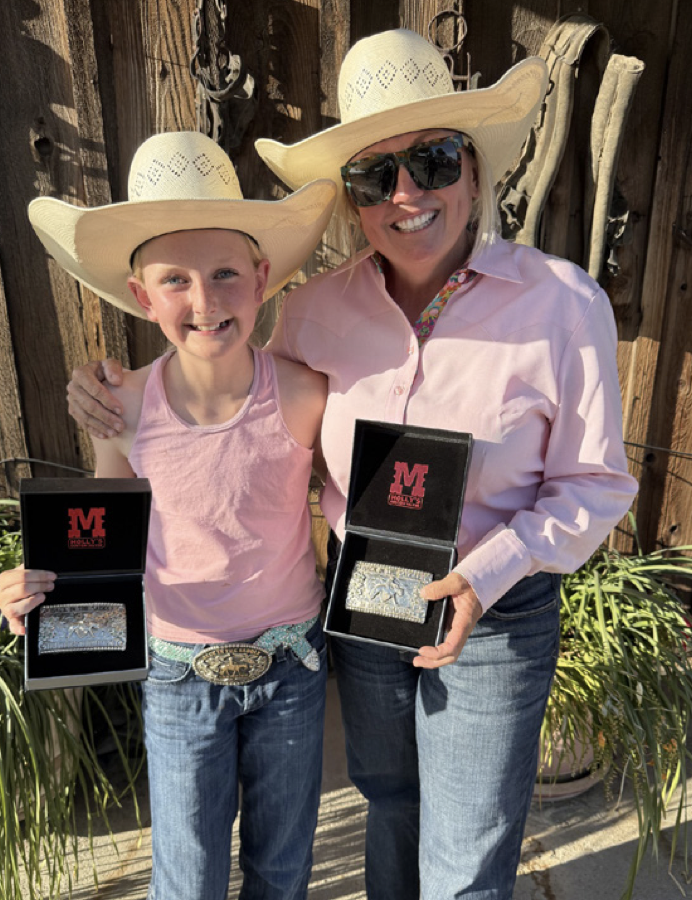
Current role: Owner of River Grove Veterinary Services, a mobile large animal veterinary practice with a focus on equine reproduction, medicine, and emergency care.
I became an equine veterinarian because I love equine reproduction, and becoming a veterinarian was the highest position I could achieve in that field.
My favorite thing about being an equine vet is seeing the excitement on clients’ faces when their mare is pregnant. I love being a part of their dream and being able to follow the foals that I have been a part of go on and be successful.
The biggest challenge of being an equine vet is client expectations and not being able to be available all the time for my clients.
My advice for future equine vets is to find an area of equine practice that you love and focus on it. Don’t be afraid to say no to clients if the relationship is not beneficial for both parties.
Katie Flynn, BVMS
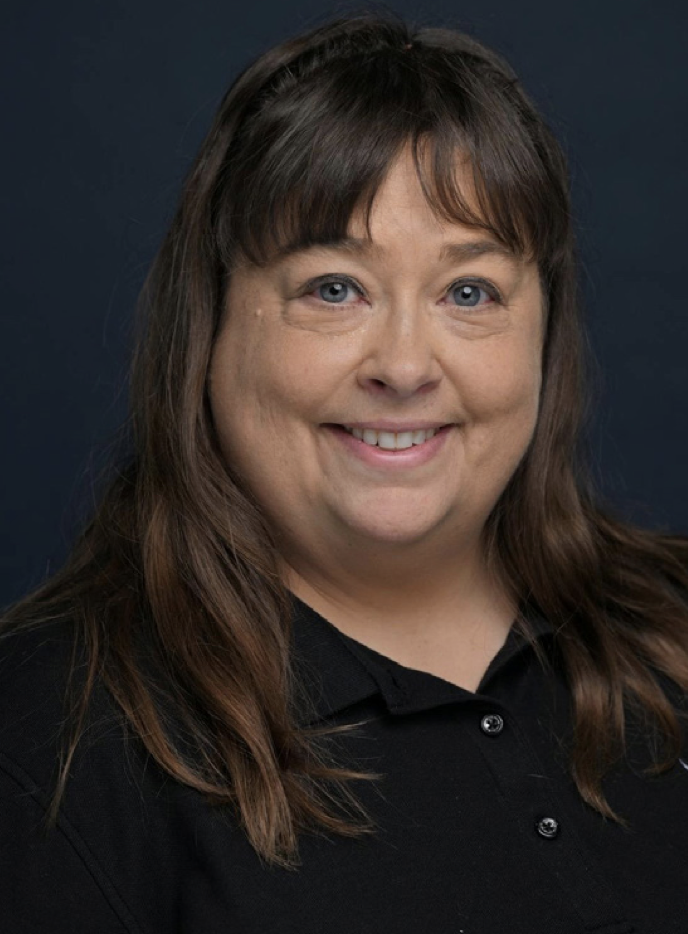
Current role: Equine Health and Biosecurity Veterinarian for the United States Equestrian Federation (USEF), the national governing body for equestrian sport in the United States.
I became an equine veterinarian because I grew up with horses and always wanted to be involved with them. They have always been a part of my life and a driving force behind my successes. Being a veterinarian is my way of giving back to the horses in my life.
My favorite thing about being an equine vet is that my unique role has provided me with incredible opportunities to travel the world and witness amazing equine athletes and their dedicated caretakers while also working to advance biosecurity and equine health efforts to better protect horse health.
The biggest challenge of being an equine vet is that as much as we try to prevent infectious disease outbreaks, they still occur. It is hard to not be able to help every horse that gets sick.
My advice for future equine vets is to follow your passion and say yes to opportunities that present themselves as you never know where they will take you. Also, don’t be afraid to ask. Hearing “no” is an opportunity to refocus and find another way.
Jeff Blea, DVM
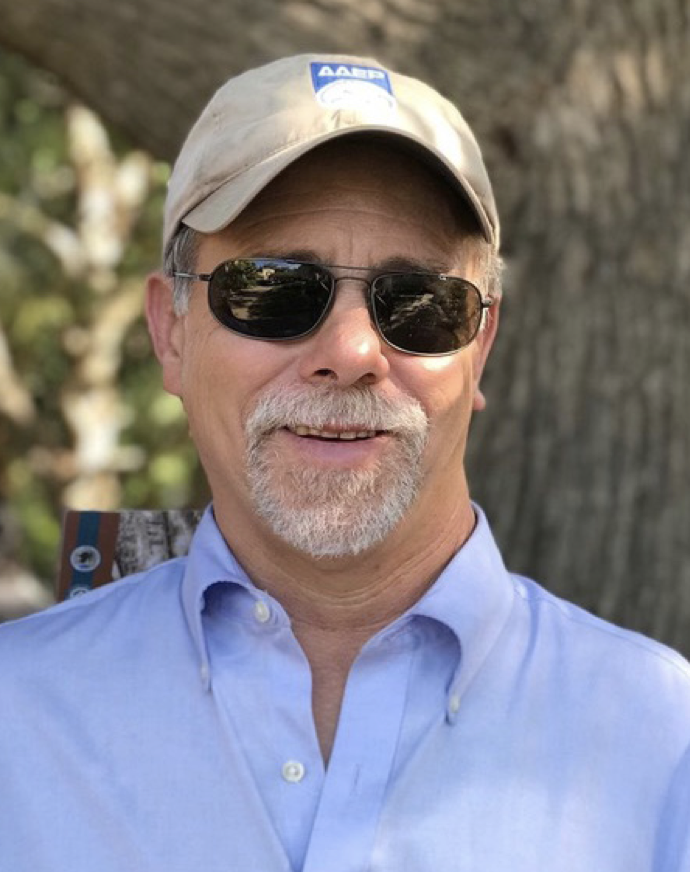
Current role: Equine Medical Director at the UC Davis Weill School of Veterinary Medicine, the liaison between the school, the Kenneth L. Maddy Equine Analytical Testing program, the California Horse Racing Board, and the California horse racing industry.
I became an equine veterinarian because I grew up in and around the equine industry, so I always knew that’s where I would build my career. A natural course for me was to blend science and academics with the equine industry to benefit and improve horse health and welfare.
My favorite thing about being an equine vet is that no two days are alike. I enjoy interacting with horse people of all walks of life, but more importantly, I enjoy interacting with the horses themselves. Additionally, an equine practitioner must be a problem solver, and that is personally and professionally rewarding.
The biggest challenge of being an equine vet is the frustration of not being able to help a horse due to economic constraints. Secondly, it is challenging to be a good communicator and empathetic in certain situations.
My advice for future equine vets is to work hard, study hard, maintain life balance, and network with folks in the equine industry and veterinary community.
Briana Hamamoto, DVM, PhD
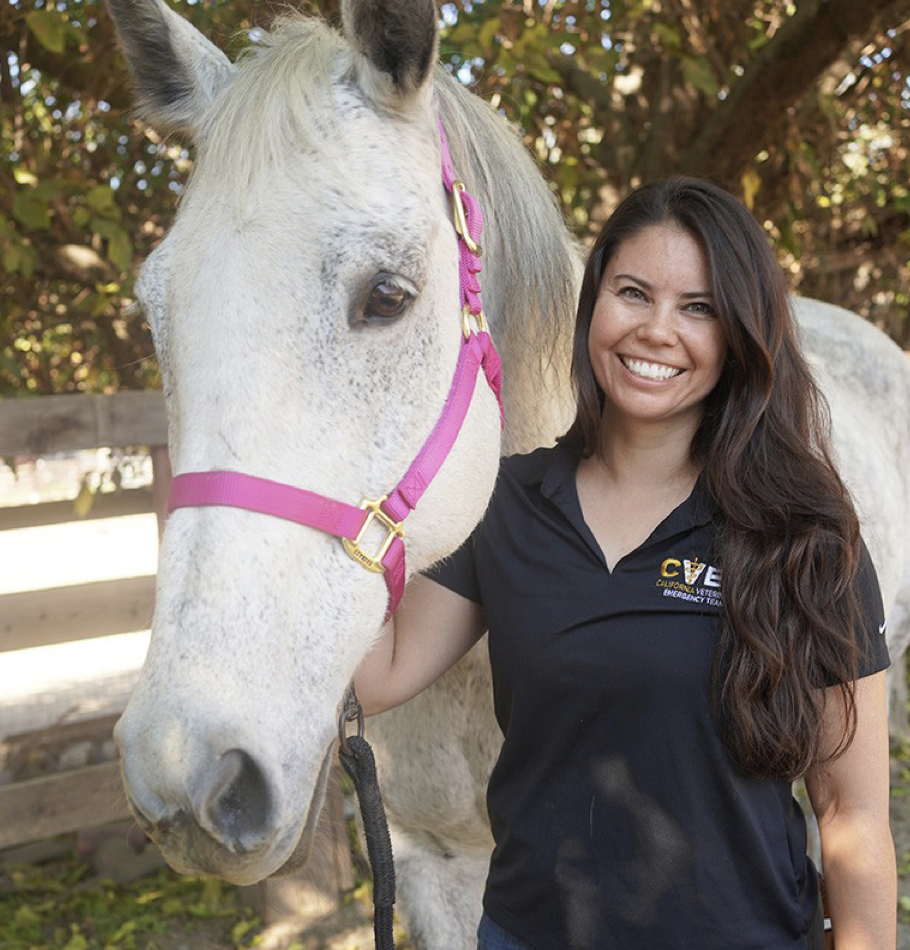
Current role: Disaster Management Veterinarian, UC Davis California Veterinary Emergency Team
I became an equine veterinarian because I love the complexities and extra puzzle pieces that come with working in equine medicine. My passion for horses and their owners led me to where I am today.
My favorite thing about being an equine vet is the feeling when you earn the trust of a horse and their owner and can develop a partnership that’s centered around an incredible animal.
The biggest challenge of being an equine vet is understanding that it’s not an easy career both financially and physically. There are incredible people doing incredible work to help curb this, but it may take some time.
My advice for future vets is to follow your passion and allow disappointments and curves in the road to guide you to a path you never could have imagined.
Camilo Jaramillo Morales, DVM, MSc, DACVIM, PhD Candidate in Pharmacology and Toxicology, Candidate for Board Certification in Veterinary Clinical Pharmacology (ACVCP)
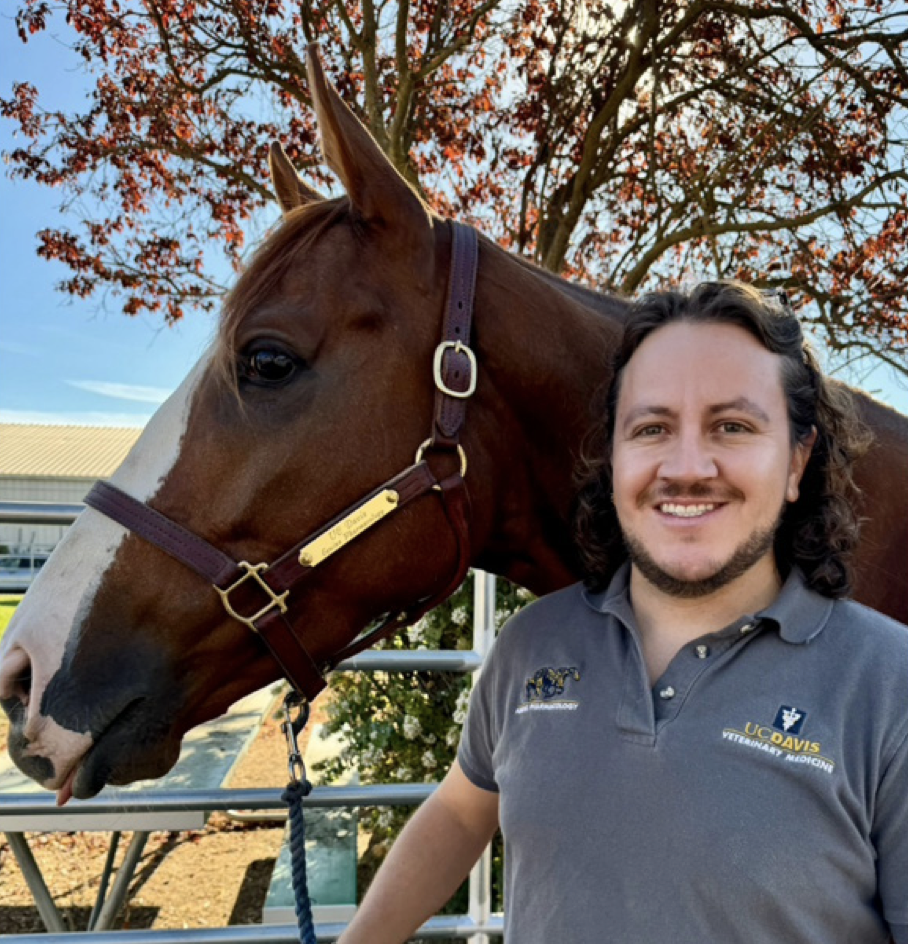
Current role: Graduate student and staff veterinarian at UC Davis, transitioning into an Assistant Professor of Equine Internal Medicine and Clinical Pharmacology at Auburn University.
I became an equine veterinarian because I have always been fascinated by horses and science, and veterinary medicine allows me to combine both while helping improve horse health and welfare.
My favorite thing about being an equine vet is working closely with horses and their caretakers while solving complex medical problems and contributing to research that improves treatments. I love working with horses that help people in different ways.
The biggest challenge of being an equine vet is that sometimes access to resources for diagnosis, treatment, and research funding can be limited, which makes solving complex medical problems more challenging and requires creativity and collaboration.
My advice for future equine vets is to stay curious, work hard, and seek mentors. Equine medicine is challenging but incredibly rewarding if you love horses and science.
Amy Poulin Braim, VMD, DACVS
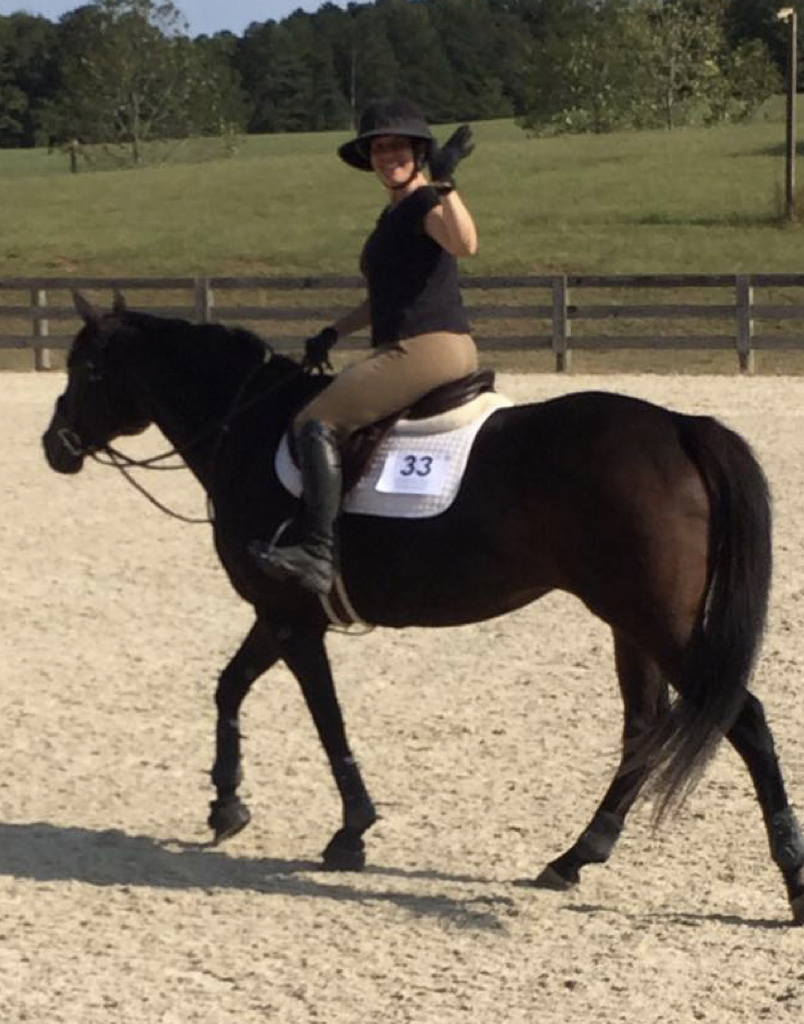
Current role: Senior Marketing Manager, Equine Regenerative Medicine & Diagnostics, Zoetis.
I became an equine veterinarian because I was a lifelong “horse-crazy” kid. I grew up showing hunters, and horses were always a central part of my life. I became fascinated by anatomy and physiology and loved the idea that veterinary medicine could allow me to directly improve a horse’s comfort, performance, and quality of life. I was especially drawn to surgery because I found great satisfaction in diagnosing a problem and helping to fix it.
My favorite thing about being an equine vet is the people that I have had the opportunity to meet and collaborate with across the country and around the globe who share a deep passion for horses. In my current role, I especially enjoy taking complex research and translating it into practical, easy-to-understand information for veterinarians and horse owners.
The biggest challenge of being an equine vet is what is often described as “work-life balance.” The ultimate challenge lies in finding a job that allows you to grow professionally and personally. It’s important to know that your needs and priorities will likely change over time, especially when it comes to building a family. That may mean changing jobs, employers, or even career paths to find what works best for you, your children, and your spouse.
My advice for future equine vets is to keep an open mind about career paths. As a veterinarian, your skills are highly transferable to industry, research, education, and beyond. Build relationships early, and find mentors, friends, and advocates. Seek out people who support you, challenge you, and genuinely want to see you succeed. Say yes to opportunities, even when they feel uncomfortable. You are more capable than you think, and each experience helps you grow and build connections.
This article originally appeared in the UC Davis School of Veterinary Medicine Spring 2026 Horse Report.
Related Reading
- Do You Want to Become an Equine Veterinarian? Start Here
- Perspectives on Entering Equine Practice
- The New Educational Loan Environment for Veterinary Students
Stay in the know! Sign up for EquiManagement’s FREE weekly newsletters to get the latest equine research, disease alerts, and vet practice updates delivered straight to your inbox.