Neurologic Herpesvirus in San Bernardino County, California

A private facility had two horses confirmed with neurologic equine herpesvirus and 22 others exposed.

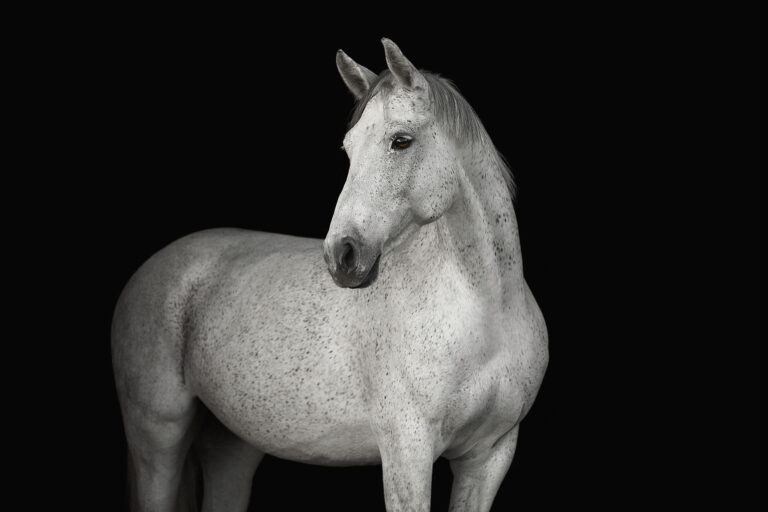
A private facility had two horses confirmed with neurologic equine herpesvirus and 22 others exposed. iStock/HagenCD

UPDATE from the Equine Disease Communication Center: As of March 29, 2021, the quarantine on the property has been released since there were no additional cases for fourteen (14) days on the premise.

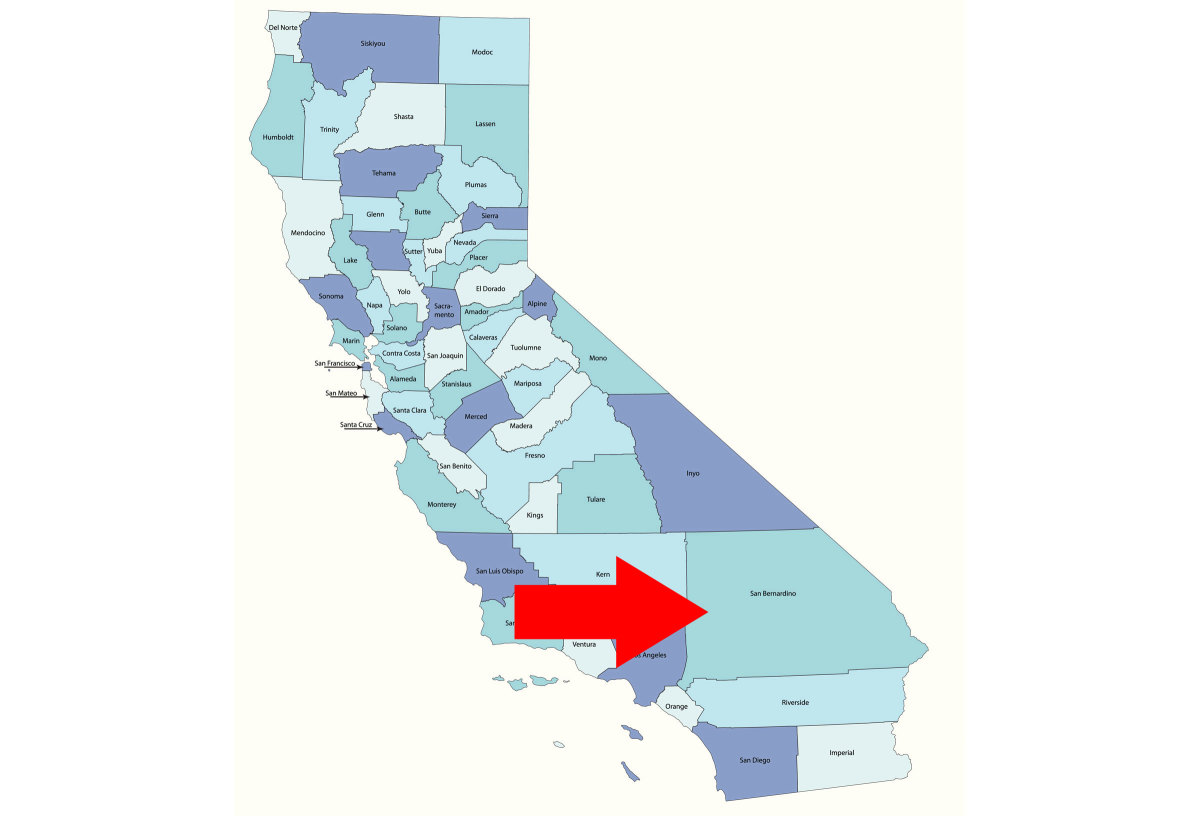
The California Department of Food and Agriculture (CDFA) confirmed that a private facility in San Bernardino County had two horses exhibit neurologic signs and test positive for equine herpesvirus. 

A 10-year-old Arabian gelding displaying neurologic signs was confirmed positive for EHV-1 (non-neuropathogenic strain). At the time of this report the gelding was alive and under veterinary care.

A second horse on the property was exhibiting neurologic signs and tested positive for EHV-1. That horse was euthanized due to the severity of clinical signs.

Following an assessment of the home premises in San Bernardino County by CDFA personnel, 22 potentially exposed equids have been quarantined with enhanced biosecurity measures and twice daily temperature monitoring. 

This premises is a private facility with no recent movement on or off the property, and these cases have no known links to any other EHV-1 cases. 

CDFA will continue to actively monitor exposed equids. 

For more information about equine herpesvirus myeloencephalopathy click here.

Information for this report was supplied by the Equine Disease Communication Center.
categories
tags
Trending Articles
Closeup lawyer or insurance agent pointing at contract showing male client where to signature sign
The Business of Practice: Minority Equity Share Offers for Associate Veterinarians
Radiographie et échographie d'un cheval et fouille d'une jument avec prise de sang et fibroscopie nasale brossage des dents électrique et ophtalmo-graphie problèmes respiratoire
Daily Vet Life: Diagnosing and Treating Septic Tenosynovitis
Figure45_Pigeon fever
Disease Du Jour: Pigeon Fever in Horses
Close up of woman hands signing contract on table
Early Career Insights: Understanding Your First Employment Contract
Newsletter
Get the best from EquiManagement delivered straight to your inbox once a week! Topics include horse care, disease alerts, and vet practitioner updates.

"*" indicates required fields

This field is for validation purposes and should be left unchanged.
Name*
Country*

Additional Offers

Untitled
EquiManagement
Privacy Overview

This website uses cookies so that we can provide you with the best user experience possible. Cookie information is stored in your browser and performs functions such as recognising you when you return to our website and helping our team to understand which sections of the website you find most interesting and useful.