In this episode of the Disease Du Jour podcast, Erika Machtinger, PhD, CWB®, associate professor of entomology and extension vector-borne disease lead at Pennsylvania State University, discussed pigeon fever in horses, including its pathogenesis, epidemiology, clinical presentations, and more.
This episode of Disease Du Jour is brought to you by Equithrive.
Pathogenesis of Pigeon Fever
Pigeon fever is caused by Corynebacterium pseudotuberculosis, which can persist in soil, bedding, and other organic materials in the environment. Infection occurs when the bacterium enters the horse’s body through a wound. “That can happen if the horse rolls in it or if you’re sharing materials, but it’s also something that can be transmitted by flies,” said Machtinger. “They fly around, they get on the soil, they get on your horses, and they can act as the mechanical vector.”
Once the bacterium enters the horse, it triggers an inflammatory response and abscess formation. In some horses, the infection is localized, while in others it spreads and causes internal abscessation or limb infections.
Where Is Pigeon Fever Endemic?
Historically, pigeon fever was mostly associated with dry, arid regions, such as the Western United States. The disease is now also appearing in the Midwest and the East Coast.
“That’s probably being driven by a combination of factors,” said Machtinger, such as horses moving more frequently across the country for shows or sales. We are also getting better at recognizing and diagnosing the disease, she said.
“From an insect perspective, changes to climate and land use can influence fly populations, so how long the flies are active, when they become active,” she continued. “It is an important piece of how the disease shows up in new places.”
Clinical Presentations
Pigeon fever has three main clinical presentations:
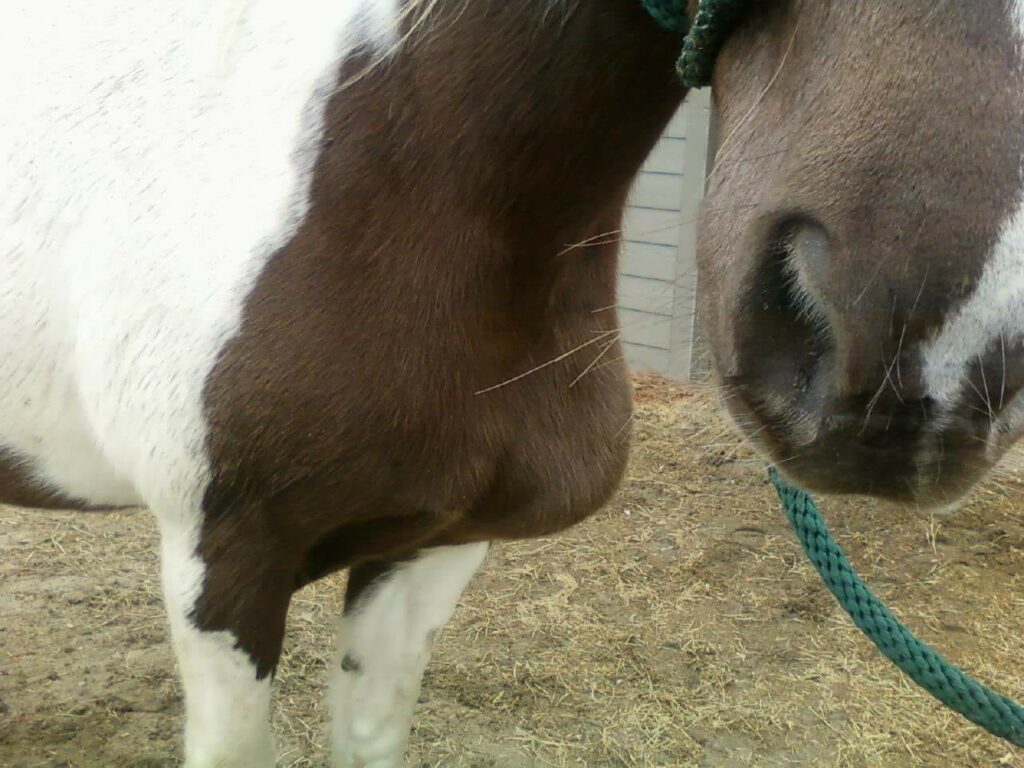
- External abscessation is the “classic form,” which often appears as a protruding abscess on the horse’s chest.
- Internal abscessation is more serious and difficult to detect because it does not produce obvious external signs. This form of the disease can affect the horse’s liver and lungs.
- Ulcerative lymphangitis affects the horse’s limbs and can cause significant swelling and lameness.
Across all forms, Machtinger said, horses can present with fever, lethargy, and reduced appetite.
Biosecurity Practices
“For biosecurity, you’re really focusing on two things,” said Machtinger. “You want to contain that infectious material, and you want to reduce fly exposure.” That involves isolating affected horses, managing draining, not sharing equipment, maintaining good hygiene, and focusing on fly control.
“During these outbreaks, fly control is not really optional,” she said. She advocated for using fly spray, removing manure, eliminating breeding sites, using barriers like fly sheets and masks, and using environmental tools like fans and traps.
Treatment for Pigeon Fever
For horses with external abscessation, treatment involves letting the abscesses mature, then draining them and providing supportive care. These horses might not require antibiotics, and they typically recover in a couple of weeks.
Horses with internal disease or limb involvement usually require long-term antibiotics. These presentations have a more guarded prognosis and longer recovery times, with some horses never making a successful recovery. “Early recognition is really what makes the difference here, especially for those internal diseases,” Machtinger said.
Final Thoughts
In closing, Machtinger urged veterinarians to work closely with entomologists to manage disease outbreaks. “It’s not just about the horse, which is what the vets excel at, but it’s also about the environment and the arthropods, which is what the entomologists excel at,” she said. “It’s important to have really good fly management strategies, and that’s going to go beyond sometimes what vets have training for.”
She encouraged listeners to reach out to their state’s extension if they have a patient with pigeon fever.
About Dr. Erika Machtinger
Erika Machtinger, PhD, CWB®, is an associate professor of entomology and extension vector-borne disease team lead at Pennsylvania State University’s College of Agricultural Sciences. Her research focuses on filth fly control in livestock, poultry, and equine facilities; transmission of zoonotic disease via arthropod vectors; and integrated tick management. Her work is an interdisciplinary combination of population and chemical ecology, behavior studies, parasitoid-host interactions, biological control, molecular biology, toxicology, and wildlife biology. She believes integrated research is necessary to develop novel control methods for disease-spreading insects and agricultural pests as health risks increase from population growth, climate change, and increased pesticide resistance.
Related Reading
- The Future of Equine Infectious Diseases in a Changing Climate
- Is West Nile Virus Still Relevant in Equine Practice?
- A Refresher on Protecting Horses Against Arboviruses
Stay in the know! Sign up for EquiManagement’s FREE weekly newsletters to get the latest equine research, disease alerts, and vet practice updates delivered straight to your inbox.