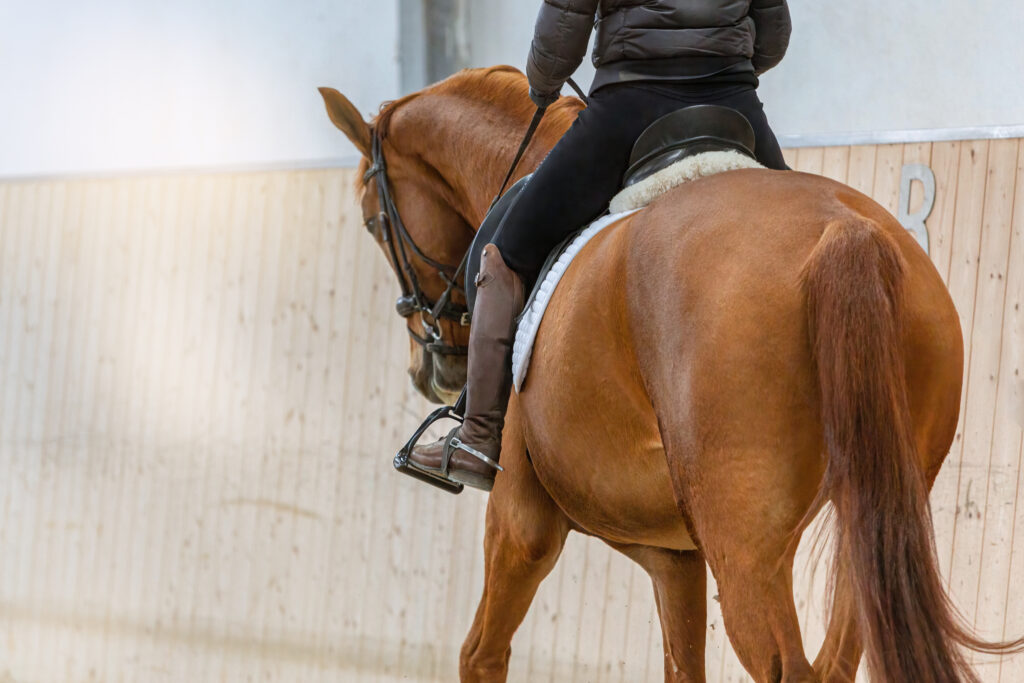
Performance complaints in sport horses don’t always trace back to lameness or central nervous system problems. In this episode of the Daily Vet Life podcast, Sarah Colmer, VMD, DACVIM, large animal internist and neurology fellow at the University of Pennsylvania School of Veterinary Medicine’s New Bolton Center, discussed a case that highlights the importance of considering muscle disorders like myofibrillar myopathy (MFM) in horses with vague, frustrating performance issues.
A Resentful, Uncomfortable Horse
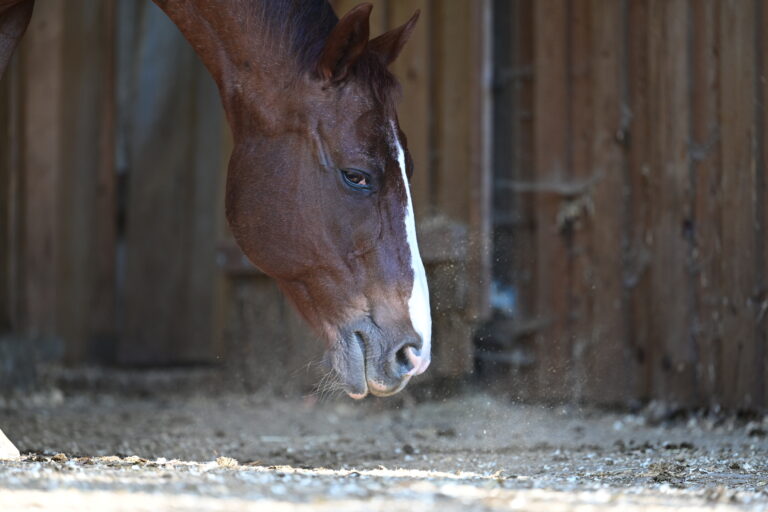
The case involved a 10-year-old warmblood gelding that suddenly became reluctant to move forward off the rider’s leg. He grew anxious when asked to collect or extend at the canter, balked under saddle, and demonstrated shifting, low-grade lameness that failed to localize with diagnostic anesthesia. He wasn’t clearly ataxic, and repeated workups for orthopedic and neurologic causes yielded few answers.
On exam, however, the gelding appeared uncomfortable and resentful when longed, particularly at the canter. He was also poorly muscled and slightly overconditioned (body condition score 7/9). After ruling out other sources of pain, including gastric ulcers and saddle fit, Colmer’s suspicions turned toward a muscle disorder, specifically MFM.
Diagnosing Myofibrillar Myopathy
MFM—once grouped under PSSM type 2—has been more clearly characterized in recent years through the work of Stephanie Valberg, DVM, PhD, DACVIM, ACVSMR. The condition involves abnormal aggregation of desmin, a structural protein essential for organizing muscle fibers. This microscopic disruption can manifest as vague poor performance, anxiety under saddle, and unblockable lameness.
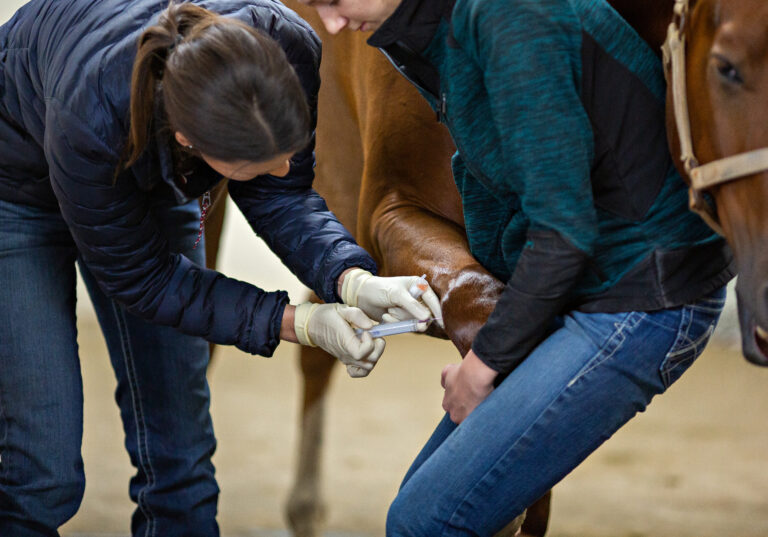
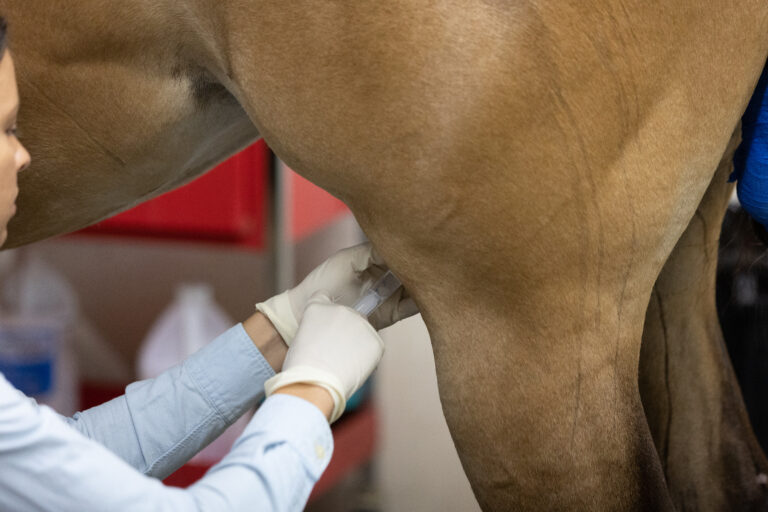
Unlike some other myopathies, MFM does not have a genetic test. Diagnosis requires a muscle biopsy, which Colmer said her team performs standing using a Bergström technique to collect a small core of tissue from the middle gluteal muscle. The procedure is minimally invasive, well-tolerated by the horse, and generally requires only a day or two off before returning to work. Specialized staining at Valberg’s laboratory confirmed the presence of desmin aggregation in this warmblood.
Management: Diet and Exercise Changes
Although MFM cannot be cured, it can often be managed successfully. Dietary adjustments focus on supplementing specific amino acids, adding antioxidants like vitamin E and coenzyme Q10, optimizing protein intake, and feeding hay a nonstructural carbohydrate content of around 15%. Colmer strongly recommends owners of affected horses work with an equine nutritionist.
Exercise management is equally important. Unlike horses with polysaccharide storage myopathy (PSSM1), which benefit from consistent daily work, many MFM horses improve with scheduled rest—often a “three days on, two days off” pattern, said Colmer. Long, low warm-ups and gradual engagement before collection can reduce these horses’ anxiety and discomfort. Core strengthening and improved overall fitness also play key roles.
In this gelding’s case, clinical improvement was evident within the typical time frame of four weeks. Approximately 70% of warmbloods in the literature have shown improvement with appropriate management, said Colmer.
Take-Home Message
When training issues or resistance under saddle seem unexplained, veterinarians and owners alike should keep muscle disorders like MFM on their differential list, especially in predisposed breeds and ages (horses start showing signs of MFM around 8-10 years). Identifying and managing an underlying myopathy can dramatically improve both performance and quality of life.
Listen to this episode of Daily Vet Life in its entirety to learn how Colmer worked through this case and what advice she gives veterinarians and owners managing similar cases.
About Dr. Sarah Colmer
Sarah Colmer, VMD, DACVIM, is a large animal internist and neurology fellow at the University of Pennsylvania School of Veterinary Medicine’s New Bolton Center, in Kennett Square. She completed her residency in large animal internal medicine at New Bolton Center, as well as a rotating internship in medicine and surgery. She has research interests in neurologic conditions of the horse, particularly degenerative diseases.
Related Reading
- Tying Up Loose Ends: Equine Myopathies
- Diagnosing Performance-Limiting Muscle Diseases in Horses
- Demystifying Equine Muscle Disease
Stay in the know! Sign up for EquiManagement’s FREE weekly newsletters to get the latest equine research, disease alerts, and vet practice updates delivered straight to your inbox.